Air Duct Inspection (8 Steps & What Pros Look For)
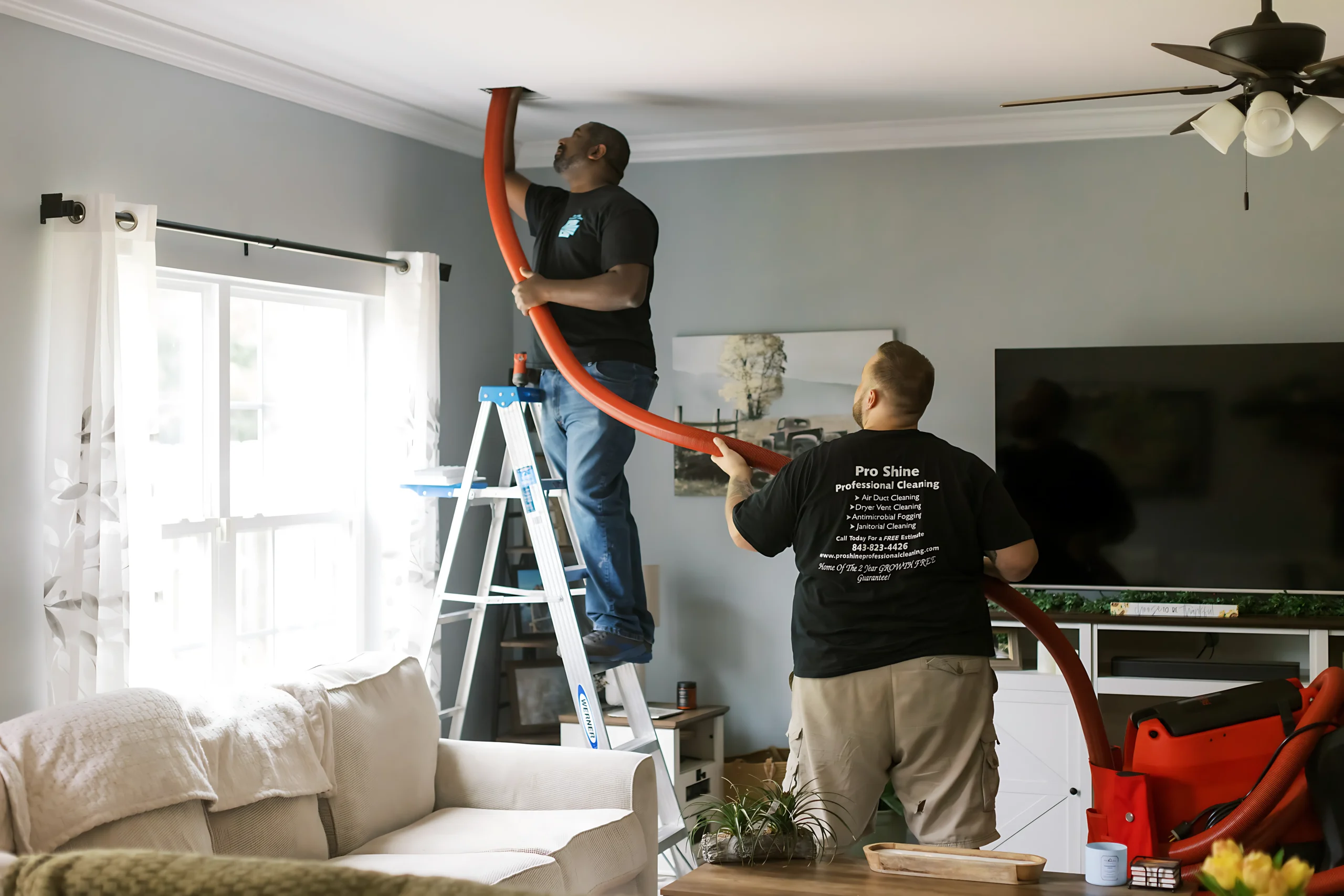
Maintaining healthy indoor air starts with understanding what is circulating through your ventilation system. A professional air duct inspection helps identify hidden dust buildup, airflow restrictions, and potential contaminants that may be affecting your home’s comfort and air quality. Many homeowners begin addressing these issues by exploring options for improving airflow and removing buildup from their ventilation system, which can support cleaner air and more efficient HVAC performance.
In this guide, you will learn:
- Why inspecting your air ducts is important for indoor air quality
- The key signs that indicate your ductwork should be checked
- The step by step process professionals follow during inspections
- What technicians look for when evaluating a home’s ventilation system

Why Air Duct Inspections Matter for Homeowners
Many homeowners rarely think about their air ducts, yet these hidden pathways circulate air through every room in the house. Over time, dust, allergens, debris, and even mold can accumulate inside ductwork. Without periodic inspections, these problems can continue unnoticed while affecting airflow and indoor air quality.
For homeowners in Beaufort and surrounding areas, humidity and coastal conditions can contribute to faster buildup within ventilation systems, making inspections even more valuable for maintaining a healthy home environment.
Here are several important reasons why air duct inspections play a crucial role in home maintenance.
- Improved Indoor Air Quality: Inspecting ductwork helps identify dust, allergens, and contaminants that may be circulating through your home’s air supply.
- Better HVAC Efficiency: When ducts are clean and unobstructed, heating and cooling systems operate more efficiently and distribute air evenly.
- Early Problem Detection: Inspections often uncover hidden issues such as loose connections, air leaks, or mold growth before they become larger problems.
- Energy Savings: Proper airflow reduces strain on HVAC equipment, which can lower energy consumption and extend the lifespan of the system.
- Healthier Living Environment: Reducing airborne debris inside ventilation systems helps minimize allergens and irritants that may trigger respiratory symptoms.
By making air duct inspections part of regular home maintenance, homeowners can protect both their property and their indoor air quality.
8 Steps Professionals Follow During an Air Duct Inspection
A professional air duct inspection involves much more than a quick visual check of vents. Experienced technicians follow a systematic process to evaluate the entire ventilation network, identify potential problems, and determine whether cleaning or repairs are needed.
Below are the eight key steps professionals typically follow during an inspection.
1. Initial System Assessment
The inspection usually begins with a general assessment of the HVAC system and visible ductwork components. This step allows technicians to understand how the system is configured and identify obvious signs of damage or airflow issues.
Technicians often check:
- The condition of supply and return vents
- The location of duct runs and connections
- Any visible dust buildup near registers
This first step provides valuable context before the deeper inspection begins.
2. Vent and Register Examination
Supply vents and return registers provide important clues about what may be happening inside the duct system.
Professionals examine these openings for signs of dust accumulation, debris buildup, or airflow obstruction.
Key things technicians look for include:
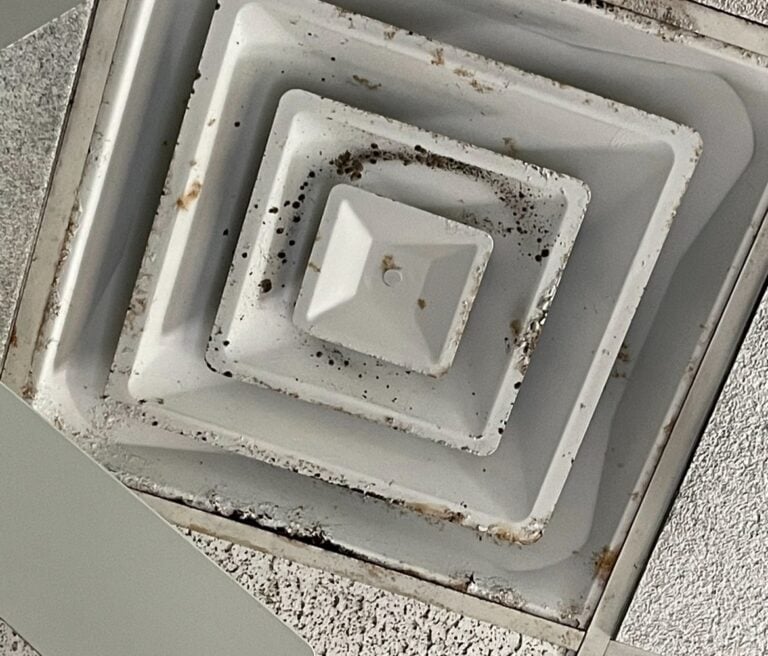
- Dark dust rings around vent openings
- Blocked or partially closed registers
- Debris buildup inside vent covers
These visible indicators often suggest that deeper duct inspection is necessary.
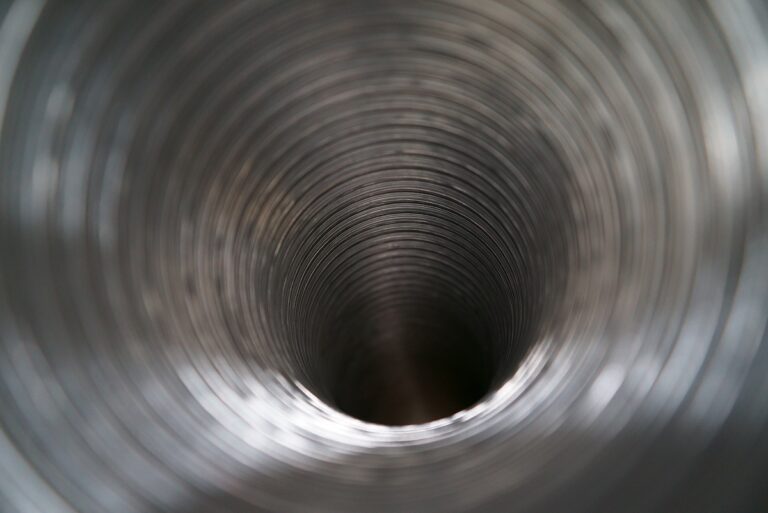
3. Interior Duct Camera Inspection
One of the most important tools used during professional inspections is a small inspection camera.
Technicians insert specialized cameras into ductwork to observe the interior condition of the ventilation system. This allows them to identify problems that would otherwise remain hidden.
Camera inspections help reveal:
- Dust or debris buildup
- Mold growth inside ducts
- Pest nesting materials
- Damaged duct linings
This step gives homeowners a clear view of what is happening inside their ventilation system.
4. Airflow Testing
Proper airflow is essential for efficient heating and cooling. During the inspection process, professionals evaluate how air is moving through the duct system.
Restricted airflow can indicate blockages, collapsed ducts, or leaks that are preventing air from circulating effectively.
Technicians may look for:
- Uneven airflow between rooms
- Weak airflow from certain vents
- Signs of pressure imbalance
Homes in Beaufort and surrounding areas sometimes experience airflow challenges due to humidity related buildup or duct deterioration over time.

5. Checking for Air Leaks
Air leaks are one of the most common problems found during air duct inspections. Even small gaps in duct connections can allow conditioned air to escape before it reaches living spaces.
During this step, technicians inspect:
- Duct seams and joints
- Flexible duct connections
- Areas where ducts pass through walls or ceilings
Sealing leaks can significantly improve system efficiency and indoor comfort.
6. Evaluating Moisture and Mold Risks
Moisture inside ductwork can create ideal conditions for mold growth. Because ventilation systems distribute air throughout the home, mold inside ducts can quickly affect indoor air quality.
Technicians check for warning signs such as:
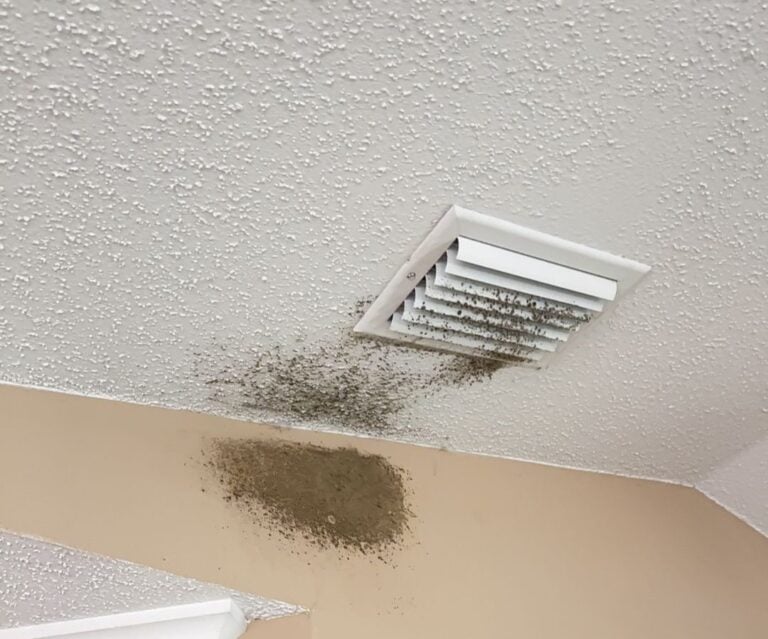
- Visible mold or mildew growth
- Condensation inside ducts
- Damp insulation around ductwork
In humid environments like Beaufort and surrounding areas, moisture related issues may be more common, making this step particularly important.
7. Inspecting the HVAC Components
Air ducts work together with HVAC equipment, so inspections often include key system components such as the blower motor and air handler.
Technicians may examine:
- The condition of the blower compartment
- Dust buildup on system components
- The air filter and filter housing
These areas can influence how contaminants move through the ventilation system.
8. Providing Findings and Recommendations
Once the inspection is complete, professionals review their findings with the homeowner.
This final step often includes recommendations such as:
- Air duct cleaning
- Sealing leaks in the duct system
- Improving airflow through system adjustments
- Addressing mold or moisture concerns
A detailed explanation helps homeowners understand the condition of their ventilation system and decide on the next steps.
Signs Your Home May Need an Air Duct Inspection
Even if your ductwork has never been inspected before, there are several warning signs that suggest it may be time to schedule an evaluation. Paying attention to these indicators can help prevent larger indoor air quality problems from developing.
Many homeowners only discover duct issues after symptoms become noticeable, but early detection makes it much easier to resolve problems.
Here are several signs that your home may benefit from a professional inspection.
- Visible Dust Around Vents: Excess dust collecting near registers may indicate buildup inside the duct system.
- Unexplained Allergy Symptoms: Poor indoor air quality caused by airborne debris can trigger respiratory irritation, coughing, or sneezing.
- Uneven Room Temperatures: Inconsistent heating or cooling can suggest airflow restrictions or duct leaks.
- Musty Odors from Vents: Persistent odors may signal mold growth or moisture inside the ventilation system.
- Higher Energy Bills: When airflow is restricted, HVAC systems must work harder to maintain comfortable temperatures.
For homeowners in Beaufort and surrounding areas, regular inspections can help ensure coastal humidity does not contribute to ventilation system problems over time.
What Professionals Look for During a Thorough Duct Evaluation
While homeowners may notice surface level signs of duct issues, trained technicians evaluate ventilation systems much more deeply. Their goal is to identify both immediate problems and long term risks that could impact air quality or system efficiency.
Understanding what professionals look for during inspections helps homeowners see the value of these services.
Structural Condition of Ductwork
Technicians evaluate whether ducts are properly connected, sealed, and supported throughout the home.
They look for problems such as:
- Crushed or collapsed flexible ducts
- Loose or disconnected duct joints
- Damaged insulation around duct runs
Structural issues can reduce airflow and allow contaminants to enter the system.
Contaminant Buildup
Another major focus of inspections is identifying dust, debris, and biological contaminants inside ducts.
Technicians assess the level of buildup and determine whether cleaning is necessary.
Common contaminants include:
- Household dust
- Pet dander
- Construction debris
- Mold spores
Identifying these materials early helps prevent them from circulating through the home.
Air Distribution Performance
Balanced airflow is essential for maintaining consistent indoor temperatures.
Professionals check whether air is being distributed evenly throughout the house. If certain rooms receive less airflow, adjustments or repairs may be recommended.
Moisture Entry Points
Moisture entering the duct system can lead to mold growth and insulation damage.
Technicians often check areas where ducts pass through humid spaces such as attics, crawl spaces, or basements. Addressing these vulnerabilities helps prevent future air quality problems.

How Often Should Air Duct Inspections Be Scheduled?
Air duct inspections are not typically needed every year, but scheduling them periodically can help maintain a healthy ventilation system.
Most HVAC professionals recommend inspections every three to five years, though certain conditions may require more frequent evaluations.
Factors that may increase the need for inspections include:
- Homes with pets that shed frequently
- Recent renovations or construction projects
- Allergy or respiratory concerns among occupants
- Older homes with aging duct systems
Homeowners in Beaufort and surrounding areas may also benefit from inspections after extended humid seasons, since moisture can sometimes affect ventilation systems.
Regular inspections help catch small problems early before they impact air quality or system performance.
Schedule Your Air Duct Inspection with Pro Shine Cleaning
Your home’s ventilation system works constantly to circulate air throughout every room. Over time, dust, debris, and moisture can build up inside ductwork, affecting airflow and indoor air quality. Scheduling a professional air duct inspection is an effective way to ensure your system is functioning properly and your home’s air remains clean and healthy.
If you suspect your ventilation system may need attention or simply want peace of mind about your indoor air quality, the experienced team at Pro Shine Cleaning is here to help. Their professionals carefully inspect duct systems to identify airflow issues, contamination, and hidden damage that could impact your home.
To learn more about improving your home’s ventilation system and indoor air quality, contact us today to schedule an inspection with Pro Shine Cleaning.
Clean Air Is Just A Call Away!