Condensation on AC Vent (Causes & How to Fix It)
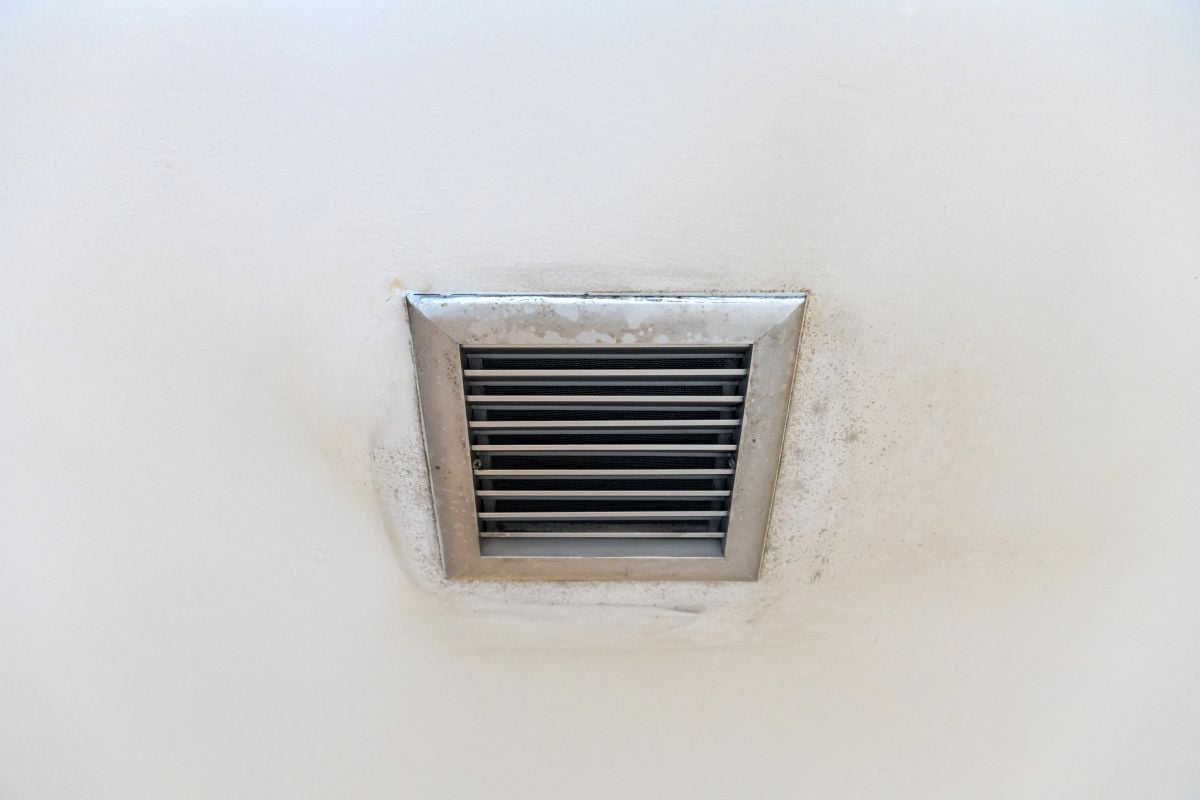
Noticing water droplets forming on your ceiling vents can be frustrating and even alarming. Condensation on AC vent surfaces is more than a cosmetic issue. It can signal airflow problems, high humidity, or hidden duct concerns that affect your comfort and indoor air quality. Homeowners in Hilton Head Island and surrounding areas often experience this during humid months. Addressing it early, along with routine HVAC system cleaning and maintenance, helps protect your home from moisture damage and mold growth.
In this guide, you will learn:
- Why condensation forms on AC vents
- The most common causes inside your home
- Practical steps to fix the issue
- When to call in professionals
- How to prevent it from returning
Why Condensation on AC Vents Should Never Be Ignored

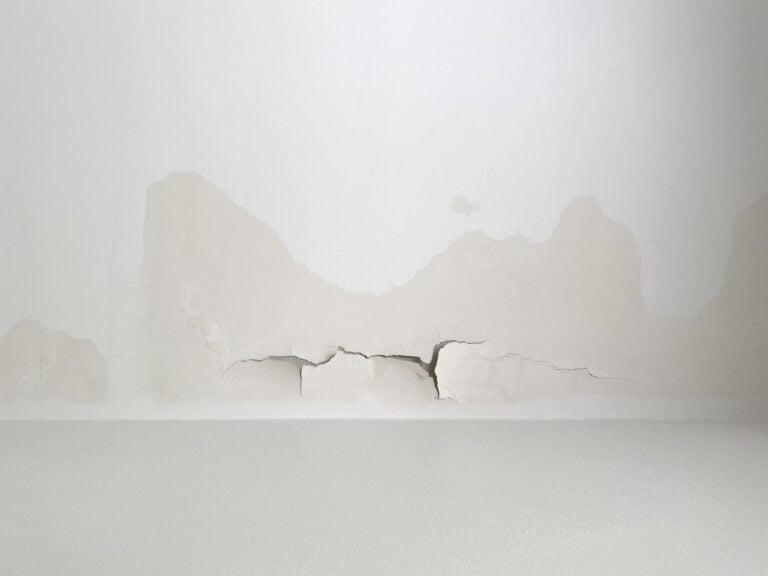
Moisture around air vents may seem minor at first, but it can quickly lead to larger problems. Water dripping from vents can stain ceilings, damage drywall, and create an environment where mold thrives. In humid coastal climates like Hilton Head Island and surrounding areas, the risk increases during the warmer seasons.
Understanding why this issue matters helps you take action before it escalates.
Here are several reasons homeowners should address vent condensation promptly:
- Protects Structural Materials: Ongoing moisture exposure can weaken drywall, insulation, and ceiling materials over time.
- Prevents Mold Growth: Damp surfaces provide the perfect environment for mold spores to grow and spread.
- Improves Indoor Air Quality: Eliminating excess moisture reduces allergens and airborne irritants.
- Supports HVAC Efficiency: Condensation often signals airflow or insulation problems that can reduce system performance.
- Preserves Home Value: Water damage stains and mold issues can impact resale value and buyer confidence.
By identifying the cause early, you can prevent small moisture spots from becoming major repair projects.
6 Common Causes of Condensation on AC Vents
Condensation forms when warm, humid air comes into contact with a cooler surface. Your AC vents can become that cool surface, especially when certain system or environmental conditions exist. Below are the most common causes homeowners encounter.
1. High Indoor Humidity Levels
When indoor humidity rises above recommended levels, moisture in the air collects on cooler surfaces such as metal or plastic vents. Coastal areas like Hilton Head Island and surrounding areas often experience elevated humidity, especially in summer.
Signs high humidity may be the cause include:
- Sticky or muggy indoor air
- Foggy windows
- Musty odors
- Visible moisture on multiple vents
If your home feels damp even when the air conditioner is running, humidity imbalance may be the root issue.
2. Poor Insulation Around Ductwork
Ductwork running through attics or crawl spaces should be properly insulated. When insulation is missing or deteriorated, warm attic air can contact the cool duct surface, leading to condensation that eventually appears at the vent.
Common insulation related issues include:
- Gaps in attic insulation
- Compressed or aging duct wrap
- Exposed metal ducts
Proper insulation creates a barrier that helps regulate temperature differences and reduce moisture formation.
3. Restricted Airflow
Airflow problems prevent your HVAC system from circulating air efficiently. When airflow slows, vents can become excessively cold, increasing the likelihood of condensation forming when humid air touches them.
Airflow restrictions may be caused by:
- Dirty air filters
- Blocked return vents
- Closed interior doors affecting circulation
- Dust buildup inside ductwork
Regular maintenance and filter changes are simple yet effective ways to address this cause.
4. Leaky Ducts
Air leaks in ductwork allow warm, humid air to enter the system. When this warm air meets the cool interior surfaces, condensation forms. Over time, this can create moisture problems around vents and inside ceilings.
Indicators of leaky ducts may include:
- Uneven cooling between rooms
- Higher energy bills
- Whistling or rattling noises
- Dust accumulation near vents
Sealing ducts improves both comfort and efficiency.
5. Extremely Cold Supply Air
If your air conditioning system is set too low or functioning improperly, it may produce air that is significantly colder than necessary. When that very cold air hits warm, humid air in the room, condensation develops on the vent cover.
This may happen if:
- The thermostat is set much lower than outdoor temperatures
- The system is oversized for the home
- There is a malfunctioning thermostat sensor
Adjusting temperature settings to a moderate level can often reduce the problem.
6. Dirty or Clogged Vents
Dust and debris buildup on vent covers can trap moisture. When humid air contacts these particles, water collects more easily.
A buildup of dirt may:
- Reduce airflow
- Contribute to odors
- Create damp patches around vent openings
Professional cleaning ensures vents remain clear and functional.
How to Fix Condensation on AC Vents

Once you identify the likely cause, you can take practical steps to resolve the issue. Some solutions are simple homeowner tasks, while others may require professional support.
Start by monitoring when condensation appears. Does it occur only during certain times of day or after heavy rainfall? Observing patterns can help narrow down the cause.
Here are common solutions homeowners can implement:
Adjust Indoor Humidity Levels
Use a dehumidifier during peak humidity seasons. Aim to keep indoor humidity between 30 and 50 percent. Running bathroom and kitchen exhaust fans also helps remove excess moisture from the air.
In humid climates like Hilton Head Island and surrounding areas, investing in whole home humidity control can make a noticeable difference.
Replace or Clean Air Filters
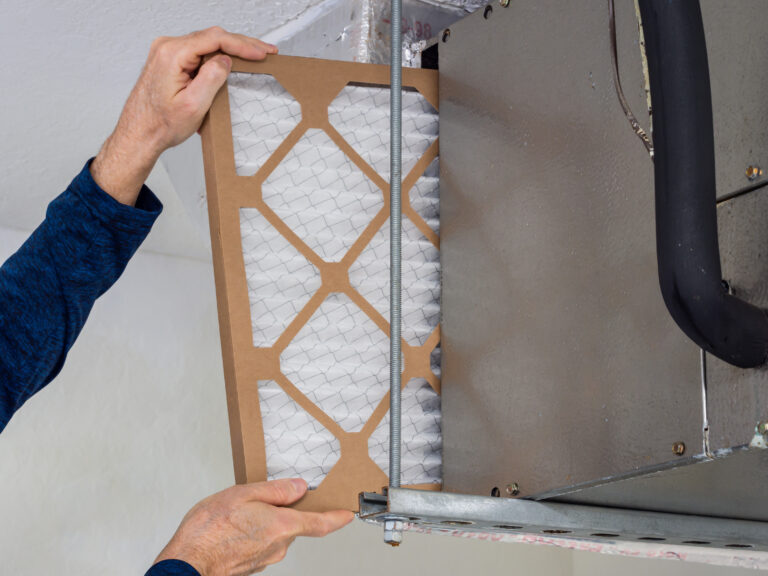
Dirty filters restrict airflow and strain your HVAC system. Replace filters every one to three months depending on usage and home conditions.
This simple maintenance step:
- Improves airflow
- Enhances energy efficiency
- Reduces strain on components
Improve Duct Insulation
If attic ductwork lacks proper insulation, consider adding or replacing duct wrap. This prevents warm attic air from contacting cool duct surfaces.
Professional inspection can confirm whether insulation levels meet current standards.
Seal Air Leaks
Have duct joints sealed with mastic or metal tape to prevent warm air infiltration. This improves system efficiency while reducing condensation risk.
Professional sealing often pays for itself through improved energy performance.
Moderate Thermostat Settings
Avoid drastic temperature differences between indoor and outdoor environments. Setting your thermostat at a reasonable level reduces surface temperature contrast and minimizes moisture formation.
Consistency is key for both comfort and moisture control.
Preventing Future Moisture Problems
Addressing condensation once is helpful, but prevention ensures long term protection. A proactive maintenance plan reduces the likelihood of recurrence.
Below are preventative strategies to consider:
- Schedule Routine HVAC Maintenance: Regular inspections catch airflow or insulation issues early.
- Clean Air Ducts Periodically: Removing dust buildup improves airflow and reduces debris that traps moisture.
- Monitor Indoor Humidity: Use a hygrometer to track moisture levels throughout the year.
- Check Attic Ventilation: Proper attic airflow helps regulate temperature differences.
- Inspect Ceiling Areas Regularly: Early detection of moisture spots prevents major repairs.
Consistent maintenance provides peace of mind and protects your investment.
When to Call a Professional
Some condensation issues resolve with simple adjustments. Others require expert evaluation. If moisture continues despite filter changes and humidity control, professional assistance may be necessary.
Consider calling a specialist if you notice:
- Persistent dripping from vents
- Mold growth around ceiling registers
- Sagging drywall
- Musty smells throughout the home
- Rapid recurrence after cleaning
Professional cleaning and inspection services address hidden buildup inside ductwork that homeowners cannot easily reach. In areas like Hilton Head Island and surrounding areas, high humidity combined with salt air can contribute to buildup that requires thorough cleaning techniques.
Experienced technicians evaluate insulation, airflow balance, and duct condition to provide a complete solution rather than a temporary fix.
Long Term Benefits of Addressing Vent Condensation

Taking action not only eliminates visible moisture but also improves overall home comfort and safety.
Homeowners who resolve condensation issues often experience:
- More consistent indoor temperatures
- Lower energy bills due to improved airflow
- Reduced allergy symptoms
- Cleaner, fresher indoor air
- Increased confidence in HVAC system performance
Moisture problems rarely resolve on their own. Addressing them promptly prevents escalation into structural repairs or mold remediation.
Protect Your Home From Moisture Damage
Condensation on AC vents is a clear signal that something in your home’s airflow or humidity balance needs attention. Ignoring it can lead to ceiling damage, mold growth, and unnecessary repair costs. With proper maintenance, humidity control, and professional support when needed, you can protect your home and maintain a healthy indoor environment.
If you are experiencing ongoing moisture issues in Hilton Head Island and surrounding areas, Pro Shine Cleaning is ready to help. Contact us today through our contact page to schedule an inspection and learn how Pro Shine Cleaning can restore comfort and cleanliness to your home.

Clean Air Is Just A Call Away!