Disinfectant Fogging: 7 Benefits for HVAC & Air Quality
Maintaining a clean and healthy indoor environment is more important than ever. One effective solution gaining popularity in commercial spaces is disinfectant fogging. This technique not only targets hard-to-reach areas but also enhances air quality and supports HVAC system performance. If your business prioritizes cleanliness and safety, understanding the advantages of disinfectant fogging can help you make informed decisions to protect your employees and clients alike. For comprehensive commercial cleaning strategies tailored to your facility, exploring professional services can offer peace of mind and thorough results.
- Discover why disinfectant fogging matters for commercial air quality and HVAC systems.
- Learn the top 7 benefits of using disinfectant fogging in your facility.
- Understand the process and how it complements regular cleaning routines.
- Explore additional tips to maintain optimal indoor air quality after fogging.
- Find out how to choose the right service provider for your disinfectant fogging needs.
Why Disinfectant Fogging is Essential for Indoor Air Quality

Disinfectant fogging has become a vital tool in modern commercial cleaning because it plays a significant role in improving the quality of indoor air and maintaining HVAC systems. Contaminants, allergens, and microorganisms can accumulate and circulate, affecting health and comfort. Using disinfectant fogging is a proactive approach that addresses these problems effectively.
- Enhanced Pathogen Elimination: Traditional cleaning can miss airborne or hidden pathogens. Fogging delivers disinfectant in fine particles that reach all surfaces and airspaces.
- Improved HVAC Performance: Fogging disinfects ducts and components, reducing buildup that hampers airflow and efficiency.
- Reduction of Allergens and Irritants: Small particles such as mold spores and dust mites are neutralized, easing allergies and respiratory discomfort.
- Extended Equipment Lifespan: Keeping HVAC systems free of biological deposits reduces wear and tear, saving on costly repairs.
- Safer, Healthier Environments: Cleaner air contributes to better health outcomes, reducing sick days and boosting productivity.
7 Key Benefits of Disinfectant Fogging for HVAC Systems and Air Quality
Understanding specific advantages helps businesses appreciate why disinfectant fogging is worth incorporating into their maintenance routines. Here are seven key benefits this technology brings to HVAC and air quality management.
1. Comprehensive Coverage
Disinfectant fogging produces ultra-fine mist that penetrates every nook and cranny of spaces and equipment, including vents, ductwork, and high-touch surfaces.
- Reaches areas conventional cleaning can miss.
- Disinfects irregular surfaces and complex HVAC components efficiently.
2. Rapid Application and Drying Time
The fogging process is fast, allowing businesses to resume normal operations quickly without long disruptions.
- Fog particles evaporate quickly, reducing downtime.
- Ideal for high-traffic commercial environments requiring minimal interruption.
3. Effective Against a Wide Range of Microorganisms
The disinfectants used in fogging are proven to kill bacteria, viruses, fungi, and mold, providing broad-spectrum protection.
- Supports disease prevention by targeting infectious agents.
- Mitigates mold growth inside HVAC systems, a major source of indoor allergens.
4. Enhances HVAC System Efficiency
Cleaner ducts and components improve airflow, reducing strain on HVAC units and lowering energy consumption.
- Helps maintain consistent temperatures across your facility.
- Reduces maintenance costs related to clogged or contaminated air handlers.
5. Promotes Healthier Indoor Air Quality
By reducing microbial presence and allergens, the overall indoor air quality improves, which benefits employee comfort and visitor experience.
- Decreases risk of respiratory issues for sensitive individuals.
- Enhances occupant satisfaction indoors.
6. Environmentally Responsible Solution
Many fogging disinfectants are EPA-approved and biodegradable, minimizing environmental impact while maximizing sanitation.
- Leaves no harmful residues.
- Safe for use in sensitive environments such as healthcare or food services.
7. Complements Routine Cleaning Procedures
Fogging acts as an excellent adjunct to manual cleaning, ensuring a more thorough sanitation that manual labor alone cannot guarantee.
- Integrates smoothly with existing cleaning schedules.
- Extends the effectiveness and lifespan of routine sanitation efforts.
How Disinfectant Fogging Works: The Process Explained

The process of disinfectant fogging is designed to maximize sanitation with efficiency and safety in mind. Below are the essential steps involved in a typical fogging service, helping you understand what happens during treatment.
Step 1: Initial Assessment
A professional cleaning technician evaluates the facility and HVAC system to determine the scope and select appropriate disinfectants.
Step 2: Preparation
Spaces are cleared or protected as necessary, HVAC units may be shut down temporarily, and equipment is set up.
Step 3: Fogging Application
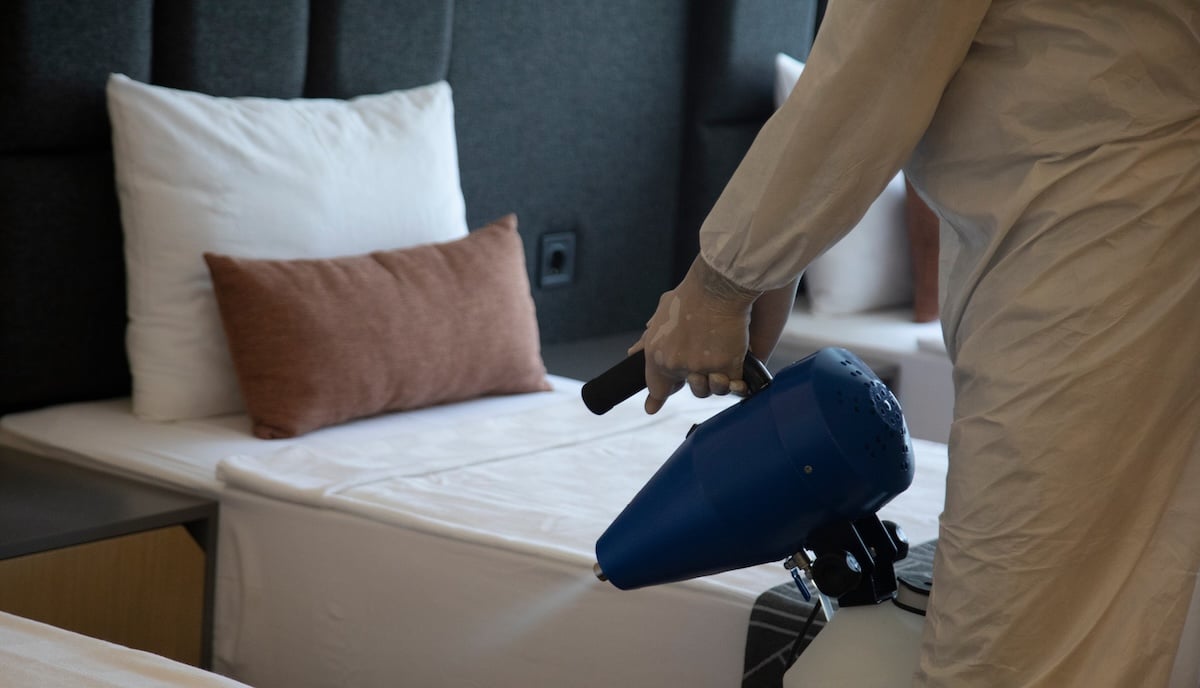
Specialized fogging machines disperse a fine mist of disinfectant that envelopes all targeted surfaces and air pathways.
Step 4: Dwell Time and Evaporation
The disinfectant stays on surfaces for a prescribed period to neutralize pathogens before evaporating safely.
Step 5: Final Inspection and Restart
The area is inspected to ensure complete coverage, and HVAC systems are restarted to circulate fresh, clean air.
Additional Tips to Maximize Indoor Air Quality After Fogging
Disinfectant fogging is a powerful method, but maintaining indoor air quality requires ongoing attention. The following practices complement fogging and help sustain a healthy environment over time.
- Regular HVAC Filter Replacement: Change filters frequently to trap particulates effectively.
- Ensure Proper Ventilation: Use exhaust fans and open windows where possible to improve air exchange.
- Control Humidity: Maintain balanced humidity levels to discourage mold and dust mite proliferation.
- Schedule Routine Fogging: Establish a regular fogging schedule based on usage intensity and seasonality.
- Monitor Air Quality: Use indoor air quality monitors to detect and address issues promptly.
Choosing the Right Disinfectant Fogging Service Provider
Selecting a reputable service provider ensures the fogging process is performed safely, efficiently, and in compliance with health standards. Here are key factors to consider when choosing a commercial disinfectant fogging company.
Experience and Expertise
Look for providers with extensive experience in commercial environments and knowledge of HVAC systems.
Compliance and Certifications
Verify that they use EPA-approved disinfectants and follow industry guidelines for safety and effectiveness.
Customized Services
A provider who assesses your facility and tailors the fogging plan to your specific needs will yield better results.
Transparent Pricing and Scheduling
Clear, upfront pricing and flexible scheduling options help minimize business disruption.
Positive Reviews and References
Check customer testimonials and references from similar businesses to gauge reliability.

Making Indoor Air Quality a Priority with Pro Shine
Disinfectant fogging offers a powerful way to elevate your facility’s sanitation standards while supporting HVAC system performance and healthier indoor air. As commercial spaces in locations like Orlando and surrounding areas continue to face challenges from airborne contaminants, this innovative solution becomes an essential part of comprehensive cleaning. Taking steps to integrate fogging with your routine maintenance helps protect everyone who enters your building.
Partnering with a trusted commercial cleaning provider can streamline the process and ensure optimal outcomes. To learn more about how Pro Shine can support your disinfectant fogging needs and overall commercial cleaning strategy, contact us today. Ensuring cleaner air and a safer workspace is just a call or click away.

Clean Air Is Just A Call Away!