Do Air Purifiers Help With Allergies? 5 Spring Allergy Tips to Improve Home Air Quality
If you struggle with seasonal sneezing, itchy eyes, or constant congestion, you may be wondering: do air purifiers help with allergies? The answer can make a big difference in how comfortable your home feels, especially during peak allergy season. Many homeowners in Savannah and surrounding areas are turning to solutions that improve indoor air, like those explained in this guide on improving your indoor air quality, to reduce allergens and breathe easier.
In this guide, you’ll learn:
- How air purifiers actually work
- What allergens they can remove
- When they are most effective
- Additional ways to improve your home’s air quality

Why Air Quality Matters for Allergy Relief
Indoor air quality plays a bigger role in your health than many people realize. While outdoor pollen gets most of the blame, a significant amount of allergens actually builds up inside your home. Dust, pet dander, mold spores, and even bacteria can circulate through your HVAC system, making symptoms worse over time.
For homeowners in Savannah and surrounding areas, humidity and seasonal pollen can make indoor air even more challenging to manage. Without proper filtration and circulation, allergens settle into carpets, furniture, and ductwork, continuously re-entering the air you breathe.
Improving your indoor air quality can lead to:
- Reduced allergy symptoms: Fewer airborne irritants mean less sneezing, coughing, and congestion
- Better sleep quality: Cleaner air helps you breathe easier at night
- Improved respiratory health: Especially important for asthma or sensitive lungs
- Cleaner living spaces: Less dust accumulation throughout your home
Air purifiers are one tool that can help address these issues, but understanding how they work is key to getting real results.
5 Ways Air Purifiers Help Reduce Allergies at Home
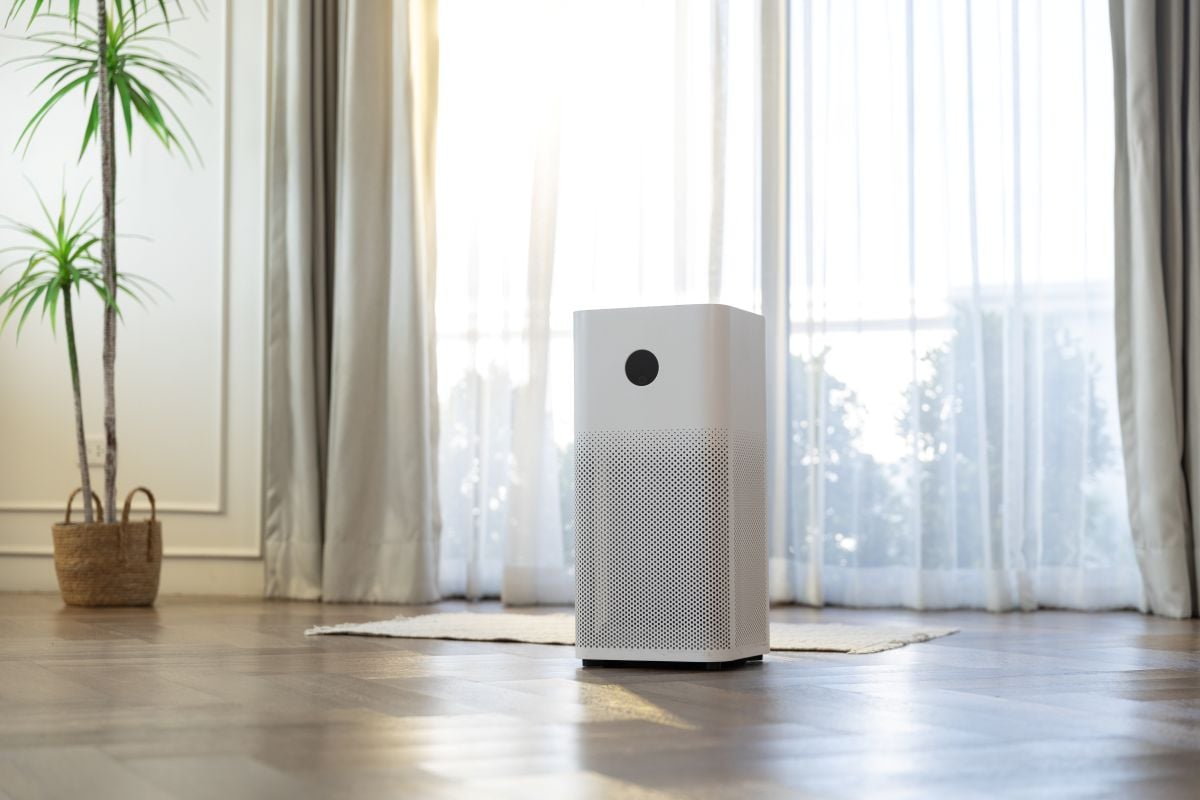
Air purifiers are designed to capture and remove airborne particles, but their effectiveness depends on how they are used and what type of system you have. Here are the main ways they help reduce allergens inside your home.
1. Capturing Airborne Allergens
Air purifiers use filters, often HEPA filters, to trap tiny particles floating in the air. These include common allergy triggers like pollen, dust mites, and pet dander.
Once captured, these particles are removed from circulation, which can significantly reduce exposure over time.
Additional benefits include:
- Helps prevent allergens from settling on surfaces
- Reduces the amount of dust circulating in your home
- Supports overall cleaner indoor air
2. Removing Pet Dander and Hair Particles
If you have pets, you know how quickly dander can spread throughout your home. Even if you clean regularly, microscopic particles can remain airborne and trigger allergy symptoms.
Air purifiers continuously pull in air and filter out these particles, making them especially helpful for pet owners.
Key advantages:
- Reduces airborne pet allergens
- Helps minimize lingering odors
- Improves comfort for guests with sensitivities
3. Filtering Mold Spores and Bacteria
Moist environments like Savannah and surrounding areas can increase the risk of mold growth. Mold spores are a major allergen and can easily become airborne.
Air purifiers with high-quality filtration systems can help capture these spores before they spread throughout your home.
They also help with:
- Reducing airborne bacteria
- Supporting a healthier indoor environment
- Preventing contaminants from recirculating
4. Improving Overall Air Circulation
Many air purifiers do more than just filter particles. They also improve airflow, which helps prevent stagnant air where allergens can accumulate.
Better circulation means cleaner air is consistently moving throughout your space, rather than allowing contaminants to linger.
This leads to:
- More consistent air quality
- Reduced buildup of indoor pollutants
- A fresher, more comfortable environment
5. Supporting HVAC System Efficiency
Air purifiers can work alongside your HVAC system to enhance its performance. By reducing the number of airborne particles, they help prevent buildup within your ductwork and filters.
This not only improves air quality but can also support system efficiency over time.
Additional benefits include:
- Less strain on your HVAC system
- Improved airflow throughout your home
- Longer lifespan for filters and components

What Air Purifiers Can and Cannot Do
While air purifiers can be highly effective, it is important to understand their limitations. They are not a complete solution on their own, but rather one part of a broader approach to improving indoor air quality.
What Air Purifiers Do Well
Air purifiers excel at removing airborne particles. When properly sized and maintained, they can significantly reduce the presence of allergens in your home.
They are especially effective for:
- Dust and pollen
- Pet dander
- Smoke particles
- Certain bacteria and mold spores
What They Cannot Fully Address
Air purifiers cannot eliminate allergens that have already settled into surfaces like carpets, upholstery, and ductwork. These areas can continue to release particles back into the air over time.
Limitations include:
- Do not clean air ducts or HVAC components
- Cannot remove deeply embedded dust
- Limited impact on humidity levels
- Require regular maintenance to remain effective
Why a Whole-Home Approach Matters
To truly reduce allergy symptoms, it is important to combine air purification with other strategies. This may include cleaning, proper ventilation, and addressing hidden sources of contamination.
For many homeowners in Savannah and surrounding areas, combining solutions leads to the best results.
Additional Ways to Improve Indoor Air Quality
Air purifiers are a great start, but pairing them with other strategies can make a noticeable difference in your home’s air quality.
Keep Your HVAC System Clean
Your HVAC system plays a major role in circulating air throughout your home. If it is not properly maintained, it can spread dust, allergens, and debris.
Regular maintenance helps:
- Improve airflow
- Reduce buildup inside ductwork
- Support cleaner air circulation
Use High-Quality Filters
Not all air filters are created equal. Upgrading to higher-efficiency filters can help capture smaller particles and improve overall air quality.
Consider:
- Replacing filters regularly
- Choosing filters designed for allergen control
- Ensuring proper fit for maximum effectiveness
Control Indoor Humidity
Humidity levels can impact the presence of allergens like mold and dust mites. Keeping humidity balanced helps create a less favorable environment for these triggers.
Helpful tips include:
- Use dehumidifiers when needed
- Monitor humidity levels regularly
- Address moisture issues promptly
Clean and Vacuum Regularly
Routine cleaning helps remove allergens before they become airborne again.
Focus on:
- Vacuuming carpets and rugs
- Dusting surfaces frequently
- Washing bedding and curtains
Address Hidden Sources of Contamination
Some allergens originate in areas that are not immediately visible, such as inside ductwork or behind vents.
Identifying and addressing these sources can significantly improve air quality and reduce allergy symptoms.
Choosing the Right Air Purifier for Your Home
Not all air purifiers are the same, and selecting the right one can make a big difference in your results.
Consider Room Size
Air purifiers are designed for specific coverage areas. Choosing one that matches your space ensures it can effectively filter the air.
Look for HEPA Filtration
HEPA filters are widely recognized for their ability to capture very small particles, making them ideal for allergy relief.
Evaluate Maintenance Needs
Regular filter replacement is essential for performance. Consider how often filters need to be changed and the associated cost.
Compare Portable vs Whole-Home Systems
Portable units can be effective for individual rooms, while whole-home systems integrate with your HVAC system for broader coverage.
Each option has its benefits depending on your needs and home layout.

Take Control of Allergies with Cleaner Indoor Air
Managing allergies starts with understanding the air you breathe every day. Air purifiers can play an important role in reducing airborne allergens, but the best results come from a comprehensive approach that includes proper maintenance, cleaning, and system care.
If you are ready to improve your indoor air quality and create a healthier home environment, Pro Shine Cleaning is here to help. Our team is committed to helping homeowners in Savannah and surrounding areas breathe easier with professional solutions tailored to your needs. Reach out and contact us today to get started.
Clean Air Is Just A Call Away!