
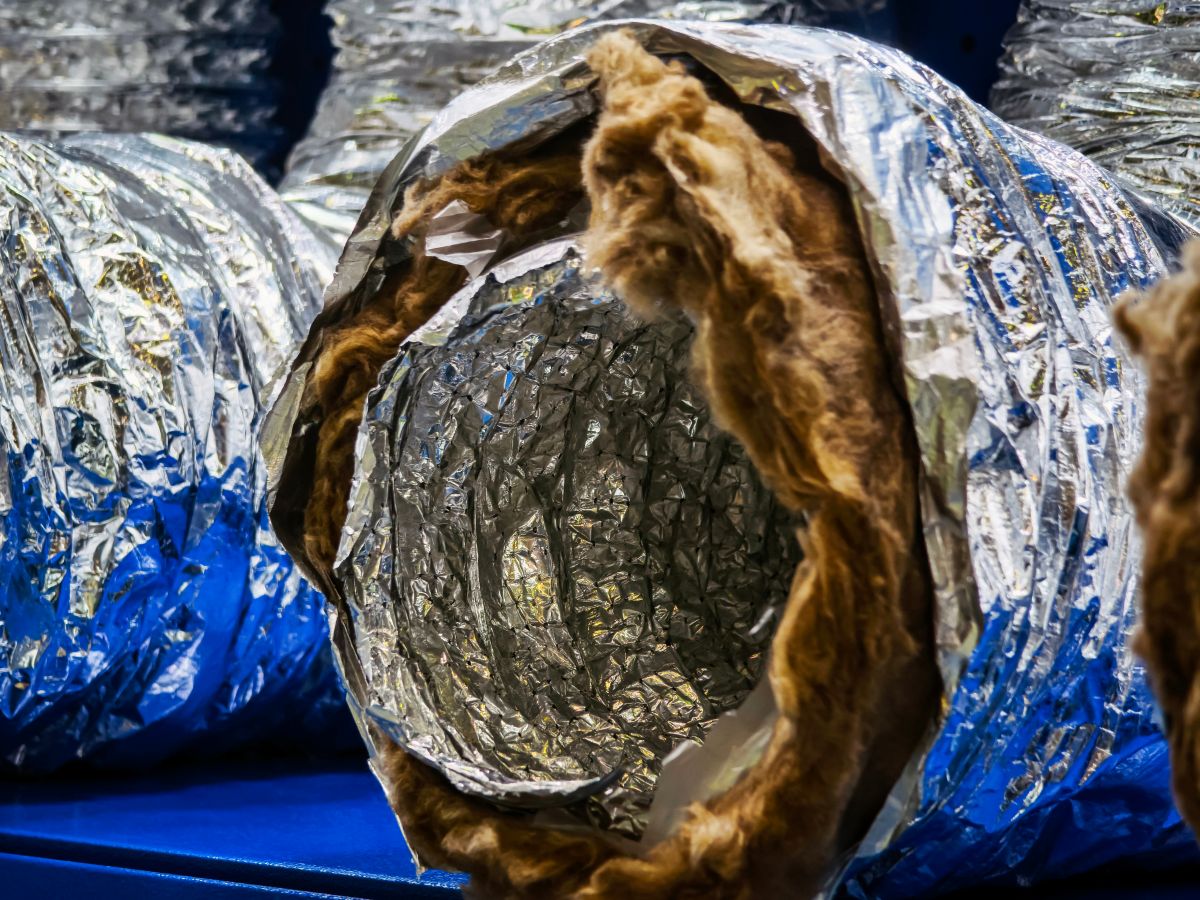
Duct Insulation Types: Which Is Best for Your Climate?
When it comes to maintaining an efficient heating and cooling system, understanding duct insulation types is crucial. Proper insulation not only improves energy efficiency but also enhances indoor air quality and comfort. If you’re looking to optimize your HVAC system, exploring options for air duct wrapping can be a great place to start. This guide will help you navigate the different duct insulation materials available and determine which one fits best for your specific climate.
- Overview: The importance of duct insulation and its impact on HVAC efficiency.
- Types: Detailed insights on common duct insulation materials.
- Climate Considerations: How to select insulation based on your local environment.
- Benefits: Energy savings, comfort improvements, and air quality enhancements.
Understanding the Importance of Duct Insulation

Heating and cooling systems rely heavily on the efficient transport of air through ductwork. Poorly insulated ducts can lead to significant energy loss, resulting in higher utility bills and less comfortable living spaces. Insulating ducts properly helps to maintain the temperature of the air as it moves through the system, ultimately enhancing performance and longevity.
- Energy Conservation: Proper insulation reduces heat gain or loss, minimizing wasted energy.
- Comfort Control: Ensures consistent temperatures throughout your home or building.
- Noise Reduction: Some insulation types can help dampen sound transmission through ducts.
- Preventing Condensation: Insulation protects ducts from moisture buildup and potential damage.
- Environmental Impact: Efficient systems contribute to a smaller carbon footprint.
5 Most Common Duct Insulation Types and Their Uses
Choosing the right insulation depends both on the material properties and the climate in which the system operates. Below are five of the most common duct insulation types, each suited to different environmental and practical needs.
1. Fiberglass Duct Wrap
Fiberglass is one of the most widely used materials for duct insulation due to its effectiveness and cost-efficiency. It comes in rolls or blankets that wrap around the ductwork, providing thermal resistance and reducing heat gain or loss.
- R-Value: Typically ranges from 4.2 to 6.0 per inch.
- Best For: Moderate to cold climates where temperature control is crucial.
- Advantages: Easy to install and widely available.
2. Foam Board Insulation
Foam board insulation is rigid and durable, offering excellent thermal resistance in a compact form. It is often used on exposed ducts, especially in unconditioned spaces like basements or crawlspaces.
- R-Value: Generally ranges from 3.6 to 8.0 per inch depending on the type.
- Best For: Warmer climates or areas with high humidity.
- Advantages: Moisture-resistant and structurally stable.
3. Spray Foam Insulation
Spray foam insulation is applied directly to the ducts, creating an air-tight and insulating seal. It excels at filling cracks and gaps that other forms might miss, which improves overall efficiency.
- R-Value: Around 6.0 to 7.0 per inch.
- Best For: Any climate requiring superior insulation, especially irregularly shaped ductwork.
- Advantages: Adds structural strength and seals against air leaks.
4. Reflective Foil Insulation

This insulation type incorporates reflective aluminum foil with layers of foam or bubble wrap. It reflects radiant heat, making it particularly useful in hot climates.
- R-Value: Variable, with radiant heat reflective properties rather than high R-value.
- Best For: Hot climates with intense sunlight and heat gain concerns.
- Advantages: Lightweight, moisture resistant, and easy to cut to size.
5. Rubber Insulation
Rubber is flexible and typically used for sealing smaller ducts or in HVAC systems where vibration dampening is needed. It also resists moisture and mold growth.
- R-Value: Around 4.0 per inch.
- Best For: Humid or damp environments where moisture is a concern.
- Advantages: Durable, flexible, and mold-resistant.
How Climate Influences Your Choice of Duct Insulation
The local climate plays a significant role in determining the best duct insulation type. Warmer, more humid environments require materials that resist moisture and radiant heat, while colder climates demand higher R-values to maintain warmth effectively.
Hot and Humid Climates
In regions with high temperatures and humidity, minimizing radiant heat gain and preventing condensation are top priorities. Reflective foil insulation combined with moisture-resistant materials like foam board or rubber insulation provides the best performance.
Cold and Dry Climates
Cold environments prioritizing heat retention benefit from insulation with higher thermal resistance such as fiberglass or spray foam. These materials limit heat loss and help maintain steady indoor temperatures.
Mixed Climates
In areas experiencing both hot summers and cold winters, a combination of insulation strategies may be necessary. Spray foam and fiberglass are versatile options that balance performance throughout varying seasonal conditions.
Enhancing HVAC Efficiency Beyond Insulation Types
Duct insulation is one piece of the puzzle in maximizing your HVAC system’s efficiency. Other factors such as air sealing, duct design, and regular maintenance are equally important to ensure optimal performance.
- Air Sealing: Sealing duct joints and seams prevents air leaks that reduce system efficiency.
- Proper Duct Sizing: Correctly sized ducts improve airflow and reduce energy consumption.
- Maintenance: Regular inspection and cleaning prevent blockages and maintain air quality.
- Smart Thermostats: These devices enhance control over temperature and system operation.
Frequently Asked Questions About Duct Insulation

Here are the most common questions when it comes to duct insulation.
What is the best R-value for duct insulation?
Recommended R-values vary by climate, but typically ranges are from R-4 to R-8. Higher R-values are better suited for colder climates, while reflective insulation may be more effective for hot, sunny areas.
Can duct insulation prevent mold growth?
Yes, materials like rubber and closed-cell spray foam help reduce moisture buildup, which can prevent mold. Proper installation and ventilation are also crucial.
Is it better to insulate ducts inside or outside the conditioned space?
Ducts outside conditioned areas definitely benefit more from insulation to prevent energy loss. Inside conditioned spaces, insulation is less critical but still useful for soundproofing.
How often should duct insulation be replaced?
Insulation should be inspected every few years. Signs of damage, moisture intrusion, or decreased performance may warrant replacement or upgrading.
Choosing the Right Duct Insulation With Pro Shine
Selecting the optimal duct insulation type for your climate can significantly impact your home’s comfort and energy bills. By understanding the benefits and limitations of each material, you can make an informed choice tailored to your environment. For expert advice on proper installation and high-quality air duct wrapping, trust Pro Shine to guide you through the process. Reach out to Pro Shine and contact us today to schedule an assessment and improve your HVAC system’s efficiency with the right insulation solutions.
Clean Air Is Just A Call Away!