Duct Sealing: 7 Steps to Improve Efficiency & Airflow
Proper duct sealing is a critical factor in maintaining an energy-efficient and comfortable indoor environment. Without well-sealed ducts, air leaks can lead to significant energy loss, uneven heating or cooling, and increased utility bills. For those interested in enhancing their HVAC system’s performance, exploring professional solutions like air duct wrapping services can provide durable improvements in system insulation and airflow integrity.
In this guide, you will learn:
- Why duct sealing is essential for energy efficiency
- The top 7 practical steps to achieve effective duct sealing
- How to maintain your ducts to prevent future leaks
- The benefits of combining duct sealing with air duct wrapping
Why Duct Sealing Matters in Residential and Commercial Buildings

A well-sealed duct system ensures that conditioned air reaches its intended destinations efficiently. Leaky ducts can cause your HVAC system to work harder, reducing its lifespan and increasing your energy bills. Understanding the full impact of duct sealing can help homeowners and facility managers prioritize improvements that deliver lasting benefits.
- Energy Savings: Prevents conditioned air loss, lowering heating and cooling expenses.
- Improved Comfort: Ensures consistent temperatures throughout a building.
- Indoor Air Quality: Reduces the infiltration of dust and allergens through gaps in ducts.
- System Longevity: Limits wear on HVAC components by reducing workload.
- Environmental Impact: Decreases carbon footprint by optimizing energy use.
7 Key Steps to Achieve Effective Duct Sealing
Improving duct sealing isn’t just about patching holes; it requires a methodical approach to ensure the entire system is airtight and performing optimally. Below are seven essential steps to guide you through a thorough duct sealing process.
1. Inspect and Identify Leaks
Begin with a comprehensive inspection of your duct system. Look for gaps, holes, or disconnected joints that indicate leaks. Using specialized tools like duct blasters or smoke pencils can help detect areas where air is escaping.
- Visual Inspection: Check accessible duct lines for visible damage or loose connections.
- Diagnostic Tools: Employ professionals with the right equipment to pinpoint invisible leaks.
2. Clean the Ductwork
Cleaning ducts before sealing ensures that adhesives and sealants bond well. Dust, debris, and grease can prevent effective sealing and may compromise indoor air quality if left in place.
3. Choose Appropriate Sealant Materials
Select sealants designed for HVAC ducts. Mastic sealant and foil-backed tape are commonly used for their durability and resistance to temperature fluctuations.
- Mastic Sealant: A thick paste ideal for permanent sealing of duct seams and joints.
- Foil-Backed Tape: Provides a clean finish and works well on smooth surfaces.
4. Seal All Joints and Connections
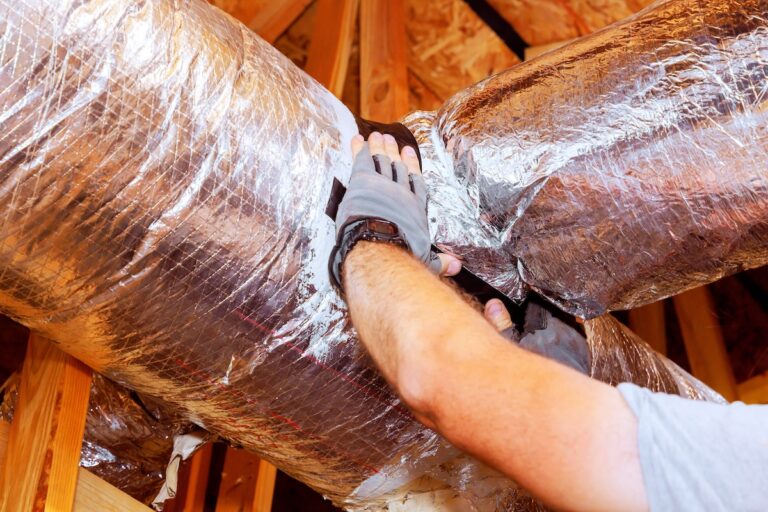
Apply your chosen sealant meticulously to all duct seams, joints, and penetrations. Ensuring a continuous airtight seal at these critical points prevents air leakage effectively.
5. Address Flexible Ducts and Insulation
Flexible ducts often develop cracks and tears. Inspect these sections carefully and patch or replace damaged areas. Additionally, consider enhancing duct insulation, which complements sealing efforts by reducing thermal loss.
6. Test for Airtightness
After sealing, conduct a post-repair leakage test. This verifies the integrity of your work and helps identify any remaining weak points that require attention.
7. Schedule Regular Maintenance
Regular inspections and maintenance keep your ducts in top condition. Routine checks help catch leaks early, preserving efficiency over time.
Supporting Technologies and Strategies to Maximize Duct Performance

Improving duct sealing can be even more effective when paired with complementary approaches and technologies. Understanding these options offers a holistic way to optimize your HVAC system’s function and durability.
- Air Duct Wrapping: This process involves insulating ducts externally, which protects against temperature loss and physical damage. It works synergistically with sealing to maintain stable airflow.
- Pressure Testing: Advanced methods like duct pressurization tests help confirm the effectiveness of sealing and detect hard-to-see leaks in complex duct networks.
- Sealing Material Innovations: New sealants and tapes continue to evolve with enhanced adhesive properties and longer lifespans, providing better results for professional applications.
- Smart HVAC Controls: Incorporating smart thermostats and zoning systems can amplify efficiency gains made through duct sealing by optimizing airflow and temperature control throughout the property.
Common Questions About Duct Sealing Answered
Even with a clear understanding of duct sealing benefits and steps, many homeowners and building managers seek further clarification. Below are some frequently asked questions to shed more light on this crucial topic.
How often should ducts be sealed?
Ductwork should typically be inspected and sealed every 5 to 10 years. However, homes with older HVAC systems or those experiencing high energy bills might benefit from more frequent evaluations.
Can I seal ducts myself?
Minor sealing involving accessible ducts might be feasible as a DIY project, but professional equipment and experience often result in a more reliable, long-lasting seal, especially in complex systems.
Does duct sealing improve indoor air quality?
Yes. Proper sealing reduces infiltration of pollutants, dust, and allergens entering through leaks, which contributes to healthier indoor air.
What signs indicate duct leaks?
Common indicators include uneven heating or cooling, unusually high energy bills, visible damage to ducts, and dusty vents.
Enhancing Duct Sealing Through Expert Support and Innovation

Professional services play a vital role in achieving superior duct sealing outcomes. Technicians bring expertise and specialized tools that ensure a comprehensive approach, from inspection to final testing. Integrating duct sealing efforts with innovations like air duct wrapping adds an extra layer of protection and efficiency.
| Service | Benefits | Ideal For |
| Duct Sealing | Reduces air loss, energy bills, and improves system lifespan | Homes and businesses with aging or leaky ducts |
| Air Duct Wrapping | Enhances insulation, protects ducts, improves airflow stability | Buildings in extreme climates or with exposed ductwork |
| Pressure Testing | Identifies hidden leaks, verifies sealing effectiveness | All duct systems after sealing or renovation |
Invest in the Health of Your HVAC System Today
Effective duct sealing is a vital investment toward enhancing your HVAC system’s efficiency, comfort, and air quality. By following the outlined steps and considering expert solutions such as those from Pro Shine, you secure long-term benefits for your property. For tailored advice and professional duct sealing services, contact us today at Pro Shine and start your path to a more efficient and comfortable space.
Clean Air Is Just A Call Away!