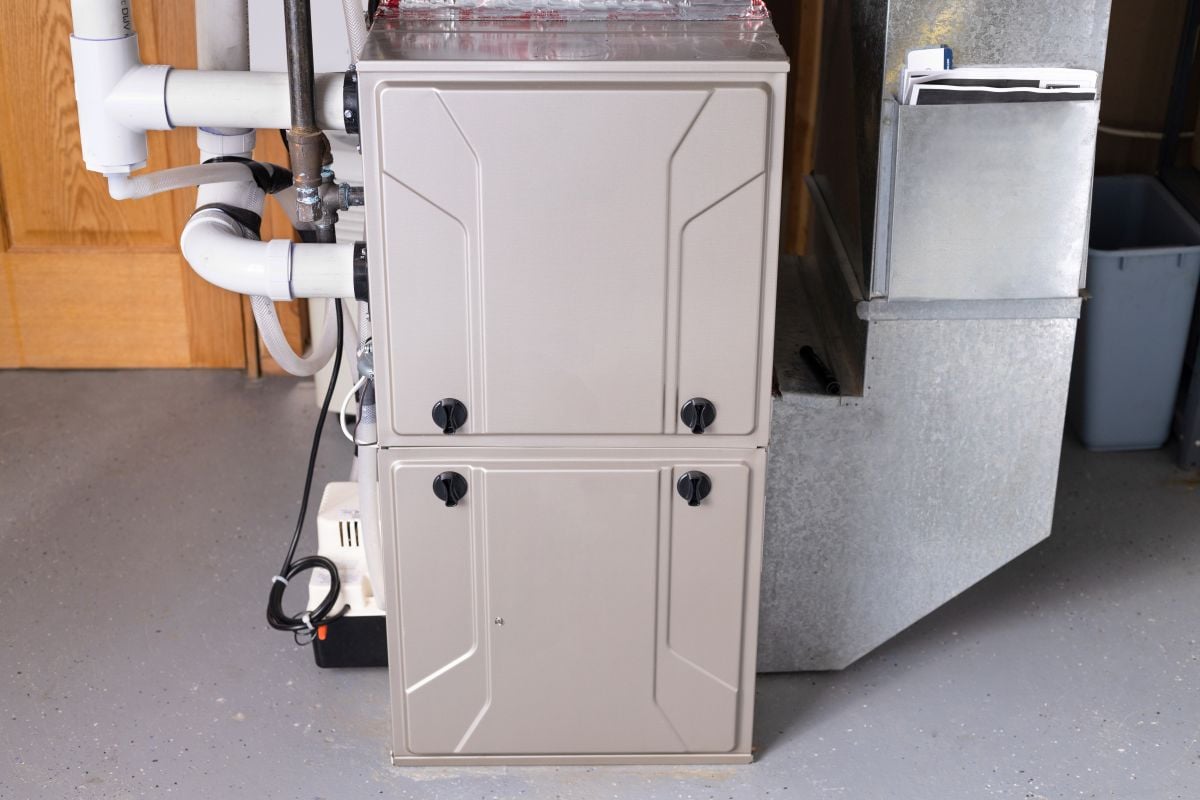
Furnace Smells Like Burning? 7 Signs You Need a Cleaning
The first time your furnace fires up for the season, a faint burning smell is normal and usually fades within minutes. But if your furnace smells like burning every time it runs, produces an odor that does not clear after a cycle or two, or generates a smell that is sharp, chemical, or electrical rather than simply dusty, your system is telling you something important. Keeping your home’s air distribution system free of the buildup that causes these problems is the most effective way to stay ahead of them.
In this guide, you will learn:
- Why not all furnace burning smells indicate the same problem
- 7 specific signs that your furnace needs a professional cleaning
- How to identify which type of burning smell your furnace is producing and what it means
- When a burning smell is a warning you can address with maintenance and when it requires emergency action
- What happens inside a furnace and duct system that creates persistent burning odors
- How regular professional cleaning prevents burning smells from developing in the first place
Not All Furnace Burning Smells Mean the Same Thing

One of the most important things to understand before responding to a furnace burning smell is that the type of odor matters significantly. A dusty smell at the start of heating season is fundamentally different from a persistent electrical smell during normal operation, and treating them as the same problem leads to either unnecessary panic or dangerous inaction. The smell your furnace produces, when it produces it, and how long it lasts are all diagnostic information that points toward very different causes and responses.
In Hardeeville and surrounding areas, where homes rely heavily on HVAC systems for comfort control across a long season and where dust, humidity, and pollen load the return air stream continuously, the furnace and duct system accumulate the kinds of debris that cause persistent burning smells faster than homeowners in less demanding climates typically expect. Understanding the difference between a smell that resolves in minutes and one that signals a problem requiring attention is the starting point for every decision that follows.
- The Dusty Seasonal Smell: This is the odor that appears during the first one to three heating cycles after the furnace has been dormant for a warm-season period. Dust that settled on the heat exchanger and surrounding components during the off-season burns off when the system reactivates. It should resolve completely within a few cycles. If it does not, the dust load on the system is heavier than normal burning-off can address.
- The Persistent Burning Dust Smell: A burning dust odor that continues beyond the first week of heating season, or that reappears every time the furnace starts after a period of non-use, indicates a consistent supply of combustible material reaching the heat exchanger. This points to inadequate filtration, excessive duct debris, or a filter that has not been changed on schedule.
- The Electrical or Plastic Smell: A sharp, acrid odor that resembles burning plastic or an overheating appliance is a serious warning that warrants immediate investigation. This smell can indicate a failing motor, overheating wiring insulation, or a plastic component in contact with a heat source. It should never be attributed to normal operation or ignored.
- The Musty or Dirty Smell: A musty odor accompanying the heat output is typically a sign of biological contamination in the duct system rather than an actual combustion issue. Mold spores, dust mite debris, and other organic material in the ductwork are being heated as they pass through the system and distributed into the living space with every cycle.
- The Burning Hair or Fabric Smell: An organic burning smell distinct from dust often indicates that a foreign object, a small piece of fabric, an accumulation of pet hair, or similar material has entered the system and is in contact with a heat source. This typically resolves once the material finishes burning, but it signals a filter or intake protection problem worth addressing.
7 Signs Your Furnace Needs a Cleaning
A furnace that needs cleaning does not always announce itself with an obvious burning smell. Often the warning signs are subtler, developing gradually over months in ways that homeowners adapt to without recognizing them as indicators of a system that needs attention. These seven signs, taken individually or in combination, are reliable indicators that professional cleaning should be scheduled before the problem compounds.
1. A Burning Smell That Persists Beyond the First Few Cycles of the Season
As described above, a brief dusty smell at the start of heating season is normal. A burning smell that continues past the first three to five heating cycles is not. When the seasonal smell does not resolve on its own, it means the system contains more combustible debris than brief initial burn-off can address. The heat exchanger, burner area, and connected ductwork have accumulated enough material over the dormant period that the odor is continuously regenerated rather than quickly dissipating.
- If the burning smell is stronger at floor-level registers than at ceiling-level vents, the debris accumulation is likely concentrated in the lower sections of the duct system where heavier particles settle
- If the smell is strongest immediately when the furnace starts and fades progressively as the system runs, the debris is primarily on the heat exchanger surface rather than distributed through the duct network
- If the smell is consistent throughout the full operating cycle regardless of duration, the contamination is distributed throughout the duct system and a full professional cleaning is needed
2. Visible Dust or Debris Discharged at Supply Registers
If you can see dust puffing out of supply registers when the furnace starts, or if dust accumulates on surfaces near supply vents significantly faster during heating season than at other times of year, the duct system is actively distributing debris with every heating cycle. This visible evidence is confirmation that whatever is creating the burning smell is also loading the living space with particulates that affect indoor air quality and accumulate on all household surfaces.
The presence of visible debris at registers is also a strong indicator that the current air filter is not adequate for the volume of particles in the system, either because it is overdue for replacement, because it has the wrong MERV rating for the household conditions, or because it is not seating correctly in its housing and allowing unfiltered air to bypass it.
3. Increased Allergy or Respiratory Symptoms When the Furnace Is Running

If household members notice that their allergy symptoms, morning congestion, eye irritation, or respiratory discomfort worsens during the heating season compared to warmer months when windows are open, the furnace and duct system are likely distributing allergens that accumulate during the dormant period. This connection is frequently missed because the worsening happens gradually and is attributed to seasonal allergies rather than to the HVAC system that is actively recirculating settled debris.
For households in Hardeeville and surrounding areas with members who have asthma, chronic allergies, or other respiratory sensitivities, this pattern is one of the highest-priority cleaning indicators because the health consequences of continued exposure are measurably worse for sensitive individuals than for otherwise healthy adults.
4. A Persistent Musty or Dirty Smell That Accompanies the Heated Air
A musty smell that travels with the heat output through every register in the home is characteristic of biological contamination in the duct system. Mold, mildew, dust mite colonies, and decomposing organic debris in ductwork produce a distinct musty odor when warm air passes over them. In a system that has not been cleaned in several years, this smell may be so persistent and pervasive that household members have stopped consciously noticing it as an odor and simply accept it as how the house smells in winter.
This is a form of adaptation that works against the homeowner’s interest, because the contamination producing the smell is simultaneously degrading indoor air quality with every heating cycle. A professional cleaning that removes the biological material responsible for the odor produces a noticeable improvement in how the home smells and in the quality of the air circulating through it.
5. The Furnace Is Running Longer Cycles to Reach the Thermostat Setpoint
If the furnace seems to run continuously for extended periods to bring the home to the thermostat setting, or if you have noticed a progressive increase in heating bills without a change in thermostat settings or outdoor temperatures, restricted airflow through a dirty system is a likely contributor. A heat exchanger coated in debris, a filter that is significantly overloaded, or a duct system with substantial buildup all force the furnace to work harder and longer to move conditioned air through the system.
Extended runtime also means extended operation of the heating element, which accelerates the rate at which any combustible material in or near the heat exchanger is exposed to high temperatures over the course of a heating season. This is the mechanism by which a dirty system that is not yet producing a burning smell moves progressively toward one.
6. The Air Filter Is Heavily Loaded in Under 30 Days
The lifespan of an air filter in a given system reflects how much particulate material the system is pulling out of the air. If you replace your filter on a 30-day schedule and find it significantly loaded with debris well before that interval, the system is operating in a higher-than-normal particulate environment. This can reflect the household conditions, a pet-heavy or high-traffic environment, or ongoing construction nearby, but it can also reflect debris that is re-entering the airstream from inside the duct system itself.
- A filter that loads fully in under two weeks in a normal household is a strong signal that debris is being recirculated from the duct interior rather than only being captured from the incoming air
- If the filter is primarily loaded with fine gray or black particulates rather than the light-colored dust typical of household air, biological material or fine combustion byproducts may be contributing to the loading
- Switching to a higher-MERV filter without addressing the underlying duct contamination will accelerate filter loading further and may restrict airflow enough to cause additional problems
7. The System Has Not Been Professionally Serviced in More Than One Year
This final sign is not a symptom but a risk factor, and it belongs on this list because it is the single most reliable predictor of whether a furnace burning smell is likely to develop. Professional furnace and duct cleaning removes the accumulated debris that is the direct cause of the majority of burning smells homeowners experience. A system that has not been cleaned in over a year, and particularly one that has been operating through two or more full heating seasons without professional service, has built up a reservoir of combustible and biological material that will eventually express itself as an odor, a performance problem, or both.
In Hardeeville and surrounding areas, where HVAC systems run through long seasons and where local pollen, humidity, and dust loads accelerate the rate of debris accumulation, a one-year professional service interval is appropriate for most households. High-occupancy homes, homes with pets, or homes with members who have respiratory sensitivities may benefit from a six-month interval.
What the Type of Burning Smell Actually Tells You
Once you have identified that a burning smell from your furnace is not the normal brief seasonal odor, narrowing down the type of smell helps direct the response appropriately. Here is a practical guide to the most common furnace burning smells and what each one typically indicates.
- Dusty or earthy burning smell: Most commonly caused by dust accumulation on the heat exchanger or in the duct system. Responds well to professional cleaning. If it appears seasonally and fades within a few cycles, maintain your filter schedule. If it persists, schedule cleaning.
- Sharp electrical or plastic burning smell: A serious warning that should prompt you to turn off the furnace and call for professional inspection immediately. Possible causes include an overheating blower motor, damaged wiring insulation, or a plastic component in contact with a heat source. Do not attribute this smell to dust and do not continue running the system.
- Musty or moldy smell: Biological contamination in the duct system. Does not resolve with filter changes alone. Requires professional duct cleaning and, in some cases, antimicrobial treatment if mold is confirmed on duct surfaces.
- Burning rubber smell: Can indicate a drive belt that is slipping or deteriorating on an older furnace model, or a rubber component that has come into contact with a heat source. Warrants a professional mechanical inspection of the furnace components.
- Sulfur or rotten egg smell: This is not a cleaning issue. A sulfur smell from a gas furnace is a potential gas leak and requires immediate action. Turn off the furnace and the gas supply, leave the home, and call your gas utility and emergency services from outside.
- Sweet or chemical smell: Can indicate refrigerant leaking from a heat pump system or specific chemical combustion from a foreign material in the system. Warrants professional inspection to identify the source.
When to Act Immediately vs. When to Schedule Maintenance

Not every furnace burning smell requires emergency action, and not every one can safely wait for a scheduled maintenance appointment. Understanding the threshold between these two categories prevents both unnecessary urgency and dangerous delay.
Smells That Require Immediate Action
Stop the furnace, do not restart it, and call for professional inspection before the next heating cycle if you detect any of the following: an electrical or burning plastic smell, a sulfur or rotten egg smell from a gas furnace, any smell accompanied by visible smoke or soot around the furnace or registers, or any burning smell that appears suddenly in a system that has been operating normally without prior odor issues.
Smells That Can Be Addressed Through Scheduled Maintenance
A dusty burning smell that persists beyond the first week of heating season, a musty smell that accompanies heated air through all registers, or a progressive increase in odor intensity over the course of a season are all indicators that cleaning is needed but that the urgency is maintenance-level rather than emergency-level. Schedule the cleaning within the next few weeks rather than the next few days, but do not defer it indefinitely.
A Quick Reference Guide
| Smell Type | Urgency Level | Recommended Action |
| Brief dusty smell at season start | None | Normal, monitor if it persists past 5 cycles |
| Persistent dusty smell throughout season | Moderate | Schedule professional cleaning within weeks |
| Musty or moldy smell from registers | Moderate | Schedule cleaning and inspection |
| Electrical or burning plastic smell | High | Stop furnace, call for inspection today |
| Sulfur or rotten egg smell | Emergency | Leave home, call gas utility immediately |
| Burning rubber smell | Moderate to High | Stop furnace, schedule mechanical inspection |
| Sweet or chemical smell | High | Stop furnace, call for professional inspection |
Do Not Let a Burning Smell From Your Furnace Go Unanswered
A furnace that smells like burning is communicating something specific about the condition of the system, and the response it deserves is an informed one rather than a reflexive wait-and-see approach. Whether the smell points to a straightforward cleaning need or to something requiring immediate professional attention, acting on it promptly is always the better outcome for your household’s safety, comfort, and the lifespan of your equipment.
Pro Shine Professional Cleaning serves homeowners throughout Hardeeville and surrounding areas with professional furnace and air duct cleaning that removes the accumulated debris responsible for burning odors, reduced airflow, and declining indoor air quality. Our team inspects before we clean, identifies what is actually causing the problem, and gives you a clear picture of what your system needs before any work begins. If your furnace has been producing a burning smell, or if your system simply has not been professionally cleaned in the past year, contact us today and let us take a look at what your system is telling you.
Clean Air Is Just A Call Away!