How to Reduce Humidity in House? (6 Solutions That Work)
Indoor humidity plays a major role in comfort, air quality, and the long-term condition of your home. If your living space often feels sticky, smells musty, or shows signs of condensation, excess moisture could be the culprit. Understanding how to reduce humidity in house environments is essential for protecting both your property and your health. Many homeowners improve indoor air quality by addressing airflow and ventilation issues, which can often start with services like professional air system cleaning.
In this guide, you will learn:
- What causes high humidity inside homes
- Practical solutions that lower indoor moisture levels
- Signs that humidity is becoming a serious problem
- Maintenance habits that help keep humidity under control

Why Controlling Indoor Humidity Matters for Your Home
Indoor humidity might seem like a minor comfort issue, but it can quickly turn into a serious problem for both your property and your health. When moisture builds up inside a home, it creates conditions that encourage mold growth, structural damage, and poor air quality. This is especially important in coastal climates like Savannah and surrounding areas, where naturally humid air can make indoor moisture levels harder to control.
Maintaining balanced humidity levels helps ensure your home stays comfortable, safe, and energy efficient year-round.
Here are several key benefits of keeping indoor moisture under control:
- Prevents Mold Growth: Mold thrives in damp environments. When humidity rises above 60%, mold can begin forming on walls, ceilings, furniture, and hidden surfaces such as insulation and ductwork.
- Protects Structural Materials: Wood framing, drywall, paint, and flooring can weaken or deteriorate when exposed to prolonged moisture.
- Improves Indoor Air Quality: High humidity traps allergens, dust, and pollutants, which can worsen breathing conditions for sensitive individuals.
- Increases Indoor Comfort: When humidity is balanced, your home feels cooler and fresher even without lowering the thermostat.
- Discourages Pests: Moist environments attract insects like termites, cockroaches, and dust mites.
For homeowners in Savannah and surrounding areas, controlling humidity is often a key part of maintaining a healthy and comfortable living environment.
6 Solutions That Work to Reduce Humidity in Your House
High humidity inside a home usually comes from multiple sources, including daily activities, poor ventilation, and hidden moisture buildup. The good news is that several practical solutions can significantly reduce indoor humidity levels.
Below are six effective methods homeowners can use to keep moisture under control.
1. Improve Ventilation Throughout the Home
Proper airflow is one of the most effective ways to remove excess moisture from indoor spaces.
Everyday activities such as cooking, showering, and laundry release large amounts of water vapor into the air. Without ventilation, that moisture lingers and gradually raises humidity levels.
Ways to improve airflow include:
- Using bathroom exhaust fans during and after showers
- Running kitchen ventilation while cooking
- Opening windows when weather allows
- Installing attic or whole-home ventilation systems
Homes in Savannah and surrounding areas often benefit from improved airflow because coastal climates naturally carry higher moisture levels.
2. Use a Dehumidifier
Dehumidifiers are one of the most direct solutions for lowering indoor humidity. These devices remove moisture from the air and collect it in a reservoir or drain line.
They are especially useful in areas where humidity tends to concentrate.
Common locations for dehumidifiers include:
- Basements
- Laundry rooms
- Bathrooms
- Crawl spaces
A whole-home dehumidifier connected to the HVAC system can also provide consistent humidity control throughout the house.

3. Address Hidden Moisture Sources
Sometimes humidity problems come from water sources that are not immediately visible.
Leaks or moisture buildup inside walls, crawl spaces, or ceilings can slowly raise indoor humidity without obvious signs.
Check for issues such as:
- Plumbing leaks under sinks or inside walls
- Roof leaks allowing moisture into attic spaces
- Wet insulation in crawl spaces
- Poor drainage around the foundation
Fixing these hidden moisture sources prevents humidity problems from recurring.
4. Maintain Your HVAC System
Your HVAC system plays a major role in regulating indoor humidity levels. When the system is not functioning properly, it may cool the air without removing enough moisture.
Regular maintenance helps ensure your HVAC system removes humidity effectively.
Important maintenance tasks include:
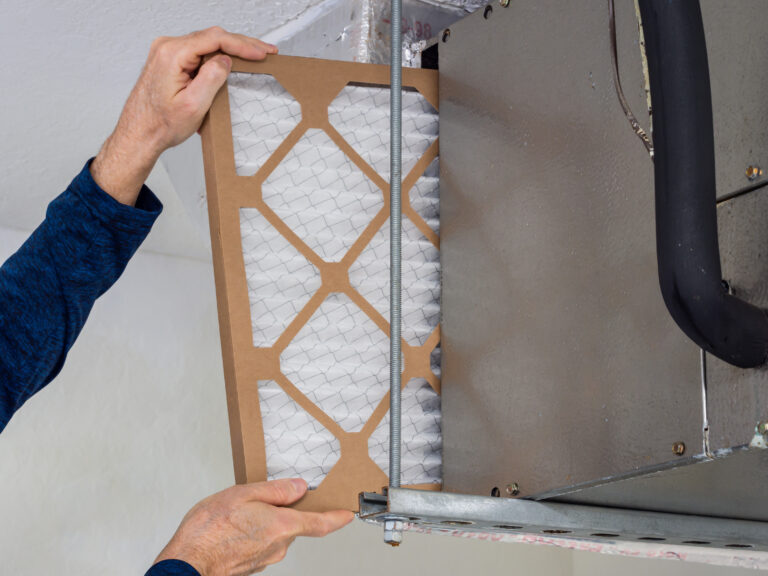
- Replacing air filters regularly
- Cleaning air ducts and vents
- Checking condensate drain lines
- Scheduling professional inspections
Clean HVAC systems also help air circulate more efficiently, which supports better humidity control throughout the home.
5. Use Moisture Absorbing Materials
In smaller spaces or specific rooms, moisture-absorbing products can help reduce humidity levels.
These materials attract and hold water vapor from the surrounding air.
Common options include:
- Silica gel packs
- Activated charcoal
- Calcium chloride moisture absorbers
- Moisture absorbing containers for closets
While these products will not solve major humidity issues, they can help control moisture in confined areas like closets, storage rooms, or cabinets.
6. Adjust Everyday Household Habits
Small lifestyle changes can make a noticeable difference in indoor humidity levels.
Many common household activities produce significant moisture, especially when done frequently without ventilation.
Consider these adjustments:
- Take shorter or cooler showers
- Cover pots while cooking
- Run bathroom fans after bathing
- Avoid air drying laundry indoors
- Use lids on aquariums and indoor water features
These simple habits help reduce the amount of water vapor entering the air inside your home.
Signs Your Home Has a Humidity Problem
Sometimes high humidity is obvious, but other times it develops gradually and goes unnoticed. Recognizing the early signs can help homeowners address the issue before it leads to larger problems.
Below are several indicators that your indoor humidity levels may be too high.
Condensation on Windows
One of the most common warning signs is condensation forming on window glass.
When warm, humid air inside your home meets a cooler surface like a window, the moisture condenses into visible droplets. If this happens frequently, it may indicate that indoor humidity is too high.
Musty Odors
A persistent musty smell often signals that excess moisture is present somewhere in the home.
These odors are frequently associated with mold growth or damp building materials.
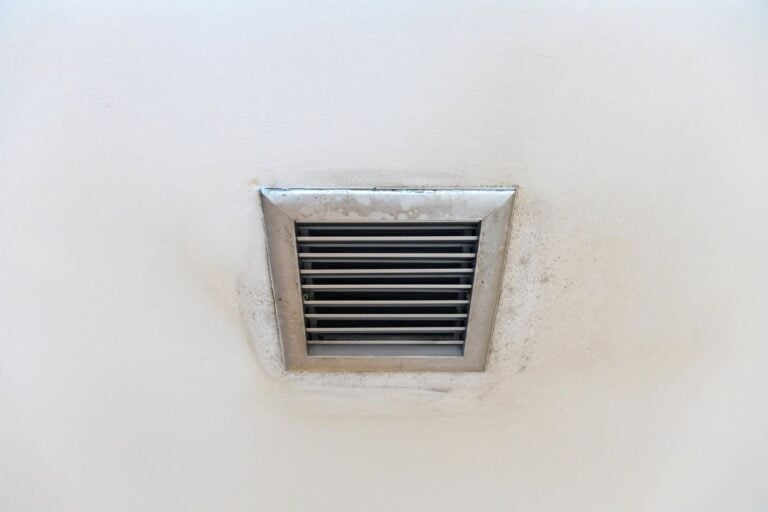
Mold or Mildew Spots
Dark or fuzzy patches on walls, ceilings, or grout lines can indicate mold or mildew growth caused by excessive humidity.
Bathrooms, basements, and poorly ventilated rooms are especially vulnerable.
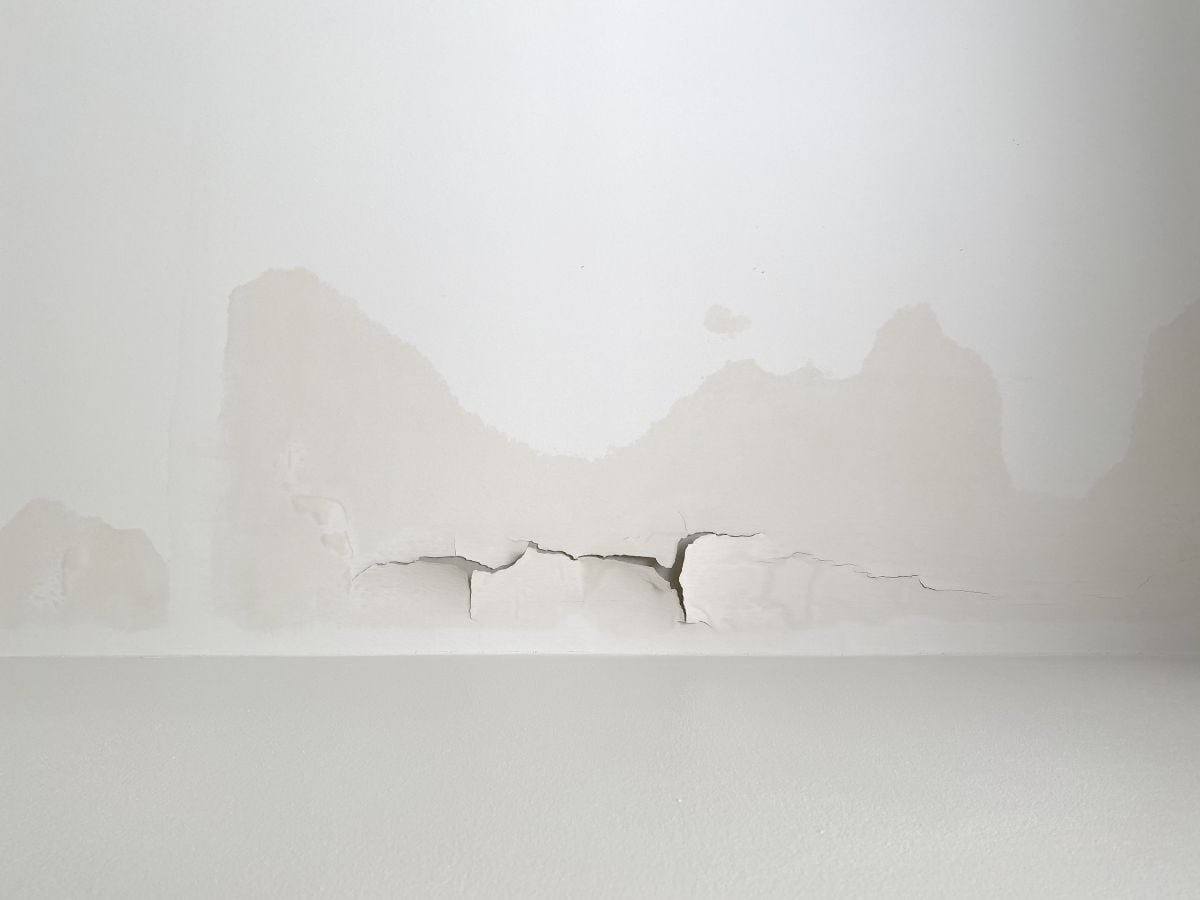
Peeling Paint or Wallpaper
Excess moisture can weaken adhesives and finishes, causing paint to bubble or wallpaper to peel away from the walls.
Increased Allergy Symptoms
High humidity encourages dust mites and mold spores, both of which can trigger allergy symptoms such as sneezing, coughing, and irritated eyes.
If homeowners in Savannah and surrounding areas notice these warning signs, it may be time to evaluate indoor humidity levels and take action.

Long-Term Strategies to Keep Indoor Humidity Under Control
Reducing humidity once is helpful, but maintaining balanced moisture levels requires consistent maintenance and preventative steps.
Long-term humidity control focuses on improving airflow, managing moisture sources, and maintaining home systems.
Seal Air Leaks
Warm, humid outdoor air can enter through gaps around windows, doors, and ductwork.
Sealing these openings helps prevent excess moisture from entering your home.
Areas to inspect include:
- Window and door frames
- Attic openings
- Crawl space vents
- Duct connections
Improve Crawl Space and Basement Conditions
Basements and crawl spaces often contribute significantly to indoor humidity.
Moisture in these areas can rise into the rest of the house.
Solutions include:
- Installing vapor barriers
- Improving drainage around the home
- Adding crawl space ventilation
- Using dedicated dehumidifiers
Monitor Humidity Levels
A simple humidity monitor, also called a hygrometer, allows homeowners to track indoor moisture levels.
These devices are inexpensive and help ensure humidity stays within the recommended range of 30 to 50 percent.
Keep Air Systems Clean
Dust, debris, and buildup inside ventilation systems can reduce airflow and trap moisture.
Regular system cleaning improves air circulation and helps maintain healthier indoor air conditions.
Homes in Savannah and surrounding areas often benefit from routine air system cleaning to prevent moisture buildup inside ducts and ventilation pathways.
Take Control of Indoor Humidity With Help From Pro Shine Cleaning
Learning how to reduce humidity in house environments is one of the best ways to protect your home, improve indoor comfort, and maintain healthy air quality. When humidity levels are controlled, homes are less likely to experience mold growth, structural damage, or unpleasant odors.
If your home is struggling with airflow, moisture buildup, or indoor air quality issues, professional support can make a significant difference. The team at Pro Shine Cleaning helps homeowners maintain cleaner, healthier living environments through expert system cleaning and maintenance.
If you are ready to improve your home’s indoor air conditions, contact us today to schedule service with Pro Shine Cleaning and restore comfort to your home.
Clean Air Is Just A Call Away!