Indoor Air Quality Solutions (8 Ways to Breathe Better)
Indoor air quality is one of the most important yet overlooked parts of a healthy home. The air you breathe affects energy levels, allergies, sleep, and even long-term wellness. As more homeowners begin paying attention to what’s circulating through their HVAC system, finding the right indoor air quality solutions has become a top priority. If you want to understand how to improve the air in your home more effectively, this guide pairs homeowner-friendly advice with insights from this helpful resource on general HVAC cleaning.
Here’s what you’ll learn today:
- Why indoor air quality matters more than most people realize
- The most effective improvements you can make at home
- How HVAC systems influence air quality
- Maintenance habits that lead to cleaner, healthier indoor air
- When to bring in a professional for deeper solutions
Why Improving Indoor Air Quality Matters

Indoor air quality affects everything from respiratory comfort to long-term health. Poor airflow, dirty ductwork, or hidden contaminants make it harder for your HVAC system to maintain a comfortable and healthy environment. Many homeowners in Bluffton and surrounding areas face additional challenges because coastal humidity creates conditions where mold and allergens thrive.
Here are the main reasons indoor air quality deserves your attention:
- Health and Respiratory Relief: Cleaner air reduces sneezing, congestion, and allergy flare-ups, especially for children or sensitive individuals.
- Better HVAC Efficiency: When dust and debris circulate freely, your system works harder. Cleaner air improves airflow and lowers energy use.
- A Fresher Home Environment: Improved air quality reduces musty odors, stale air pockets, and lingering smells from pets or cooking.
- Reduced Dust Buildup: Cleaner air means less surface dust, fewer cleanings, and better overall comfort.
- Improved Sleep and Energy: High-quality air supports deeper sleep, sharper focus, and better daily comfort.
8 Indoor Air Quality Solutions to Help You Breathe Better
Improving indoor air quality doesn’t have to be overwhelming. The solutions below range from simple lifestyle changes to more advanced HVAC-based upgrades. Together, they create a cleaner, healthier environment that benefits everyone in your home.
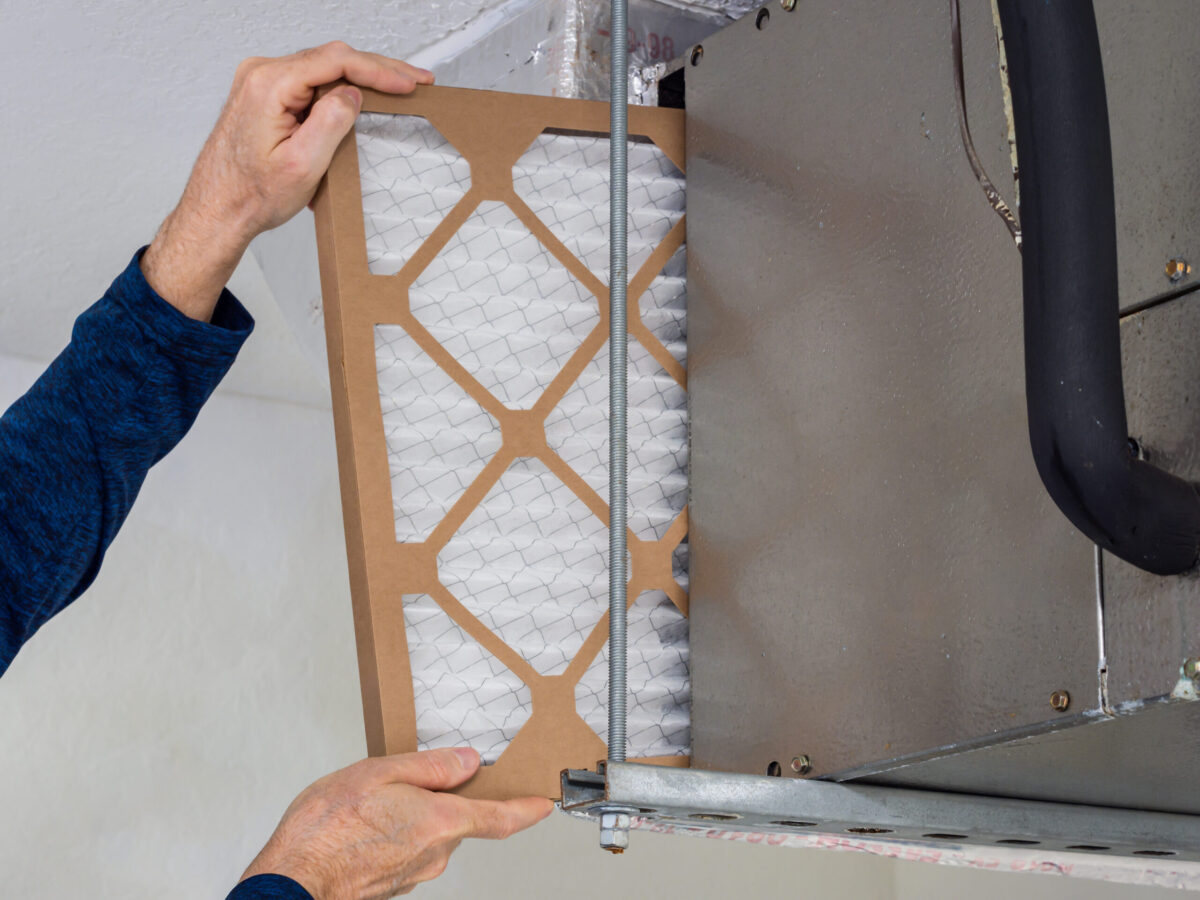
1. Clean or Replace HVAC Filters Regularly
Your HVAC filter is the first line of defense against airborne contaminants. When filters clog with dust or debris, your system struggles to circulate clean air.
Replace filters every one to three months depending on:
- Pets in the home
- Frequency of HVAC use
- Allergies or respiratory conditions
- Dust levels inside the home
Higher efficiency filters (such as MERV 8–13) trap more particles without restricting airflow.
2. Schedule Professional Air Duct Cleaning
Over time, dust, pollen, pet hair, and microbial buildup settle inside your ductwork. These contaminants circulate through your home whenever the HVAC runs.
Professional air duct cleaning helps improve airflow and removes irritants that DIY methods cannot. The coastal humidity in Bluffton and surrounding areas makes this especially important, since moisture can encourage mold inside ducts.
This service is recommended every 3 to 5 years, or more often in homes with:
- Pets
- Smokers
- Recent renovation work
- Allergy concerns
3. Use an Air Purifier That Fits Your Space
Air purifiers help reduce contaminants that ordinary filters may miss, such as finer dust, VOCs, and airborne bacteria. There are many types of air purifiers, including ones that use UV light.
Purifiers work best in:
- Bedrooms
- Living rooms
- Homes with pets
- Homes near high-traffic roads
Whole-home air purifiers, which integrate into the HVAC system, provide the most consistent results.
4. Improve Ventilation Throughout Your Home
Fresh air circulation is one of the simplest and most effective indoor air quality solutions. Without proper ventilation, contaminants build up and remain trapped indoors.
Here are easy ways to improve circulation:
- Open windows on mild days
- Run kitchen and bathroom exhaust fans
- Install attic ventilation if needed
- Ensure furniture or curtains aren’t blocking supply vents
Good ventilation also helps maintain balanced humidity.
5. Control Humidity Levels
Both high humidity and low humidity create indoor comfort problems. Too much moisture promotes mold growth and dust mites, while dry air irritates sinuses.
Aim to keep indoor humidity between 40 and 50 percent. You can achieve this with:
- A whole-home dehumidifier
- A portable room dehumidifier
- A humidifier during winter months
- Routine HVAC maintenance
Homes in Bluffton and surrounding areas often require additional moisture control due to the coastal climate.
6. Keep Your Air Handler Clean and Maintained
The air handler controls the circulation and conditioning of indoor air. When dust coats the blower motor, coil, or internal components, air quality drops and the system struggles.
Signs your air handler needs attention include:
- Musty odors
- Uneven heating or cooling
- Visible dust on the cabinet
- High humidity indoors
Professional cleaning helps restore airflow, efficiency, and air quality.
7. Reduce Chemical and VOC Sources Inside the Home
Many common household items release volatile organic compounds (VOCs), which contribute to poor indoor air quality and respiratory irritation.
Common sources include:
- Scented candles
- Air fresheners
- Paints and solvents
- Cleaning supplies
- New furniture or flooring
Choose low-VOC or no-VOC alternatives when possible and ventilate well during use.
8. Address Dust at the Source
Dust management is a core part of maintaining clean indoor air. Regular cleaning prevents particles from entering your ductwork or recirculating throughout the home.
Helpful habits include:
- Vacuuming carpets with a HEPA vacuum
- Damp-dusting surfaces instead of dry wiping
- Washing bedding weekly
- Grooming pets outdoors when possible
- Cleaning curtains and upholstery seasonally
Small steps add up quickly in improving overall air quality.
How Your HVAC System Influences Indoor Air Quality

Your HVAC system constantly circulates air throughout your home. When it’s clean and functioning well, it supports a healthy environment. When neglected, it spreads contaminants instead.
Below are the major HVAC components that affect indoor air quality.
Air Handler
A clean air handler ensures proper airflow and reduces strain on the system. Dirt buildup on coils or blowers contributes to uneven temperatures and reduced air quality.
Air Ducts
Dust, pollen, hair, and other particles accumulate inside ducts slowly over time. This buildup leads to airflow issues, musty smells, and increased allergens.
Coils
Evaporator coils condense moisture. If those surfaces remain damp or dirty, mold can develop and enter the airflow.
Filters and Return Vents
If return vents collect dust or pet hair, they pull contaminants directly into the system. Filters act as a barrier but need regular replacement to stay effective.
Environmental Factors That Influence Indoor Air Quality
Beyond your HVAC system, your environment plays a major role in how clean your air remains. Coastal towns like Bluffton and surrounding areas experience unique challenges that make maintenance even more important.
Humidity
High humidity increases mold growth and dust mite populations. This affects allergy symptoms and indoor air quality year-round.
Salt Air
Salt particles travel easily indoors and can settle on surfaces and inside air ducts, contributing to buildup.
Pollen
Seasonal pollen can be intense in certain regions. Homes near wooded or coastal areas experience increased drifting pollen indoors.
Seasonal Weather
Storms and wind patterns shift airborne contaminants and impact your ventilation needs.
Understanding your environment helps you choose the right indoor air quality improvements for your home.
Comparing Popular Indoor Air Quality Solutions
Different solutions work best for different needs. Here’s a breakdown to help you decide which are most beneficial for your home.
| Solution | Best For | Strengths | Maintenance Needs |
| HVAC Filter Upgrades | All homes | Affordable, immediate improvement | Replace every 1 to 3 months |
| Air Purifiers | Allergy or asthma concerns | Removes finer particles | Clean or replace filters |
| Dehumidifiers | Humid climates | Reduces mold and dust mites | Empty tank or clean lines |
| Professional Duct Cleaning | Homes with buildup or odors | Deep cleaning and airflow restoration | Every 3 to 5 years |
| Ventilation Upgrades | Stuffy or airtight homes | Improves airflow and freshness | Occasional cleaning |
| Air Handler Cleaning | Older or frequently used systems | Supports full HVAC performance | Annually or as needed |
Combining several of these solutions yields the best long-term results.
How To Maintain Better Indoor Air Quality Long-Term
Once your air quality improves, consistent habits help keep it that way. Many of these steps are quick but make a major difference in cleanliness and comfort.
- Change filters regularly: Set reminders to avoid delay.
- Keep clutter low: Clutter traps dust and disrupts airflow.
- Clean vents and registers: Wipe monthly to prevent buildup.
- Use kitchen and bath fans: Moisture management lowers mold risk.
- Schedule annual HVAC maintenance: Keeps components clean and efficient.
- Inspect ducts visually: Look for dust, moisture, or unusual odors.
Clean air isn’t a one-time fix. It’s an ongoing process that becomes easier with routine care.

Breathe Easier With Professional Indoor Air Support
Cleaner, healthier indoor air starts with the right steps and consistent care. Whether you’re dealing with allergies, odors, humidity issues, or general dust buildup, the right indoor air quality solutions can make a noticeable difference in everyday comfort. When DIY methods aren’t enough or you want deeper improvements, professional cleaning and inspection help ensure your HVAC system supports the cleanest air possible.
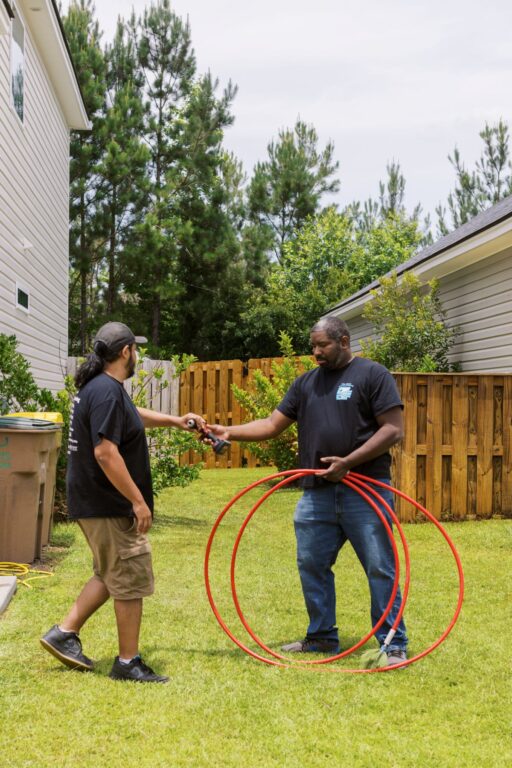
Pro Shine Cleaning proudly serves Bluffton and surrounding areas with natural cleaning products, transparent pricing, and expert HVAC system care. To schedule an inspection or discuss ways to improve air quality in your home, contact us today. Pro Shine Cleaning is here to help you breathe easier every day.
Clean Air Is Just A Call Away!