7 Top Signs You Need Air Duct Cleaning: A Homeowner’s Guide
Your home’s air quality affects your comfort, energy bills, and overall health. Yet many homeowners overlook the ductwork responsible for circulating air throughout every room. Knowing the signs you need air duct cleaning helps you act before dust, contaminants, or airflow issues start impacting your home. If you’re unsure whether your ductwork is due for attention, exploring this helpful resource on air duct cleaning can give you valuable context.
Here’s what you’ll learn in this guide:
- Why paying attention to duct condition matters
- The most common warning signs your ducts need cleaning
- How neglected ductwork affects your home
- What a professional cleaning includes
- How to extend the time between cleanings
Why Recognizing Air Duct Issues Matters

Air ducts play a major role in your home’s comfort and efficiency. When they become clogged, coated, or contaminated, problems tend to spread quickly. Understanding what to look for helps you prevent energy waste, reduce indoor pollution, and protect your HVAC system from strain.
Here are the primary reasons this topic deserves your attention:
- Indoor Air Quality Protection: Dust, allergens, and contaminants circulate through clogged ducts and settle on surfaces throughout your home.
- Energy Efficiency: Dirty ducts force your HVAC system to push harder, using more energy and increasing utility costs.
- System Longevity: Debris inside ducts contributes to wear on your coils, blower motor, and air handler.
- Comfort Consistency: Blocked ducts disrupt airflow, causing temperature differences between rooms.
- Health Benefits: Clean ducts reduce airborne triggers that worsen respiratory symptoms, especially in humid coastal areas like Savannah and surrounding areas.
7 Clear Signs You Need Air Duct Cleaning
Knowing when ducts need attention can save you from unnecessary repairs and prevent unhealthy indoor air conditions. Every home is different, but the warning signs below should never be ignored.
1. Excess Dust Around Vents and Surfaces
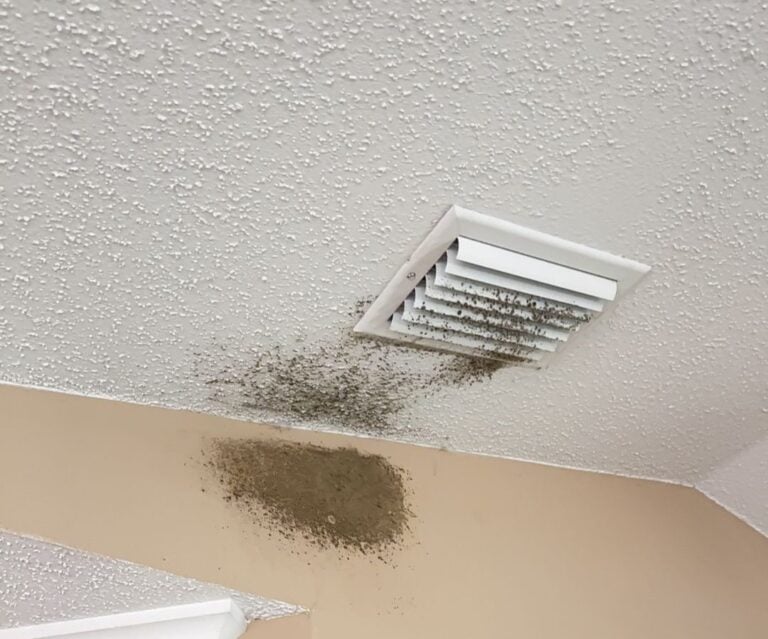
If you notice dusty vent covers, gray buildup on return vents, or frequent dust accumulation on your furniture shortly after cleaning, your ducts may be distributing particulates throughout the home.
This often occurs when:
- Filters are overdue for replacement
- Ducts have not been cleaned in several years
- Construction or remodeling dust has settled inside the system
Regular dusting should never reveal thick accumulations around vents. If it does, your ducts likely need professional attention.
2. Musty or Unpleasant Odors When the HVAC Runs
A foul, damp, or musty smell is one of the most common signs that duct interiors contain moisture, mold, or bacteria. Since ducts move air through the entire home, you may notice the odor strongest when the system first turns on.
This is especially common in humid regions like Savannah and surrounding areas, where moisture can enter ducts more easily. Mold growth inside ductwork cannot be addressed with DIY methods and needs professional cleaning and antimicrobial treatment.
3. Uneven Airflow or Rooms That Stay Too Hot or Too Cold
When ducts are clogged, crushed, or filled with debris, airflow becomes restricted. Your HVAC system may be working properly, but certain rooms still feel uncomfortable due to poor circulation.
Signs include:
- Hot or cold spots
- Weak airflow from vents
- Vents that push significantly more or less air than others
Debris buildup inside ducts prevents air from flowing evenly, creating temperature imbalance throughout the home.
4. Increased Allergy or Respiratory Symptoms Indoors
If residents notice more coughing, sneezing, or sinus irritation indoors, your ducts may be circulating allergens throughout the home. Dust mites, pollen, pet dander, and microbial particles can settle inside duct surfaces and recirculate every time the HVAC system runs.
Symptoms often worsen during:
- Seasonal changes
- Weather shifts
- Humid periods typical of Savannah and surrounding areas
A professional cleaning removes these irritants, improving overall indoor comfort.
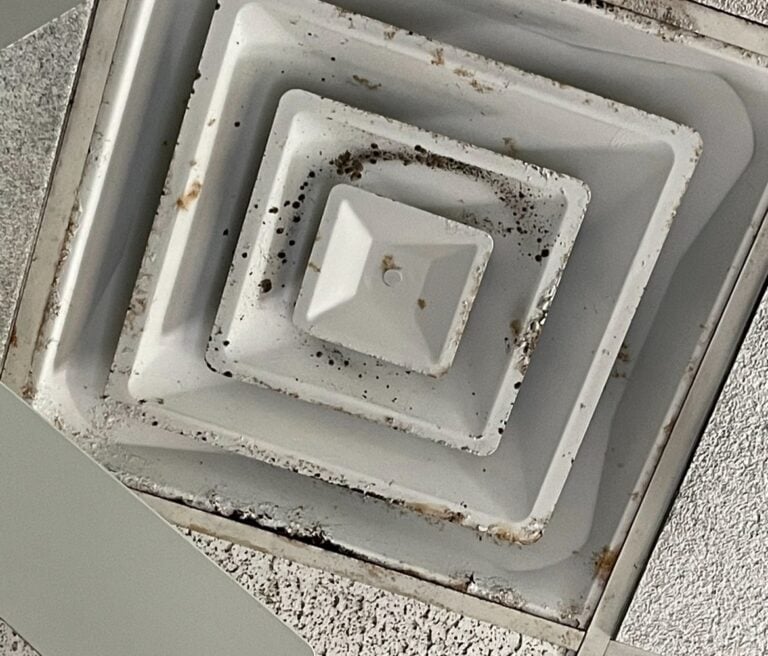
5. Visible Mold or Mildew on Vents or Inside the Air Handler
Seeing mold anywhere in your HVAC system is a red flag. Mold grows quickly in damp or humid duct environments and can spread through the entire home if not addressed promptly.
Common indicators include:
- Black or green specks on vent covers
- Moisture droplets on or near vents
- Mold growth inside the air handler
Because mold spores circulate through the duct system, cleaning requires proper containment and antimicrobial products designed for HVAC interiors.
6. Unusually High Energy Bills
If your energy bills rise despite normal usage, airflow restriction may be forcing your HVAC system to run longer and work harder. Dirty ducts increase static pressure within the system, reducing efficiency.
Additional signs of airflow strain include:
- Longer run cycles
- Furnace or AC working harder in mild temperatures
- Reduced overall comfort indoors
Cleaning your ducts restores normal airflow, helping the system operate efficiently.
7. It Has Been 3 to 5 Years Since Your Last Cleaning
Even if you don’t notice obvious issues, ducts accumulate dust gradually. The National Air Duct Cleaners Association recommends cleaning every 3 to 5 years under typical conditions.
Homes in humid or coastal regions like Savannah and surrounding areas may benefit from more frequent cleanings because moisture, salt, and pollen accelerate buildup.
What Dirty Ducts Mean for Your Home

Recognizing the signs is one thing, but understanding their impact makes it easier to prioritize cleaning. Dirty ducts can cause a ripple effect throughout your home in ways you might not expect.
Reduced HVAC Performance
When ducts clog with lint, dust, or debris, your HVAC system has to compensate by using more energy to move air. This strain can shorten the lifespan of important components.
Decline in Indoor Air Quality
Contaminants inside the ducts don’t stay inside the ducts. They settle on surfaces throughout the home or remain suspended in the air you breathe.
Higher Costs Over Time
Small problems multiply quickly when ducts go uncleaned:
- More energy usage
- More frequent component replacements
- More dusting and cleaning
- Potential mold remediation
Routine duct cleaning is an investment that prevents bigger expenses later.
What Professional Duct Cleaning Includes
A thorough cleaning goes far beyond removing visible dust around vents. Reputable providers use specialized tools and inspection processes to ensure the entire system is cleaned safely.
Multi-Point Inspection
Professionals begin with a full system examination, identifying issues such as:
- Blocked ducts
- Mold or moisture
- Loose insulation
- Air leaks
- Pest activity
Negative Pressure System Cleaning
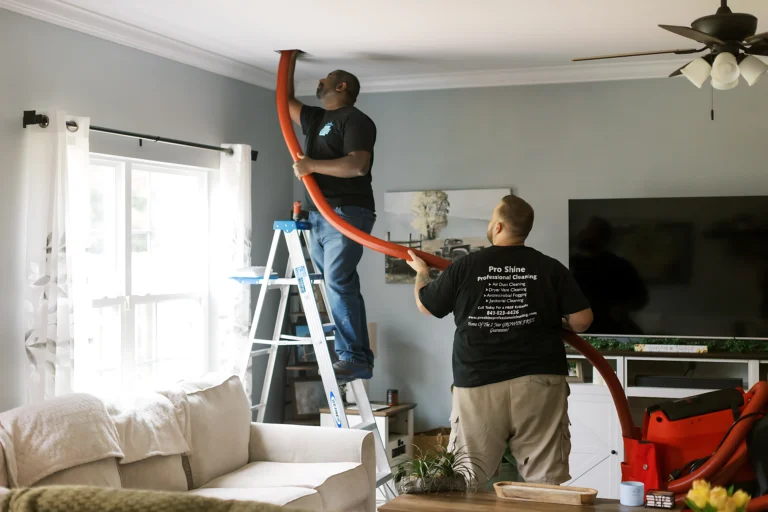
A high-powered vacuum creates negative pressure through the duct system, pulling out dust, debris, and contaminants safely. This method prevents particles from escaping back into your living space.
Scrubbing and Agitation
Special rotating brushes or compressed air whips remove stubborn buildup inside ducts, improving airflow and efficiency.
Sanitization
In homes exposed to moisture or microbial growth, natural antimicrobial products like Bioesque help eliminate mold and bacteria without harsh chemicals.
Verification
Professionals ensure vents are secure and sealed properly before finishing the service, providing documentation or before-and-after visuals upon request.
How To Maintain Clean Ducts Between Services
Even though professional cleaning is essential, daily habits can help extend the time between appointments. Simple steps can greatly reduce the amount of dust entering your duct system.
Here are some effective maintenance strategies:
- Replace Filters Consistently: Change filters every one to three months depending on usage and household activity.
- Dust and Vacuum Regularly: Clean around return vents and high-traffic areas to reduce airborne dust.
- Check for Moisture Issues: Dampness encourages mold growth and needs immediate attention.
- Protect Vents During Renovation: Construction dust is one of the worst culprits for duct contamination.
- Maintain the Air Handler: Ensure coils and blower components remain clean and well-maintained.
Following these habits helps keep your HVAC system efficient and your indoor air cleaner.
Why This Matters for Homeowners in Coastal Areas
Coastal cities like Savannah and surrounding areas face environmental conditions that accelerate duct contamination. Higher humidity creates ideal conditions for mold growth inside ductwork, while salt and pollen increase dust accumulation more quickly than in inland environments.
Homes in these areas benefit greatly from:
- More frequent filter changes
- Annual duct inspections
- Regular humidity control within the home
- Professional duct cleaning on a slightly shorter schedule
Understanding your region’s climate helps you protect your home more effectively.

Stay Ahead of Duct Problems With Professional Help
Your home’s comfort, efficiency, and air quality depend heavily on the condition of your air ducts. Recognizing the signs you need air duct cleaning early helps prevent expensive repairs, improve airflow, and ensure your living environment stays healthy. If you’ve noticed musty smells, inconsistent temperatures, visible dust, or worsening allergies, it may be time to schedule a cleaning.
Pro Shine Cleaning proudly serves Savannah and surrounding areas with natural sanitization products, transparent pricing, and detailed duct inspections that ensure long-lasting results. To learn more or book your appointment, contact us today. Pro Shine Cleaning is committed to helping you breathe cleaner, healthier air at home.
Clean Air Is Just A Call Away!