Air Duct Cleaning Process Guide: 7 Things To Expect
Most homeowners who schedule a duct cleaning have no idea what the technician is actually doing while they are in the house. Understanding the air duct cleaning process from start to finish gives you the ability to evaluate whether the work being performed meets a professional standard or falls short of one. Knowing what a thorough cleaning of your home’s air systems should actually look like is the best protection against providers who cut corners without you realizing it.
In this guide, you will learn:
- Why understanding the cleaning process before your appointment matters for quality and accountability
- 7 specific things to expect during a professional air duct cleaning visit
- What professional equipment looks like on site and why it matters
- The warning signs during the cleaning process that tell you something is wrong
- How to verify that the work was completed correctly before the technician leaves
- What follow-up steps a credible provider should recommend after the service
Why Understanding the Air Duct Cleaning Process Before You Book Matters
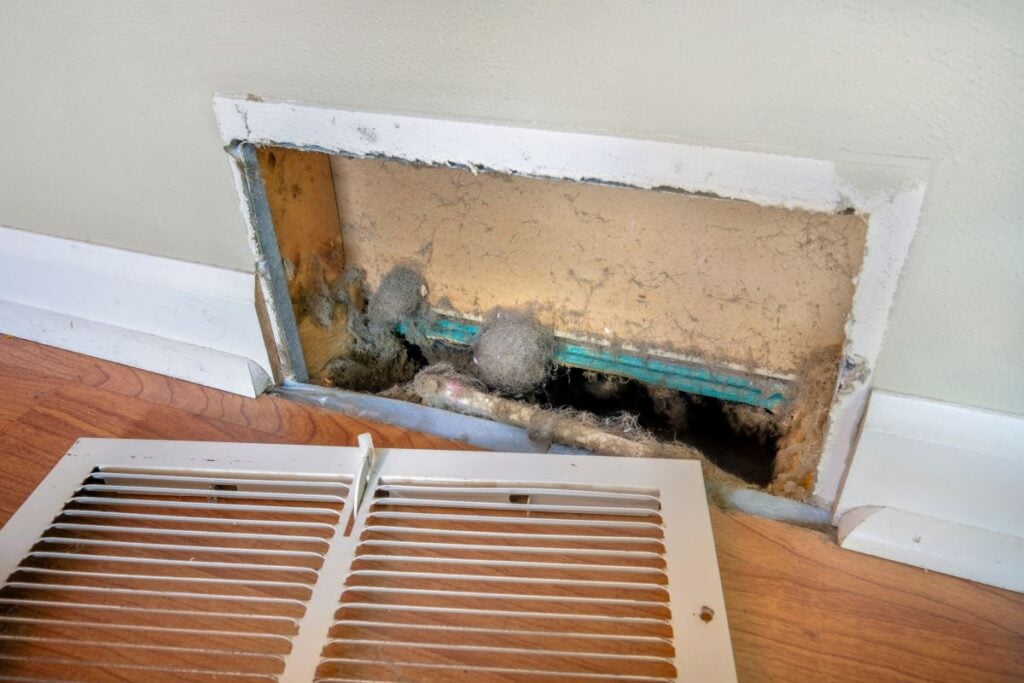
Scheduling a professional air duct cleaning without knowing what the process should look like puts you in the position of trusting entirely on faith that the job was done correctly. That trust is hard to place accurately when you have no benchmark for comparison. A homeowner who understands what a thorough air duct cleaning process involves can observe whether the technician is following it, ask informed questions when something seems off, and verify at the end of the visit that the work delivered what was promised.
In Hilton Head Island and surrounding areas, where duct systems accumulate buildup faster due to the humid climate and year-round HVAC operation, the difference between a properly executed cleaning and a superficial one is not just a matter of degree. It is the difference between a system that is genuinely cleaner and one that looks cleaner at the register while the bulk of the contamination remains deeper in the duct network. Knowing the process gives you the context to tell these apart.
- Provider Accountability: A homeowner who knows what a professional cleaning process involves can hold providers to that standard. Someone who does not know cannot ask the right questions, cannot spot shortcuts, and has no way to evaluate whether the scope delivered matches what was promised in the quote.
- Better Value From Every Cleaning Dollar: Understanding the process helps you choose providers whose scope is comprehensive rather than those who offer lower prices by skipping steps. The cheapest cleaning is rarely the best value when it leaves most of the system uncleaned.
- Confidence in the Outcome: Watching a skilled technician work through a defined process with professional equipment and explain each step as they go produces a level of confidence in the result that a homeowner flying blind simply cannot have, regardless of how politely the job is completed.
- Protection Against Unnecessary Upselling: Some providers use the cleaning visit itself as an opportunity to manufacture urgency around services the home does not need. A homeowner who understands the process can evaluate whether a recommended add-on is genuinely supported by what was found during inspection.
- Informed Follow-Up Planning: Understanding what was done during the cleaning process also helps you understand what was not done and what will need to happen next to maintain the result over time. A provider who explains each step is also giving you a roadmap for future maintenance.
7 Things To Expect During a Professional Air Duct Cleaning Process
A professional air duct cleaning is not a single action. It is a sequence of distinct steps, each of which serves a specific purpose in achieving a result that is thorough, safe, and verifiable. Here is what a properly executed cleaning process should include from the moment the technician arrives to the moment they leave.
1. A Pre-Cleaning Inspection of the Full System
Before any tools enter your ductwork, a credible air duct cleaning professional begins with a thorough inspection of the system. This inspection covers the visible supply and return registers, the air handler cabinet, the filter housing, and any accessible duct sections, and it is ideally conducted with a camera tool that allows a view of interior duct conditions that are not visible from the register openings.
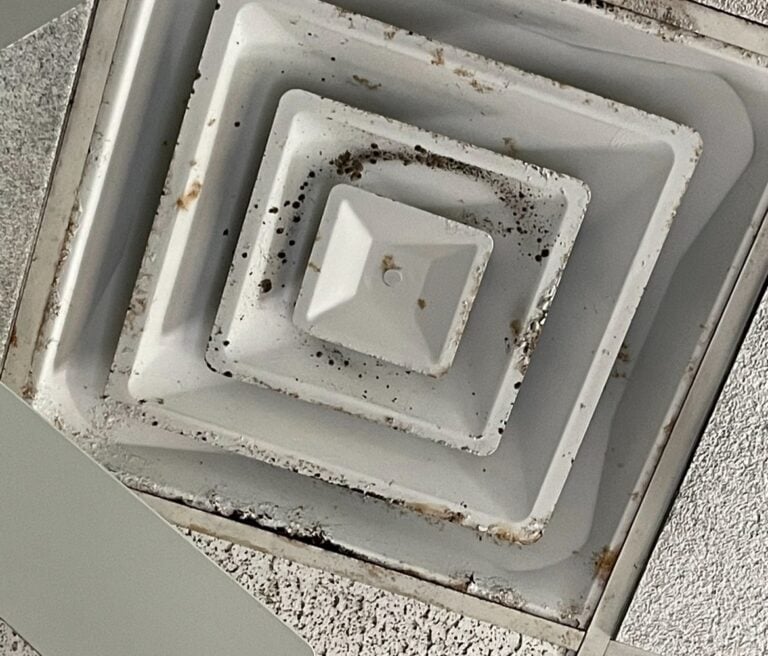
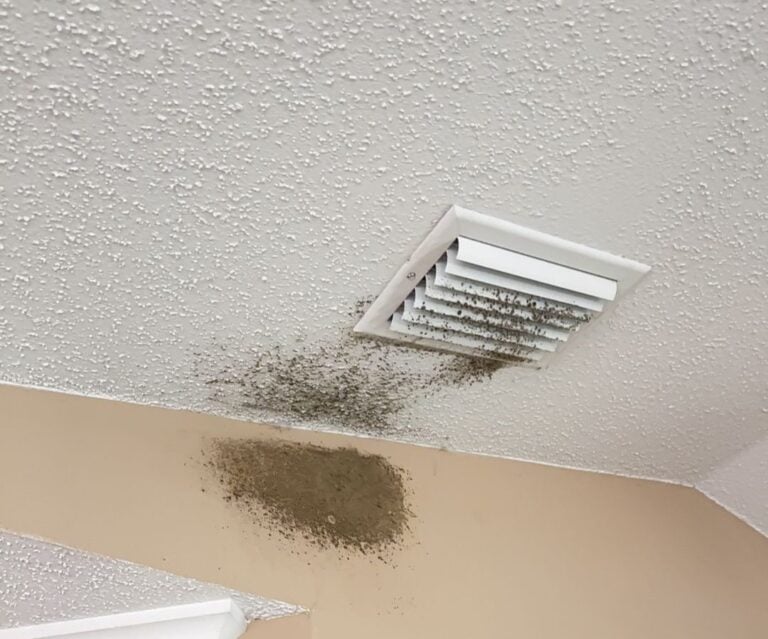
The pre-cleaning inspection serves two critical functions. First, it identifies the actual condition of the system, including areas of significant buildup, visible mold, pest intrusion, or structural damage that would affect the approach or scope of the cleaning. Second, it creates a documented baseline that allows for meaningful before-and-after comparison at the end of the visit.
- A provider who skips the inspection and goes directly to cleaning is proceeding without the information needed to clean the system correctly and safely
- Any mold, moisture, or structural damage found during inspection should be discussed with the homeowner before cleaning begins, not discovered mid-job or mentioned only as a post-cleaning upsell
- Ask to see what the camera shows inside the ductwork if an inspection camera is used. A transparent provider has no reason to withhold this view
2. System Sealing and Negative Pressure Setup
Before mechanical agitation of the duct interior begins, the system must be configured to ensure that loosened debris travels toward the collection equipment rather than into the occupied living space. This involves sealing all registers except the one being actively cleaned, connecting the vacuum collection system to the duct network, and verifying that the equipment is maintaining meaningful negative pressure throughout the system before any brushing begins.
This step is the structural backbone of the entire cleaning process. Without it, the cleaning disturbs the contamination that has built up on duct surfaces and disperses it into the home rather than capturing it. A provider who does not establish negative pressure containment before beginning agitation is not performing source-removal cleaning. They are performing a relocation of debris.
- Truck-mounted or high-capacity portable vacuum systems capable of generating thousands of cubic feet per minute of airflow are needed to create genuine negative pressure in a residential duct system
- All supply registers in the system should be sealed with foam plugs, magnetic covers, or tape before the vacuum is energized
- Confirm that the system is under negative pressure before the technician begins brushing by asking whether the vacuum is running at full capacity prior to any duct access
3. Mechanical Agitation and Cleaning of Supply Duct Runs
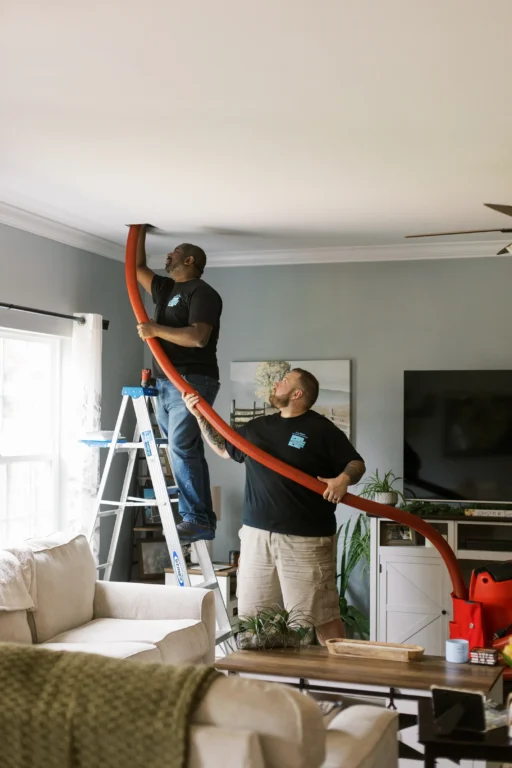
With negative pressure established and registers sealed, the technician begins mechanical cleaning of the supply duct sections, which are the ducts that deliver conditioned air from the air handler to each register in the home. Powered rotary brush systems, pneumatic whip tools, or skipper balls are advanced through each supply duct section in sequence, agitating debris from the interior walls while the vacuum collection system draws loosened material toward the collection point.
This is the most labor-intensive stage of the air duct cleaning process, and it is where the difference in technique and equipment between providers becomes most apparent. A thorough cleaning addresses the full length of each supply duct run from the register back to the main trunk line, not just the accessible section near the register opening.
- Each supply run should receive at least one full agitation pass from register opening to trunk line connection, with the brush or agitation tool appropriate to the duct diameter and material type used for that specific section
- Flex duct sections require different agitation tools and techniques than sheet metal sections to avoid damage while still achieving effective cleaning
- The technician should be working register by register through a systematic sequence rather than accessing ducts randomly or skipping sections that are harder to reach
4. Return Duct and Air Handler Cleaning
The return side of the duct system and the air handler itself are the components most commonly excluded from budget cleaning scopes, and they are also the components whose condition most directly determines how quickly the supply side becomes re-contaminated after cleaning. A comprehensive air duct cleaning process that stops at the supply registers is, at best, half of a complete cleaning.
Return ducts pull room air back to the air handler, and everything that circulates through the home’s air passes through them continuously. They accumulate significant biological and particulate contamination over time. The air handler cabinet, blower wheel, and evaporator coil area are the origin point of the entire air distribution system and must be cleaned as part of any thorough process.
- The return air plenum and each return duct section should receive the same mechanical agitation treatment as the supply duct sections, using appropriately sized tools for the typically larger return duct dimensions
- The air handler cabinet interior should be vacuumed and wiped, the blower wheel should be inspected for debris accumulation that affects airflow balance, and the evaporator coil area should be assessed for contamination that would re-pollute the supply air immediately after cleaning
- Drain pan inspection and cleaning should be included in the air handler component scope, as a drain pan with standing water or biological growth is a direct source of mold and odor in the air distribution system
5. Post-Cleaning Inspection and Verification
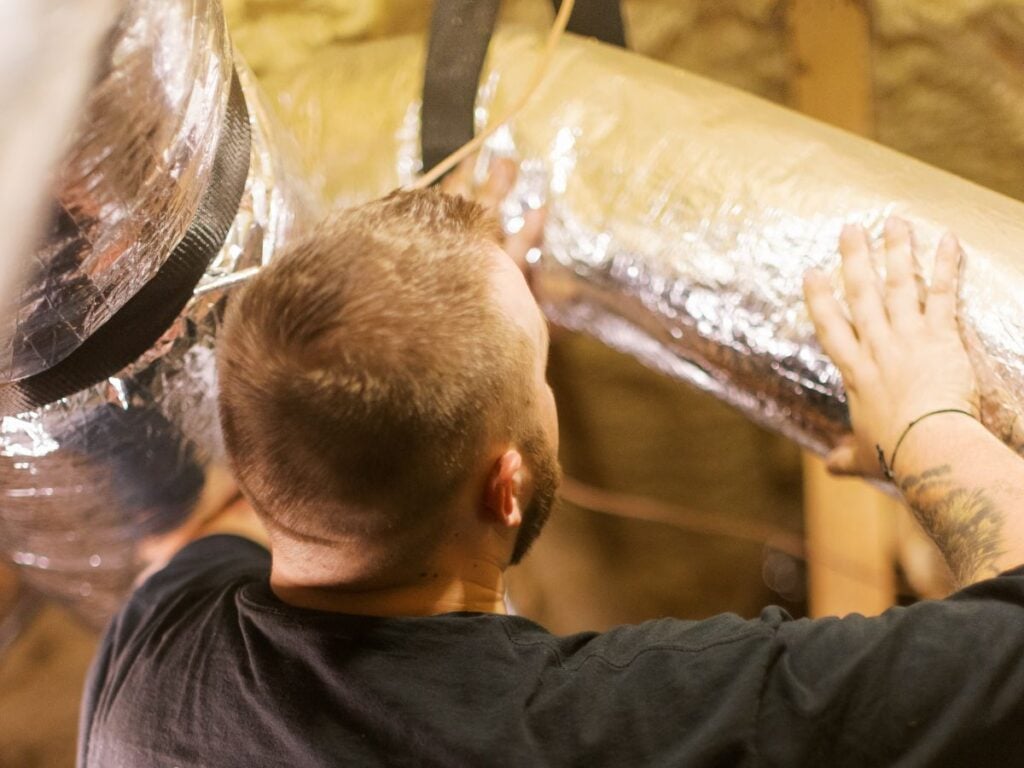
After mechanical cleaning of all duct sections and air handler components is complete, a thorough provider conducts a post-cleaning inspection that mirrors the pre-cleaning assessment. Supply registers are unsealed, the vacuum collection equipment is disconnected, and the camera is used to confirm the interior condition of accessible duct sections against the baseline established at the beginning of the visit.
This verification step is what separates a cleaning that can be documented from one that must be taken on faith. A post-cleaning camera inspection that shows clean duct surfaces is objective evidence that the process achieved its intended result. A provider who does not conduct this step either does not have the equipment to do it or does not want the result scrutinized.
- Ask to see the post-cleaning camera footage or photos of the same duct sections that were inspected at the beginning of the visit
- Airflow measurement at supply registers before and after cleaning provides a quantifiable performance indicator that reflects whether the cleaning improved distribution throughout the system
- Any damage or deficiencies found during post-cleaning inspection that were not present before the cleaning began should be identified, documented, and communicated to the homeowner immediately
6. A Written Service Report
A credible air duct cleaning process concludes with written documentation of what was found, what was done, and what the condition of the system is at the conclusion of the service. This report is not a marketing piece or a generic completion form. It is a specific record that includes the pre-cleaning system condition, the scope of work performed, any damage or concerns identified during inspection, any components that could not be accessed and why, and the post-cleaning verification results.
In Hilton Head Island and surrounding areas, where homeowners managing seasonal properties, rental properties, or homes with complex maintenance histories may need to reference prior service records when planning future work, this documentation has ongoing practical value well beyond the day of the appointment.
- Request a written service report as a standard deliverable before the appointment is booked, not as an after-the-fact request once the work is complete
- A service report that lists specific duct sections cleaned, the equipment used, and the post-cleaning verification results is meaningfully more useful than one that simply confirms a cleaning was performed
- Keep the service report with your other home maintenance records as a reference for scheduling the next cleaning and as documentation of due diligence for insurance or property management purposes
7. Specific Recommendations for Follow-Up Maintenance
A professional air duct cleaning process does not end when the technician walks out the door. A credible provider concludes the visit by walking through any findings from the inspection that require attention beyond the cleaning itself, and by making specific, evidence-based recommendations for follow-up maintenance that will extend the results of the cleaning and protect the system going forward.
These recommendations might include upgrading the air filter to a higher MERV rating based on what the inspection found, scheduling coil cleaning as a separate service if the coil was heavily contaminated and could not be fully addressed during the visit, repairing a disconnected duct joint found during inspection, or adjusting the cleaning interval for the next service based on the household conditions observed during this one.
- Recommendations should be specific and connected to actual findings, not a generic list of services the company offers
- Any recommendation for an immediate add-on service during the same visit should be supported by what the camera inspection actually showed, not presented as a standard add-on for every home
- Ask the technician to explain what they found that led to each recommendation so you can evaluate whether the suggestion is genuinely indicated by the condition of your specific system
What Professional Equipment Should Look Like During the Air Duct Cleaning Process
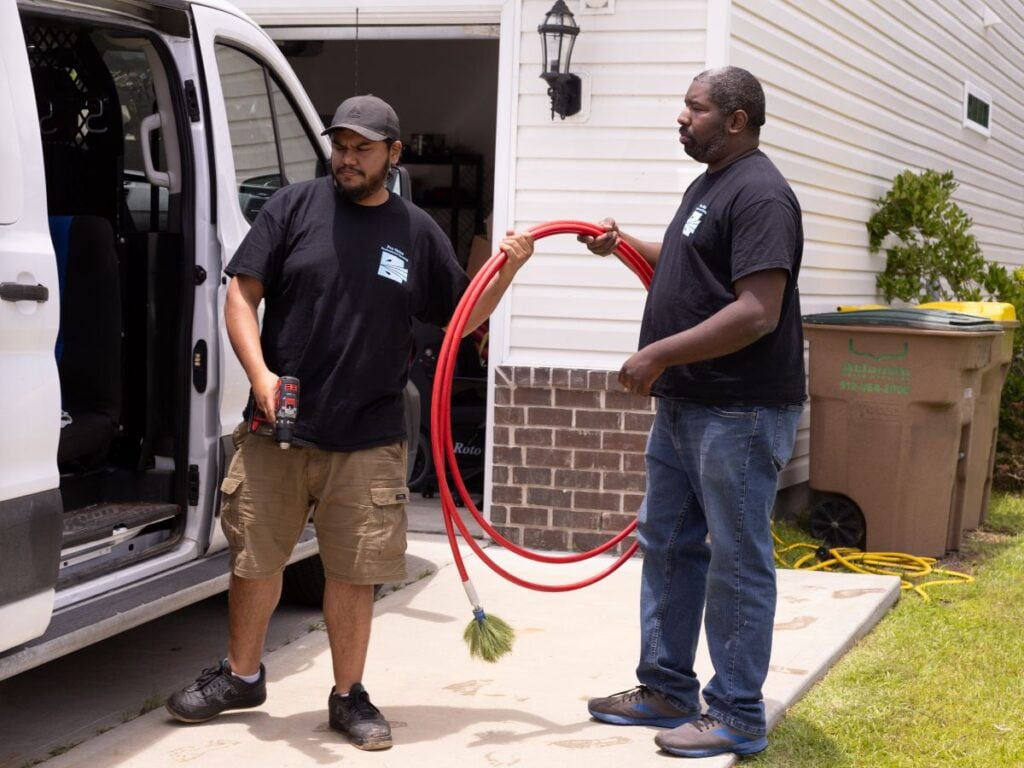
Watching a technician work and knowing whether the equipment they are using is appropriate for the job are two different things. Understanding the professional standard for cleaning equipment helps you identify on the spot whether the tools being used are capable of delivering the result you are paying for.
- High-Capacity Vacuum Collection System: Professional duct cleaning requires either a truck-mounted vacuum system or a high-capacity portable unit capable of generating sufficient airflow to maintain meaningful negative pressure throughout the full duct network. A household shop vacuum is not adequate equipment for this task regardless of the technician’s skill level.
- HEPA Filtration on the Collection System: The vacuum equipment should use HEPA filtration to capture fine particulates at the collection point rather than exhausting them back into the home. Fine particles that escape the collection system become airborne in the home and partially defeat the purpose of the cleaning.
- Material-Appropriate Agitation Tools: Powered rotary brushes, pneumatic whip tools, and skipper ball systems should be matched to the duct material type being cleaned. Sheet metal, flex duct, and duct board each require different approaches, and a technician who applies the same rigid brush kit to all three is not adjusting for the material properties that determine what is safe and effective.
- Camera Inspection Equipment: A flexible inspection camera allows the technician to see inside duct sections that cannot be viewed from the register opening and to document the condition of the duct interior before and after cleaning. This is not optional equipment for a professional-grade cleaning. It is the tool that makes the work verifiable.
- Access Tools and Panels: Cutting access panels into ductwork at strategic points allows cleaning equipment to reach sections of the duct network that cannot be serviced from the register openings alone. A cleaning that does not include any access cuts on a long or complex duct run may be limited to the sections reachable from the registers.
What the Air Duct Cleaning Process Should Not Include
Understanding what a proper process looks like also means recognizing the specific behaviors and shortcuts that signal a provider is not delivering a professional-grade cleaning. These are the red flags to watch for from arrival through completion.
Arriving Without Inspection Equipment
A technician who arrives with only a brush kit and a shop vacuum and proceeds directly to cleaning without any inspection of the system’s condition is not following a professional process. In Hilton Head Island and surrounding areas, where duct systems can harbor mold and significant biological buildup, beginning work without first assessing what is inside the system is a particularly irresponsible shortcut. Inspection before cleaning is not optional for responsible work. Its absence is a meaningful signal about the level of service that will follow.
Skipping the Return Side or Air Handler
If the technician’s work is limited to accessing supply registers and never addresses the return grilles, air handler, or plenum areas, the cleaning scope is incomplete by definition. Ask directly at the start of the visit which components are included in the scope and confirm that both sides of the system and the air handler are covered.
Offering Antimicrobial Treatment Without Inspection Evidence
Antimicrobial fogging or chemical treatment applied to every home as a standard add-on regardless of inspection findings is a revenue practice, not a professional recommendation. Treatment should be indicated by what the inspection actually found, not offered as a default for every cleaning.
Providing No Documentation
A cleaning visit that concludes with only a receipt and no written service record gives the homeowner nothing to verify, reference, or use as a baseline for future service. The absence of documentation is often a sign that the provider does not want the work scrutinized, and it should be treated as such.
Schedule a Cleaning Process You Can Actually Stand Behind
Knowing what the air duct cleaning process should look like transforms you from a passive observer to an informed participant who can hold any provider to the standard the work deserves. The seven things covered in this guide are not extraordinary expectations. They are the baseline for professional work done right, and every one of them should be present in any cleaning you schedule for your home.
Pro Shine Professional Cleaning serves homeowners throughout Hilton Head Island and surrounding areas with a cleaning process built on pre-service inspection, full-system scope, professional vacuum equipment, and written documentation that gives you something real to take away from every appointment. Our team explains each step as we work, shows you what we find, and makes recommendations based on what your specific system actually needs. If you are ready to schedule a cleaning you can actually verify, contact us today and let us walk you through exactly what our process looks like for a home like yours.
Clean Air Is Just A Call Away!