Air Duct Cleaning Tools: 7 Risks Of DIY Use At Home
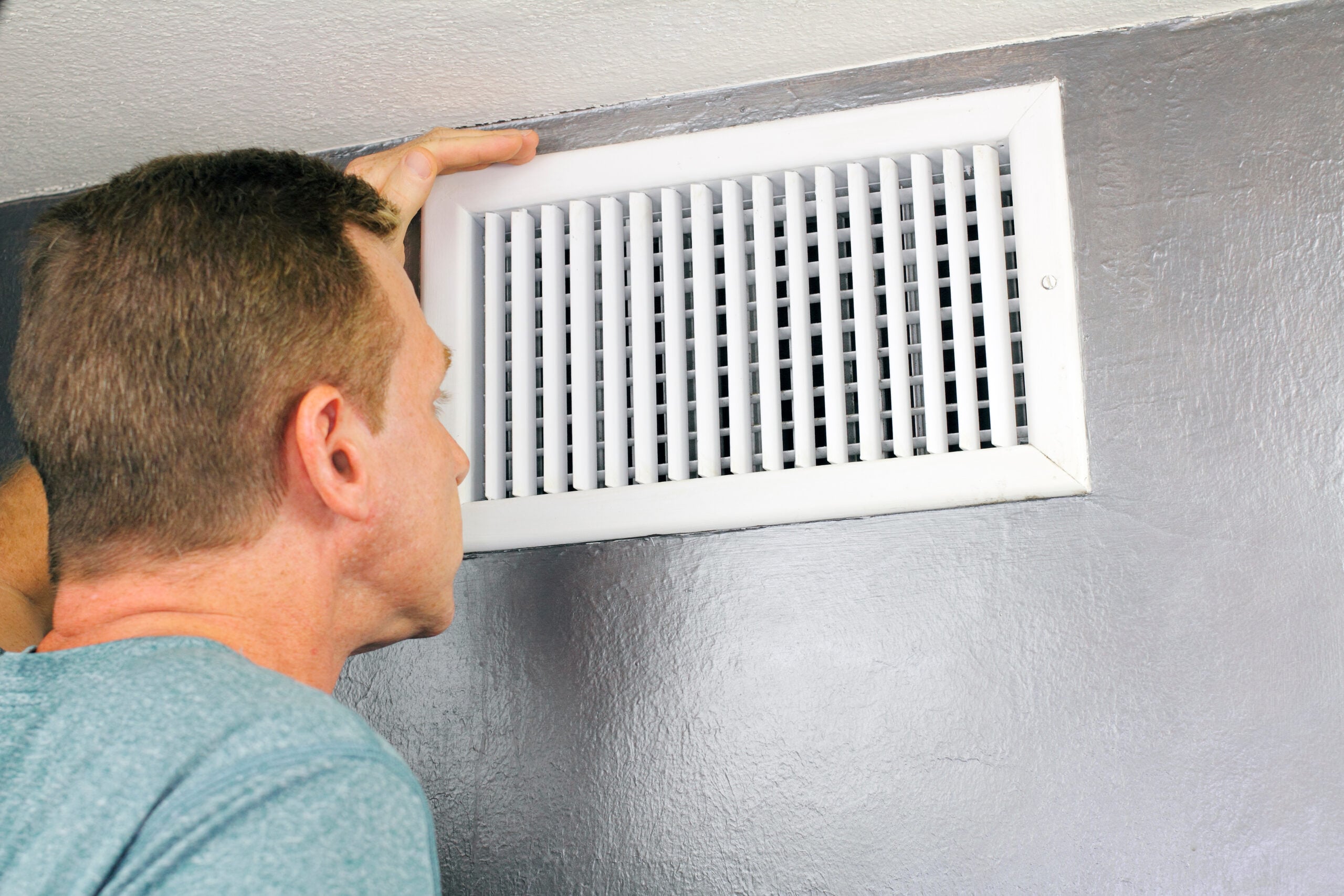
Walk into any home improvement store and you will find brushes, rods, and vacuum attachments marketed for duct cleaning. But reaching for air duct cleaning tools without understanding how duct systems actually work is one of the most common ways homeowners create new problems rather than solve existing ones. What looks like a straightforward maintenance task can quickly result in damaged ductwork, scattered contaminants, or a compromised HVAC system. Knowing what a properly cleaned duct system looks like helps you understand what is at stake before attempting the job yourself.
In this guide, you will learn:
- What consumer-grade air duct cleaning tools can and cannot realistically accomplish
- 7 specific risks that come with DIY tool use in residential duct systems
- How professional-grade tools differ from what homeowners can purchase
- The key questions to ask before deciding whether to DIY or hire a professional
- Which situations make DIY duct tool use particularly dangerous
- How to protect your HVAC system and your household while keeping ducts clean
What Consumer Air Duct Cleaning Tools Are Actually Designed to Do

Consumer-grade air duct cleaning tools are not designed for the same job that professional equipment performs. The brushes, flexible rods, and shop vacuum attachments sold at hardware stores are built for light, accessible maintenance of the visible and easily reachable sections of a duct system, typically the first foot or two inside the register opening. They are not engineered to clean the full length of a residential duct run, create meaningful negative pressure throughout the system, or capture the fine particulate matter that poses the most significant health and air quality concerns.
Understanding this distinction matters because the marketing language on consumer duct cleaning products rarely reflects it clearly. Homeowners in Saint Helena and surrounding areas who purchase these tools often assume they are equipped to perform the same function as a professional cleaning service, when in reality the two approaches produce results that are not comparable in scope, safety, or effectiveness. Here is what consumer air duct cleaning tools are and are not capable of:
- Limited Reach Into the Duct System: Even with extension rods attached, most consumer brush kits reach 10 to 15 feet into a duct run at most. Many residential duct runs extend significantly further, particularly in larger homes or those with complex duct routing through multiple wall and floor cavities.
- Insufficient Suction and Filtration: Standard shop vacuums and household vacuums do not generate the volume of suction needed to pull debris from the full length of a duct run or to maintain negative pressure throughout the system during cleaning. More critically, most lack HEPA filtration, which means fine particulates including mold spores and allergens are simply exhausted back into the room.
- No Containment Capability: Professional duct cleaning uses a closed system that keeps dislodged debris moving toward the collection equipment rather than into occupied spaces. Consumer tools have no mechanism to create or maintain this containment, which means loosened debris frequently disperses into the home rather than being captured.
- Material-Specific Limitations: Consumer brush kits are typically one-size-fits-all in design and do not account for the different material types found in residential ductwork, including sheet metal, duct board, and flexible duct, each of which requires a different approach to avoid damage.
- No Pre-Cleaning Assessment: Professional duct cleaning always begins with an inspection that identifies existing damage, mold presence, and system-specific characteristics before any tools enter the ductwork. Consumer tool use typically skips this step entirely, which means cleaning proceeds without the information needed to do it safely.
7 Risks of Using Air Duct Cleaning Tools at Home Without Professional Training
The appeal of DIY duct cleaning is understandable. Consumer tools are inexpensive, widely available, and the task itself seems straightforward from the outside. But the risks of using these tools incorrectly, or in the wrong situation, are substantial and in several cases can leave the home in significantly worse condition than before the cleaning attempt began.
1. Releasing Mold Spores Into Your Living Space
If mold is present inside your ductwork, and in humid climates like Saint Helena and surrounding areas it is a genuinely common finding, disturbing it with a brush or vacuum without proper containment can release millions of concentrated spores directly into the airstream. Without negative pressure containment and HEPA filtration, those spores travel through every duct in the system and deposit throughout the home in amounts that can trigger immediate and severe respiratory reactions, particularly in children, the elderly, and anyone with existing respiratory conditions.
- Mold inside ductwork is frequently invisible from the register opening and is only detectable with a camera inspection tool
- A standard brush kit or shop vacuum creates no containment whatsoever, meaning every stroke of the brush pushes dislodged mold further into the system or into the room
- Remediating a home after improper mold disturbance in the duct system is substantially more expensive and disruptive than a professional cleaning would have been
2. Puncturing or Tearing Flexible Duct Sections
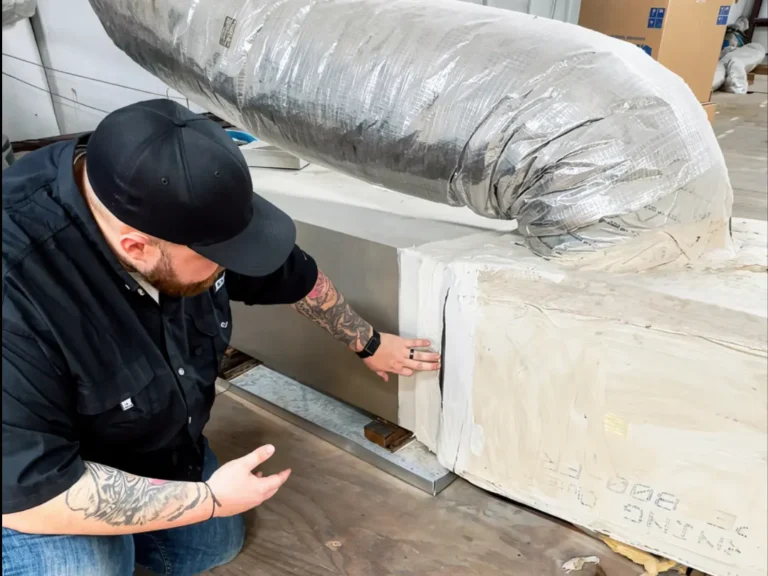
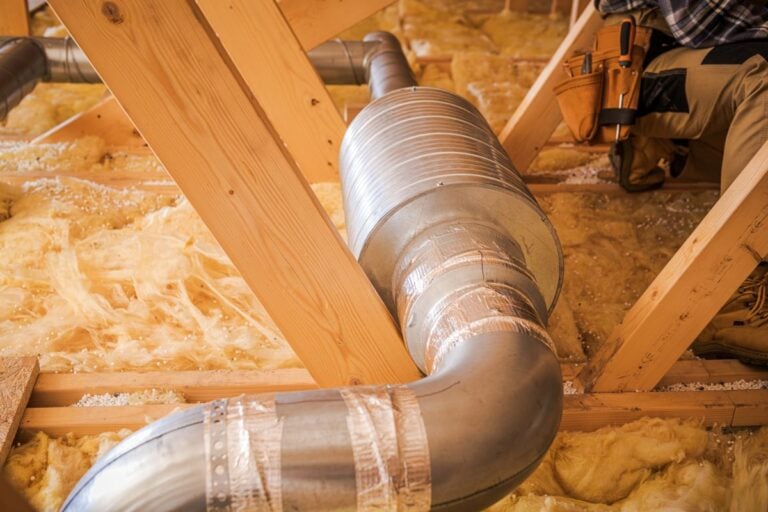
Flexible duct is used in the majority of modern residential HVAC systems, particularly for the branch runs that connect the main trunk line to individual room registers. This material is constructed from a thin plastic inner liner stretched over a wire coil, surrounded by fiberglass insulation, and wrapped in an outer jacket. It is functional under normal operating conditions but has almost no resistance to puncture or tearing when a rigid tool is pushed through it without precise knowledge of the duct’s routing, bends, and structural limitations.
A single tear in a flex duct section eliminates the air seal for that entire duct run, allowing conditioned air to escape into the unconditioned space surrounding the duct rather than reaching the room it was intended to serve. This directly raises energy costs and reduces comfort in the affected room, and the damage is invisible without a camera inspection.
- Many flex duct tears from DIY cleaning attempts are never identified because they occur in the attic or crawl space where homeowners rarely look after the cleaning is complete
- A torn flex duct section in an attic during summer can allow extreme heat into the supply airstream, raising the temperature of conditioned air before it ever reaches the vent
- Repairing torn flex duct requires either professional patching or full section replacement, both of which cost more than a professional cleaning would have
3. Damaging Internal Duct Board Liner
Older homes and many duct systems use duct board construction, where the duct walls themselves are made from rigid fiberglass insulation board. This material is effective at its intended function but becomes increasingly brittle with age. Aggressive brushing or vacuuming inside a duct board system can fracture the liner surface and release fiberglass fibers directly into the airstream. These fibers are a serious respiratory irritant and, once the duct board surface is compromised, the material loses both its insulating effectiveness and its ability to maintain an air-sealed duct interior.
4. Pushing Debris Further Into the System
One of the most counterproductive outcomes of consumer air duct cleaning tool use is that it frequently relocates debris rather than removing it. Without sustained negative pressure drawing debris toward a collection point, a brush or vacuum attachment simply dislodges lint, dust, and debris from one section of the duct and moves it to another, often pushing it further from the register opening and deeper into the duct where it is even harder to reach. In some cases, debris pushed past a bend in the duct accumulates in a location where it creates a partial blockage that restricts airflow in ways the homeowner does not immediately notice.
- This outcome is particularly common when homeowners clean supply registers without addressing the return side of the system, which allows debris dislodged from supply ducts to recirculate through the air handler and redeposit throughout the system
- Larger homes with longer duct runs have more interior surface area where relocated debris can settle, making this risk more significant in properties with extensive duct networks
5. Using the Wrong Tool on the Wrong Duct Material

Not all ductwork is the same, and the appropriate cleaning tool and technique vary considerably depending on whether the duct is constructed from sheet metal, flexible duct, duct board, or a combination of materials. A rigid wire brush appropriate for metal duct will tear through the inner liner of flex duct in seconds. A spinning rod brush system used on duct board will scratch and fracture the fiberglass surface immediately. Consumer air duct cleaning tools are almost universally non-specific in their design, and the instructions that come with them rarely address duct material compatibility in any meaningful way.
6. Creating Pressure Imbalances That Stress Duct Connections
Residential duct systems are balanced systems. The pressure relationship between the supply side and the return side is calibrated to the specific HVAC equipment and duct layout of the home. Blocking registers, partially collapsing flex duct sections, or disrupting the return air pathway during a DIY cleaning attempt can create pressure imbalances that cause air to force through weakened duct joints at elevated velocity. Over time, this accelerated air movement can loosen joints that were previously secure, creating air leaks that reduce system efficiency and that may not produce any immediately obvious symptoms.
- Pressure imbalances from DIY cleaning errors are frequently misidentified as HVAC problems requiring expensive equipment repairs
- The duct joint most vulnerable to pressure-related failure is typically located at a transition fitting in an attic or crawl space where it cannot be easily inspected without specialized access
- Correcting a pressure imbalance caused by DIY cleaning often requires a professional duct inspection to identify where the system has been disrupted
7. Voiding HVAC Manufacturer Warranties
Many HVAC manufacturers include language in their warranty terms that requires maintenance to be performed according to specific guidelines and, in some cases, by qualified technicians. If a DIY duct cleaning attempt using consumer tools damages a component of the duct system or air handler, and a subsequent service call reveals that non-standard maintenance was performed, the manufacturer may deny warranty coverage for the resulting repair. For systems still within their warranty period, this outcome can turn an inexpensive cleaning project into a significant out-of-pocket repair expense.
Professional Air Duct Cleaning Tools vs. Consumer Products
Understanding the specific differences between professional-grade air duct cleaning equipment and the consumer products available at hardware stores makes the performance gap between the two approaches concrete and measurable.
- Truck-Mounted Vacuum Systems vs. Shop Vacuums: Professional duct cleaning uses truck-mounted vacuum units capable of generating thousands of cubic feet per minute of suction, creating true negative pressure throughout the duct system. The most powerful shop vacuums available to consumers generate a fraction of this suction and cannot maintain negative pressure across an entire residential duct network.
- HEPA Collection Systems vs. Standard Filters: Professional equipment captures dislodged particles through HEPA filtration rated to trap particles as small as 0.3 microns, including fine mold spores, bacteria, and allergens. Most consumer vacuums exhaust these particles back into the air rather than capturing them.
- Powered Rotary Brush Systems vs. Hand-Rotated Kits: Professional technicians use powered rotary brush systems that can be matched to the specific diameter and material type of each duct section and that deliver consistent agitation force throughout the full length of the duct run. Consumer brush kits rely on manual rotation and extension rod reach, which produces highly inconsistent results that vary based on the user’s physical ability and the routing of the duct.
- Video Inspection Cameras vs. Flashlight Assessment: Professional duct cleaning includes camera inspection tools that allow technicians to see inside every accessible duct section before and after cleaning. This capability is the only way to confirm that cleaning has actually been effective and that no damage has occurred during the process. Consumer products offer no equivalent assessment capability.
- Pneumatic Whip and Skipper Ball Tools vs. Single Brush Heads: Professional technicians use pneumatic agitation tools including air whips and skipper balls that use compressed air to create turbulent cleaning action throughout the duct interior. These tools dislodge debris that a simple brush head would leave behind and reach into corners, joints, and transitions that a straight brush cannot contact effectively.
How to Decide Whether DIY or Professional Duct Cleaning Is Right for Your Situation
Not every duct situation requires a professional cleaning service, and not every cleaning task is beyond a careful homeowner’s reach. Here is a framework for making that decision accurately based on the specific conditions in your home.
When Limited DIY Maintenance Is Reasonable
For homeowners who want to address visible lint and debris at the register opening itself, removing the grille, vacuuming the first inch or two of the duct with a HEPA shop vacuum, and wiping down the interior of the grille is a reasonable and safe form of light maintenance that can be performed between professional cleanings. This approach does not constitute duct cleaning in any meaningful sense, but it does address the most superficial and accessible layer of debris accumulation without creating meaningful risk of damage to the duct system.
When Professional Cleaning Is Necessary
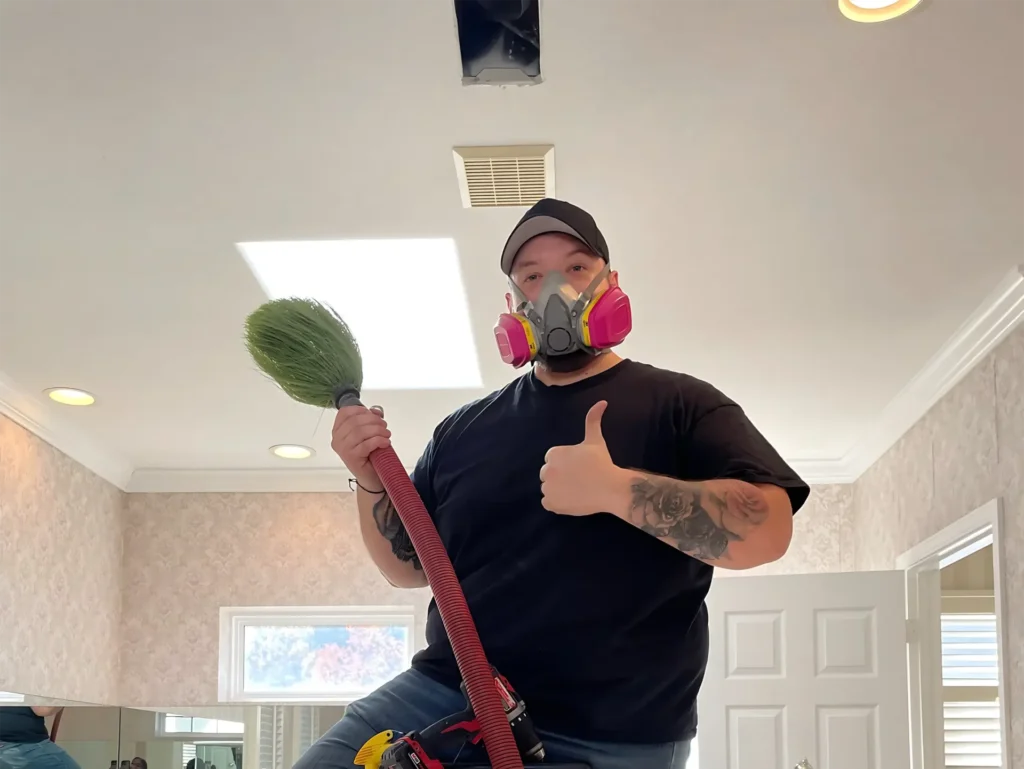
There are specific circumstances where attempting any DIY intervention in the duct system is inadvisable and where professional cleaning is the only appropriate response. These include any situation where mold is suspected or has been confirmed inside the ductwork, any home that has not had its ducts professionally cleaned in more than five years, any system where airflow has noticeably declined, and any home that has recently undergone renovation or construction work that may have introduced dust and debris into the duct system.
Questions to Ask Before Picking Up a Consumer Tool
| Question | If the Answer Is Yes | Recommended Action |
| Is your duct run longer than 15 feet? | Likely yes in most homes | Consumer tools cannot reach effectively |
| Do you suspect mold inside the ducts? | Any musty smell is a signal | Stop, call a professional immediately |
| Is your ductwork made of flex duct? | Common in homes built after 1980 | High puncture risk with rigid tools |
| Has your system gone more than 5 years without cleaning? | Heavy buildup likely present | Professional cleaning needed |
| Does anyone in your home have respiratory conditions? | Asthma, allergies, COPD | Elevated risk from DIY disturbance |
| Is your home in a high-humidity area? | Saint Helena and surrounding areas qualify | Mold risk is elevated, inspection first |
Get the Right Tools and the Right Team on Your Side
Consumer air duct cleaning tools have a narrow and specific appropriate use, and that use does not include performing a thorough, safe, or complete cleaning of a residential duct system. The seven risks covered in this guide are not edge cases or unlikely outcomes. They are the predictable results of applying the wrong equipment to a job that requires professional-grade tools, trained technique, and system-specific knowledge that no retail product can substitute for. The cost of correcting a DIY cleaning gone wrong consistently exceeds what a professional cleaning would have cost in the first place.
Pro Shine Professional Cleaning serves homeowners throughout Saint Helena and surrounding areas with thorough, camera-verified duct inspections and professional cleaning that uses commercial-grade equipment to safely and completely address the entire duct system from return to supply. Our team identifies what is actually inside your ducts before any tools enter the system, cleans with the right equipment for your specific duct materials, and confirms the results with a post-cleaning inspection that gives you documentation you can rely on. Contact us today to schedule your inspection and find out exactly what your duct system needs.

Clean Air Is Just A Call Away!