Does Air Duct Cleaning Really Work? 5 Expert Insights
It is a fair question, and it deserves more than a confident shrug in either direction. Does air duct cleaning really work is a topic that generates strong opinions from people who have had great experiences, people who felt like they wasted money, and HVAC professionals who have spent careers watching both outcomes play out. The difference between those outcomes almost never comes down to whether duct cleaning as a practice is valid. It comes down to specifics. Keeping your system in good shape means thinking about the full picture of what clean air systems actually deliver rather than any single service in isolation.
In this guide, you will learn:
- Why the debate around air duct cleaning persists and what it consistently gets wrong
- 5 expert insights that cut through the noise and answer the question honestly
- The right questions to ask any duct cleaning provider before you hire them
- What duct cleaning cannot fix and what to do instead in those situations
- How duct cleaning fits into a broader preventive maintenance strategy
- What results you can realistically expect and how to verify them
Why the Debate Around Air Ducts and Air Quality Gets the Question Wrong
The conversation around whether air duct cleaning works has been stuck in the same loop for decades because it keeps treating the question as a binary one. Either duct cleaning works or it does not. Either it is a worthwhile investment or it is a service sold to people who do not know better. Neither framing is useful because neither reflects how mechanical systems actually behave in the real world. A better frame is this: duct cleaning produces real, measurable results under specific conditions when performed to a defined standard by qualified technicians with appropriate equipment.
Ridgeland and surrounding areas present a real-world mix of home ages, system types, and maintenance histories where that nuance matters. An older home with decades of accumulated buildup and no cleaning history is not in the same conversation as a recently serviced property with consistent preventive maintenance. Applying a single answer to both situations does not serve either homeowner, and any provider who does not acknowledge that difference in their initial assessment should raise questions about their approach.
- The Question Is Always About Specifics: Duct cleaning is not a universal recommendation or a universal waste. The value of any given cleaning depends on the condition of the specific system, the type of contamination present, the equipment used, and whether the conditions that caused the problem are being corrected alongside the cleaning.
- Provider Quality Drives Outcome More Than Anything Else: The majority of negative experiences with duct cleaning trace back to providers who used inadequate equipment, cleaned only the accessible register areas without addressing the full system, or failed to account for the air handler and coil components that re-contaminate a cleaned duct system within weeks.
- The Research Supports Targeted Cleaning: Regulatory and industry guidance from the EPA and NADCA consistently supports duct cleaning when specific conditions are documented, including visible mold, pest infiltration, and significant debris accumulation that verifiably restricts airflow. What neither body supports is cleaning as a routine measure applied to all buildings regardless of condition.
- Marketing Has Clouded the Conversation: Some providers have oversold duct cleaning as a solution to every air quality, efficiency, and odor complaint a building can have. The backlash from that overselling has led some building owners to dismiss a genuinely valuable service when it is actually indicated. Both extremes leave clients making decisions without the information they need.
5 Expert Insights That Give You a Clear Answer About Duct Cleaning Services
Getting a straight answer on whether duct cleaning really works requires cutting through the generalities on both sides and getting to the factors that actually determine outcomes. These five insights are grounded in how experienced HVAC professionals think about this question when they are being honest rather than selling something.
1. The Difference Between Cleaning and Treating Duct Contamination
These terms are used interchangeably in the consumer market and they are not the same thing, and confusing them is one of the most common reasons building owners end up disappointed with duct cleaning results. Cleaning removes physical debris from duct surfaces through mechanical agitation and high-powered vacuum collection. Sanitizing applies antimicrobial agents to treated surfaces to reduce biological contamination. Both may be appropriate for a given system, but they address different problems and should be evaluated separately.
A system with visible mold growth needs a cleaning that includes both mechanical removal of the contamination and post-cleaning antimicrobial treatment. A system with heavy dust accumulation but no biological contamination needs thorough mechanical cleaning but may not require chemical treatment. A provider who automatically includes or excludes one without assessing the actual condition of the system is applying a template rather than a solution.
- Antimicrobial fogging or spraying applied to ductwork without adequate mechanical cleaning first is applying chemistry on top of contamination, which does not resolve the underlying problem and provides only temporary suppression
- Post-cleaning antimicrobial treatment without correcting the moisture source that allowed mold to grow will result in regrowth in a relatively short time
- In Ridgeland and surrounding areas, where high humidity creates persistent moisture conditions inside duct systems year-round, the distinction between mechanical cleaning and biological treatment is particularly important to get right
2. How Duct Materials and System Design Affect Whether Cleaning Is Worthwhile
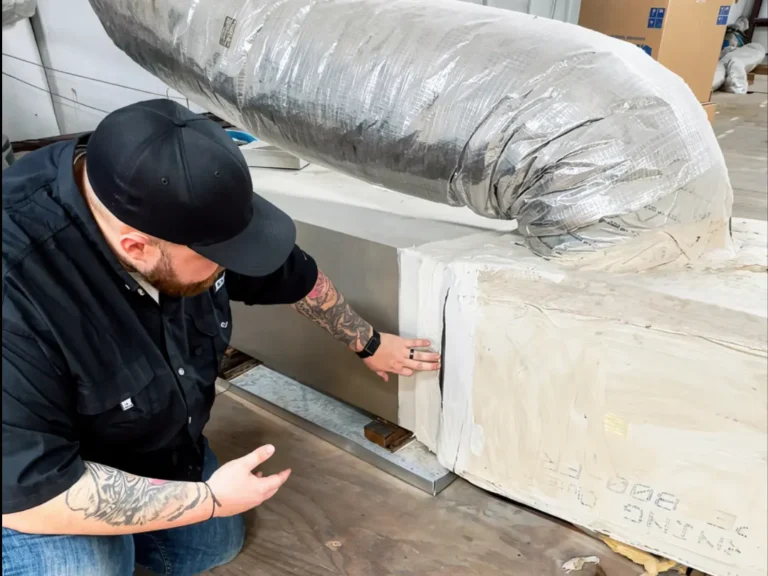
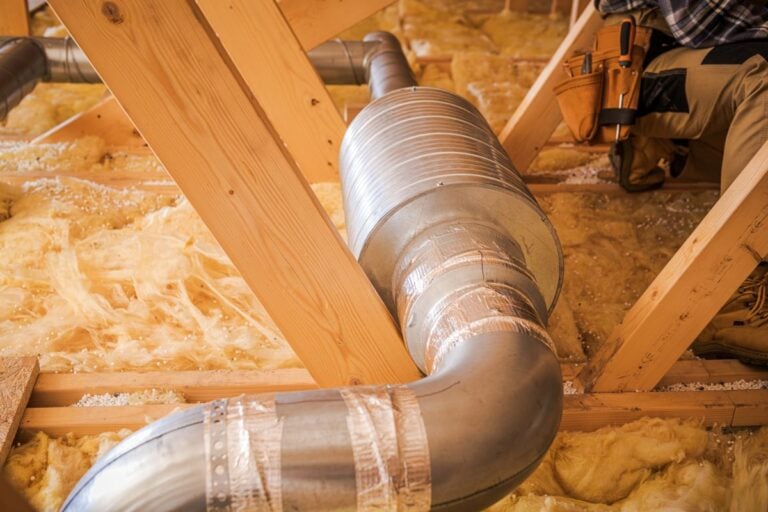
Not all duct systems are equally cleanable, and the design of the system has a significant impact on whether a cleaning can achieve meaningful, verifiable results throughout the network. A system with long, straight metal duct runs and accessible clean-out points is a fundamentally different cleaning project than a system with extensive flex duct, multiple tight bends, and sections routed through spaces that cannot be accessed without opening finished walls or ceilings.
For systems with complex routing and limited access, an honest pre-cleaning assessment should tell you which sections of the duct network can actually be cleaned to standard and which cannot. A cleaning that covers 60 percent of the system because 40 percent is inaccessible may still be worthwhile, but it should be represented accurately rather than presented as a comprehensive cleaning when the scope is inherently limited.
- Flex duct sections are more prone to damage during aggressive cleaning approaches and require technicians who adjust their methods accordingly, using appropriate agitation tools rather than applying the same technique used on rigid metal ductwork
- Older buildings with duct board construction require particularly careful assessment before cleaning, as brittle duct board surfaces can release fiberglass material into the airstream if cleaning is too aggressive
- Systems with bypass zones, variable air volume boxes, or complex multi-zone configurations require technicians who understand commercial HVAC design, not just residential duct cleaning technique
3. What Your Household Situation Tells You About Air Quality and Cleaning Frequency

Household conditions have a direct impact on how quickly duct systems accumulate the kind of contamination that warrants cleaning and what type of contamination it is. A home with pets generates dander and fine hair particles that enter the return air stream with every HVAC cycle. A household with allergy or asthma sufferers has air quality concerns and cleanliness standards that benefit from more frequent attention. A recently renovated home introduces construction debris into the duct system that prior maintenance records do not account for.
Understanding your home’s specific situation and how it affects the contamination profile of your duct system is the first step toward knowing whether cleaning is genuinely overdue or appropriately deferred. In Ridgeland and surrounding areas, the mix of older homes, high-humidity conditions, and year-round HVAC use means that a one-size-fits-all cleaning recommendation is almost never the right starting point.
- Homes with one or more pets typically accumulate meaningful dander and debris inside their duct systems within two to three years, making a shorter cleaning interval more appropriate than the standard five-year recommendation for pet-free households
- Households with allergy or asthma sufferers benefit from more frequent cleaning because the health impact of accumulated duct contamination is measurably greater for sensitive individuals than for otherwise healthy adults
- Homes that have undergone renovation should be treated as post-construction cleaning candidates regardless of prior cleaning history, as construction debris enters duct systems during work and is not addressed by any previous maintenance record
4. How to Verify That Duct Cleaning Services Actually Delivered Results
This is the insight that most duct cleaning conversations skip entirely, and it is one of the most important. A cleaning that cannot be verified through documentation and measurable system performance outcomes is a cleaning that you are accepting on faith. For any significant investment in mechanical system maintenance, that is not an acceptable standard, and the industry provides better tools than visual inspection of collected debris.
NADCA’s ACR Standard specifies that visual inspection using a camera tool or inspection mirror should be used to verify the cleanliness of all accessible interior duct surfaces after cleaning. Airflow measurement at supply registers before and after cleaning provides a performance data point that reflects whether the cleaning improved distribution. For systems with significant biological contamination, ATP testing before and after provides a quantifiable microbial load comparison.
- Before-and-after photography of debris collected is a marketing tool, not a verification method. What matters is the condition of the duct interior and the measured performance of the system, not how much material was removed
- Any provider who cannot describe their post-cleaning verification method before the work begins is not operating to the standard that produces accountable results
- For homeowners making cleaning decisions as part of a consistent home maintenance routine, written documentation of cleaning scope, findings, and post-cleaning verification is the standard of service they should expect and demand
5. How Air Filter Selection and Duct Cleaning Work Together in Preventive Maintenance
Duct cleaning is not a standalone solution. It is a component of a maintenance strategy, and its effectiveness depends heavily on what else is happening in the maintenance program surrounding it. A system that receives a thorough duct cleaning and then returns to deferred filter changes, neglected coil maintenance, and unaddressed moisture problems will return to a degraded state at a rate that makes the cleaning investment feel like it did not work, even when the cleaning itself was performed correctly.
The most effective framing for duct cleaning is as a reset that establishes a cleaner baseline, combined with a maintenance program that sustains that baseline over time. That program includes appropriate filter selection and change frequency, regular coil cleaning, drain pan inspection and treatment, air handler cabinet cleaning, and a monitoring approach that identifies when the next cleaning is warranted based on actual system condition rather than a fixed calendar interval.
- For homeowners, integrating duct cleaning into a consistent home maintenance schedule produces better long-term results at lower total cost than treating it as a reactive fix triggered only by visible problems or system failures
- Filter upgrades after cleaning extend the interval before significant debris re-accumulation occurs in the duct system, making filter selection one of the highest-leverage decisions following any professional duct cleaning service
- Homes managed with a consistent preventive maintenance approach typically require less frequent duct cleaning than those managed reactively, because the upstream factors that accelerate contamination are being addressed consistently
The Right Questions to Ask Duct Cleaning Companies and Duct Cleaners Before You Hire
Knowing what to ask a provider before signing anything is one of the most practical things this guide can give you. The answers to these questions tell you more about whether a cleaning will produce real results than any marketing materials will.
- What equipment do you use, and what vacuum capacity does it provide? Source-removal cleaning requires high-powered equipment. A provider who cannot give you specific information about their vacuum system and the negative pressure level it maintains is not operating to NADCA standard.
- Will you clean the air handler, coil, and drain pan, or only the duct runs? A complete system cleaning includes the mechanical components connected to the ductwork. A scope limited to duct runs alone leaves the primary re-contamination sources in place.
- How do you verify the cleaning was effective? Ask specifically about post-cleaning inspection methods and whether they use camera tools to confirm interior duct surface cleanliness.
- What will you do if you find mold or structural damage inside the ducts? A provider who can only proceed with standard cleaning regardless of what they find is not equipped to handle the full range of conditions they might encounter.
- Can you provide written documentation of what was found and what was done? Any credible provider should be able to deliver a written service record that includes pre-cleaning system condition, scope of work performed, and post-cleaning verification results.
- Do you carry NADCA certification? NADCA certification is not the only marker of a qualified provider, but it is the most widely recognized industry credential for this specific type of work and indicates that technicians have been trained and tested against the ACR Standard.
What Duct Cleaning Services Cannot Fix in Your Air Ducts and What to Do Instead
Part of answering whether air duct cleaning really works honestly is being clear about the things it is not designed to address, so you do not end up disappointed when cleaning does not solve a problem it was never going to solve.
When Duct Cleaning Is Not the Answer
If your building has airflow imbalances where some rooms or zones consistently receive insufficient conditioned air, the cause is almost certainly not duct contamination. Airflow problems trace to duct sizing, system design, damper adjustment, equipment sizing relative to the load, or duct leakage rather than debris accumulation. Cleaning a properly sized, balanced system will not improve its airflow distribution.
If odors in the building persist after cleaning, the source is likely not the duct system itself. Duct systems carry and amplify odors from their sources, but they rarely generate odors independently except in cases of significant mold growth or animal infiltration. Cleaning the ducts will not eliminate an odor whose source is a water-damaged building material, a plumbing problem, or occupant behavior inside the space.
Matching the Problem to the Right Solution
| Symptom | Duct Cleaning Helps? | Actual Solution |
| Dust accumulation on surfaces | Sometimes | Cleaning plus filter upgrade |
| Uneven room temperatures | No | System balancing or equipment assessment |
| Musty odor from vents | Yes, if mold is present | Cleaning with antimicrobial treatment |
| High energy bills | Sometimes | Full system efficiency assessment |
| Allergy or respiratory complaints | Depends on cause | Air quality testing first |
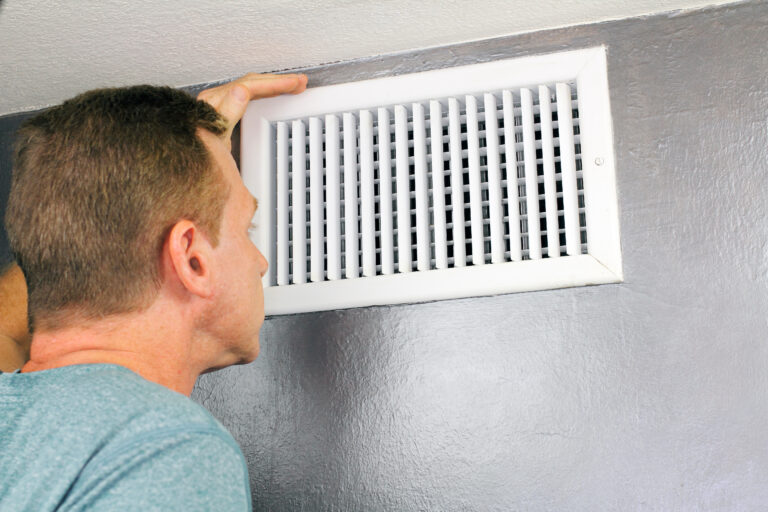
| Visible debris at registers | Yes | Full source-removal cleaning |
| Persistent odor after cleaning | No | Identify and remediate the source |
Get the Right Answer About Your Air Ducts From a Team That Knows the Work
Pro Shine Professional Cleaning has been helping homeowners throughout Ridgeland and surrounding areas get honest, straight answers about their duct systems rather than the one-size-fits-all recommendations that leave too many people either oversold or underprepared. We do not recommend cleaning when the system does not warrant it, and we do not hold back when it genuinely does. When a homeowner asks whether duct cleaning will make a real difference for their home, the right answer starts with looking at the actual system in front of us. Everything else is generality.
If you have been sitting with this question and want a clear, honest answer for your specific home, contact us today and let us take a look. We will tell you what we find, explain what it means, and give you a recommendation you can act on with confidence.
Clean Air Is Just A Call Away!