Can Air Duct Cleaning Cause Damage? 7 DIY Dangers To Avoid
Duct cleaning is widely recommended for better indoor air quality, but it is not without real risk when done incorrectly. Whether can air duct cleaning cause damage is one of the most important questions a homeowner can ask before anyone touches their system. The honest answer is yes, it absolutely can. The wrong equipment, untrained hands, or a rushed approach can tear duct lining, scatter harmful contaminants, and leave your HVAC system worse off than before. Knowing what responsible, whole-home air treatment looks like can save you from a costly mistake.
In this guide, you will learn:
- The real ways improper duct cleaning can cause lasting damage to your system
- 7 specific DIY dangers every homeowner should understand before attempting duct work
- How to recognize whether damage has already occurred inside your ducts
- What a properly executed professional duct cleaning actually involves
- How to vet a duct cleaning company and avoid scams or shoddy work
- What to do if you suspect your system has been damaged by a previous cleaning
The Real Answer: Yes, Duct Cleaning Can Cause Damage

When duct cleaning goes wrong, the consequences range from minor inefficiencies to significant structural damage inside your HVAC system. This is not a scare tactic. It is a reality that homeowners in Beaufort and surrounding areas deal with every year after hiring unqualified providers or attempting to clean their own systems without proper knowledge or tools.
Understanding the specific types of damage that improper cleaning can cause helps you make smarter decisions about who you allow near your ductwork and what standards you should expect from any cleaning process.
- Torn or Punctured Flexible Ductwork: Modern homes often use flexible duct, which is made of a thin plastic material stretched over a wire coil and wrapped in insulation. This material tears easily when stiff brushes or sharp tools are inserted aggressively without proper technique, creating air leaks that reduce system efficiency and allow unfiltered air to enter the duct stream.
- Dislodged or Compressed Duct Insulation: Many duct systems have internal or external insulation that regulates temperature and prevents condensation. Aggressive cleaning methods can compress, tear, or dislodge this insulation, reducing its effectiveness and raising your energy bills without any obvious visible indicator.
- Spore and Contaminant Release: If mold, bacteria, or significant debris is present in the ductwork, disturbing it without proper containment sends those contaminants directly into your living spaces in concentrated amounts. This can trigger immediate health reactions and spread contamination far beyond the original affected zone.
- Damage to HVAC Components: The air handler, evaporator coil, and blower motor are all connected to your duct system. Inexperienced cleaning that does not account for the relationship between duct sections and mechanical components can dislodge connections, bend fragile coil fins, or introduce debris into components that are expensive to repair or replace.
- Worsened Airflow and System Performance: Even without visible physical damage, improper cleaning that leaves debris pushed further into the system or disturbs seals around duct joints can reduce airflow, cause pressure imbalances, and force your HVAC to work harder, shortening its overall lifespan.
7 DIY Dangers to Avoid When Cleaning Air Ducts
Attempting to clean your own air ducts is understandable in theory. Online guides make it look manageable, and the motivation to save money is real. But the gap between what DIY tutorials show and what is actually happening inside your duct system is significant. Here are the seven most common DIY mistakes that lead directly to damage, and why each one is harder to avoid than it might appear.
1. Using a Standard Shop Vacuum Instead of Rated Equipment
A regular shop vacuum does not have the suction power or filtration needed to safely clean residential ductwork. Standard vacuums lack the capacity to create the negative pressure required to pull debris out of long duct runs, and they often lack HEPA filtration, which means fine particles including mold spores, pollen, and dander are simply exhausted back into your home’s air during the cleaning process.
- Professional-grade duct cleaning trucks can generate thousands of cubic feet per minute of suction
- HEPA filtration is essential to prevent aerosolizing contaminants during the cleaning process
- Undersized equipment often pushes debris further into the system rather than removing it
2. Inserting Rigid Brushes Into Flexible Duct Sections
One of the most frequent and damaging DIY mistakes is using a rigid pipe brush inside sections of flexible ductwork. Flex duct has no structural rigidity of its own. Pushing a hard brush through it without knowing exactly where bends, joints, or supported sections are located can easily puncture the inner liner, collapse a section of duct, or separate a connection at a joint, none of which is visible without cutting open the duct or using an inspection camera.
3. Failing to Seal the System Before Beginning
Professional duct cleaning requires the system to be placed under controlled negative pressure so that loosened debris travels toward the vacuum and not into your living spaces. DIY attempts almost never include this step. Without proper system sealing, cleaning one section of ductwork simply relocates dust and debris into other areas of the home, on furniture, in carpets, or recirculated through your HVAC system on its next cycle.
- Professionals seal all registers and returns before beginning work
- Negative pressure is maintained throughout the entire cleaning process
- Opening vents or registers while cleaning without sealing the rest worsens overall contamination
4. Disturbing Duct Board or Internal Insulation Lining
Many older duct systems are constructed of duct board, a rigid fiberglass insulation material that lines the interior of the duct. This material degrades with age and becomes brittle. Aggressive brushing or vacuuming inside duct board systems can fracture the lining and release fiberglass fibers into the air stream. These fibers are a serious respiratory irritant and, once broken down, the duct board loses both its insulating and its air-sealing properties permanently.
5. Ignoring the Return Air Side of the System
Most DIY duct cleaning focuses exclusively on the supply side, the vents that blow conditioned air into rooms. But the return air side, the ducts that pull air back to the HVAC system, is equally important and often far dirtier. Skipping return duct cleaning leaves the largest source of recirculated contamination entirely untouched, and pushing air through a partially cleaned system can actually shift debris from uncleaned return sections into freshly cleaned supply ducts.
- Return ducts typically hold more dust and debris than supply ducts due to airflow direction
- The air handler itself sits between the return and supply and must be included in any thorough cleaning
- Cleaning only one side of the system creates uneven pressure that stresses duct seams and connections
6. Applying Chemical Sprays or Sealants Without Proper Training

Some homeowners reach for commercial duct sprays, fogging products, or sealants sold as DIY solutions to mold or odor problems. These products can cause serious problems when misapplied. Sealants sprayed over dirty duct surfaces trap contaminants underneath rather than eliminating them. Chemical foggers introduced without precise airflow control can coat HVAC components with residue that reduces their effectiveness or voids manufacturer warranties.
7. Cleaning Without First Inspecting for Pre-Existing Damage
Beginning any cleaning process without first inspecting the condition of the ductwork is one of the most overlooked mistakes in DIY duct cleaning. Ducts that already have disconnected sections, holes from pest intrusion, or deteriorated insulation need repair before cleaning, not after. Vacuuming or brushing a system with pre-existing structural problems worsens those problems and can dislodge sections entirely, creating major air leaks hidden inside your walls or ceilings.
How to Tell If Duct Cleaning Has Already Caused Damage
If you have had your ducts cleaned previously and are not sure whether the work was done correctly, there are several indicators worth looking for. These signs apply whether the cleaning was attempted as a DIY project or performed by an unqualified contractor.
- Increased Energy Bills After Cleaning: If your heating and cooling costs went up noticeably following a duct cleaning, it is a strong signal that air leaks were created or worsened during the process. Damaged seams and punctured flex duct allow conditioned air to escape before it reaches the rooms it is meant to serve.
- Uneven Airflow Between Rooms: If some rooms receive noticeably less airflow than they did before, or if certain vents that previously worked well now produce weak output, a disconnected or collapsed duct section is a likely cause.
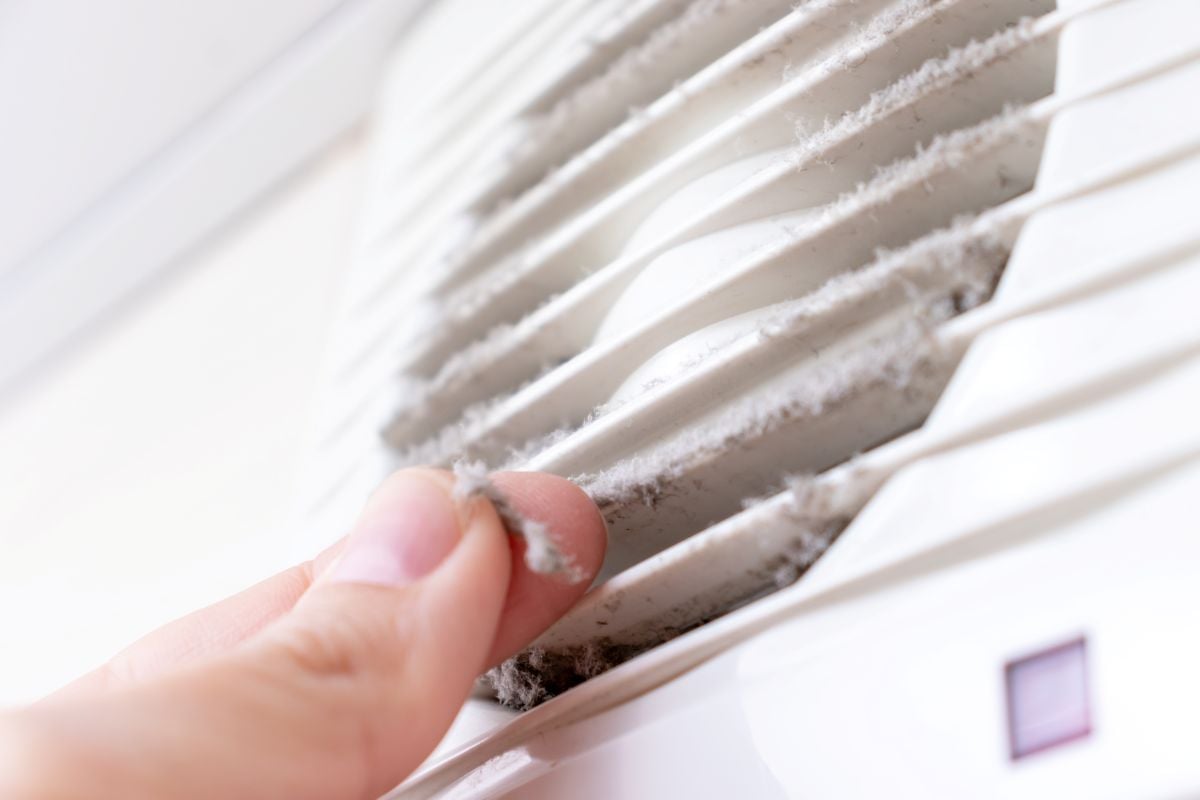
- Dust or Debris Appearing After Cleaning: A quality duct cleaning should result in less visible dust in the home in the days following service. If dusty residue appeared on furniture, floors, or vents immediately after cleaning, it indicates that the cleaning process released rather than removed contaminants.
- Visible Damage Around Vent Openings: Scratched, bent, or warped register grilles and screw holes stripped beyond re-use are common calling cards of rough or hurried duct cleaning work.
- New Musty or Chemical Odors: If unusual smells developed after cleaning, either a musty odor from disturbed mold or a sharp chemical smell from improperly applied sprays, the cleaning process likely caused or amplified a contamination problem rather than solving it.
- Rattling or Whistling Sounds from Vents: Air noise from ducts that were quiet before being cleaned often indicates that a joint has been separated, a duct section has been partially collapsed, or a flex duct has been twisted in a way that restricts airflow.
What a Properly Executed Professional Duct Cleaning Actually Looks Like

Understanding what quality professional duct cleaning should include gives you a reliable benchmark for evaluating any company before you hire them. This is especially important in Beaufort and surrounding areas, where the combination of high humidity and year-round HVAC use means ducts work hard and accumulate buildup faster than in drier climates.
A Thorough Inspection Comes First
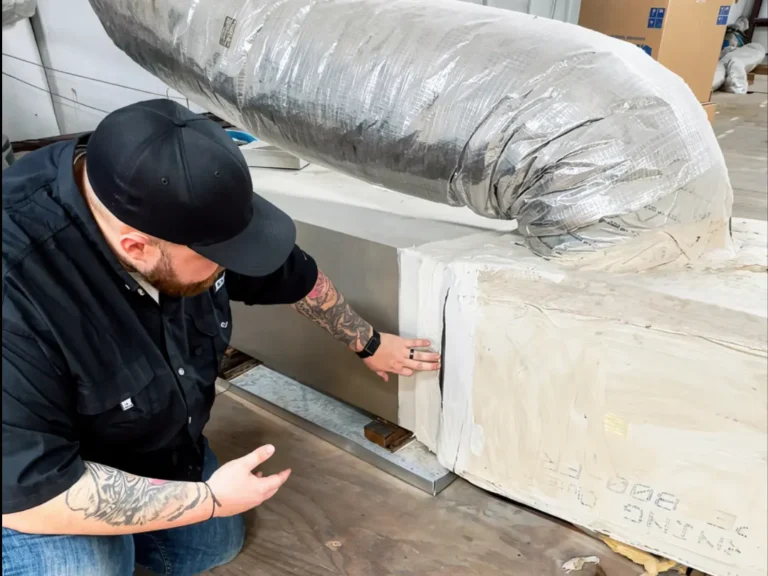
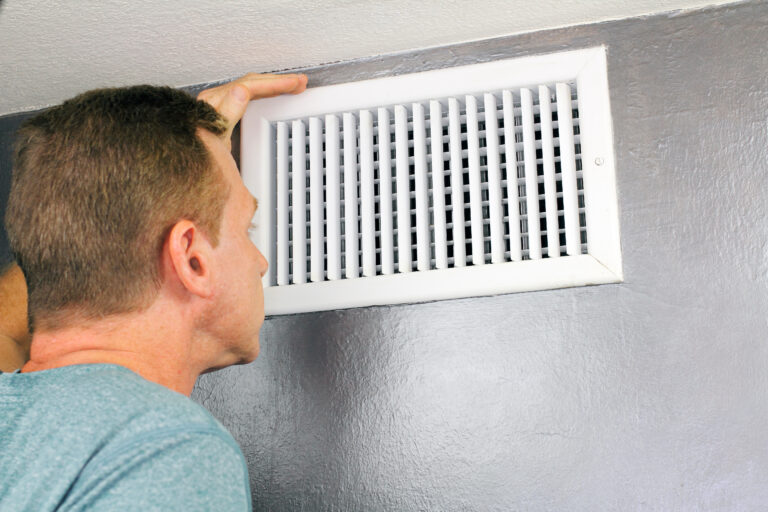
A reputable technician begins every duct cleaning job with a complete visual inspection of the system, ideally with a camera tool that allows a look inside duct sections not visible from the register openings. This inspection identifies pre-existing damage, areas of significant buildup, mold presence, pest intrusion, and insulation condition before any cleaning begins. Any technician who skips this step and goes straight to cleaning is taking shortcuts that put your system at risk.
Proper Equipment and Containment Are Non-Negotiable
Professional duct cleaning uses truck-mounted or high-capacity portable vacuum systems that create true negative pressure throughout the system. All registers are sealed before work begins. Soft-bristle agitation tools are matched to the type of ductwork in use, whether sheet metal, flex duct, or duct board, so that debris is loosened without causing structural damage.
The Entire System Is Addressed, Not Just the Vents
A complete professional cleaning covers supply ducts, return ducts, the air handler cabinet, the evaporator coil area, blower compartment, and all accessible duct connections. Cleaning only the visible register area is the equivalent of vacuuming only the top of a carpet and calling the room clean. The contaminants that affect your air quality are distributed throughout the entire system.
Post-Cleaning Treatment Protects Against Future Buildup
After mechanical cleaning is complete, a properly trained technician will recommend or apply an appropriate antimicrobial or allergen-control treatment to the cleaned duct surfaces. In Beaufort and surrounding areas, where moisture levels encourage rapid microbial regrowth, this step is particularly valuable for extending the time between necessary cleanings and maintaining the results of the service.
Documentation and Transparency Throughout the Process
A trustworthy duct cleaning company shows you what they found before they start and what was removed after they finish. Before-and-after photos, collected debris samples, and a written summary of any damage observed are standard practices for companies that stand behind their work.
Protect Your Home by Getting This Right the First Time
Duct cleaning done right is one of the best investments a homeowner can make in the health and efficiency of their home. Duct cleaning done wrong can cost far more to fix than it would have cost to hire a qualified professional in the first place. Torn ductwork, released contaminants, and damaged HVAC components are real consequences of the DIY dangers covered in this guide, and they happen to homeowners across Beaufort and surrounding areas every year.
Pro Shine Professional Cleaning brings the expertise, professional-grade equipment, and commitment to transparency that every duct cleaning job deserves. Our team inspects thoroughly, cleans completely, and explains every step of the process so you know exactly what was done and why. If you are unsure whether a previous cleaning caused damage, or if you are ready to have the job done correctly for the first time, contact us today and let our team take a look at what is happening inside your system.

Clean Air Is Just A Call Away!