
Where Are Air Ducts in a House? 7 Places to Check
Understanding your home’s hidden infrastructure matters more than most homeowners ever consider. Knowing where are air ducts in a house is not just trivia, it is the foundation for identifying airflow problems, scheduling maintenance, and understanding why certain rooms feel stuffy, dusty, or hard to heat and cool. Your duct system is working around the clock behind your walls and ceilings, and knowing where it lives helps you keep the air moving through your home as clean and efficient as possible. Let this guide be your starting point.
In this guide, you will learn:
- Why understanding your HVAC system layout matters for every homeowner
- 7 specific places in your home where air ducts are commonly found
- How different home designs affect duct placement and accessibility
- What to look for when inspecting your air vents and duct areas
- Common indoor air quality problems that hide in each duct location
- When the condition of your ducts signals it is time for professional duct cleaning
Why Your HVAC System Layout Affects Every Room in Your Home

Most homeowners interact with their HVAC system through the thermostat and the air vents they can see, but the ductwork connecting those two points is what actually determines whether your system delivers on its promise of comfortable, healthy air. Ignoring where your duct system runs means missing the context you need to diagnose problems, plan for maintenance, and protect your investment in your heating and cooling equipment.
Here is why understanding your HVAC system layout pays real dividends as a homeowner:
- Faster Problem Diagnosis: When a room heats or cools inconsistently, knowing where the duct serving it runs gives you a starting point for figuring out whether you have a blockage, a disconnected joint, or a collapsed flex duct section rather than assuming the issue is with the HVAC unit itself.
- Smarter Renovation Planning: Homeowners who know where ductwork is routed can plan home improvement projects without accidentally cutting into, compressing, or blocking duct runs, a costly and surprisingly common mistake during wall or ceiling work.
- Informed Duct Cleaning Scheduling: Understanding which areas of your home contain ductwork, especially those in unconditioned spaces like attics and crawl spaces, helps you recognize why certain locations need more frequent inspection and professional duct cleaning due to the conditions they operate in.
- Better Pest and Moisture Awareness: Duct locations in crawl spaces, basements, and wall cavities are also the locations where moisture intrusion and pest activity tend to occur first. Knowing your duct runs means knowing where to look early for the kinds of damage that quietly degrade your indoor air quality.
- Proactive Indoor Air Quality Management: Identifying every section of your duct system allows you to ensure that professional duct cleaning covers the entire network, not just the visible air vents and the main trunk lines, which is the only way to achieve meaningful, lasting results.
7 Places Air Ducts Are Found in Your Home
Residential duct systems vary considerably depending on the age of the home, its design, the type of HVAC system installed, and the climate it was built for. However, the same core locations appear in the vast majority of homes. Here are the seven most common places to find ductwork and what you should know about each one.
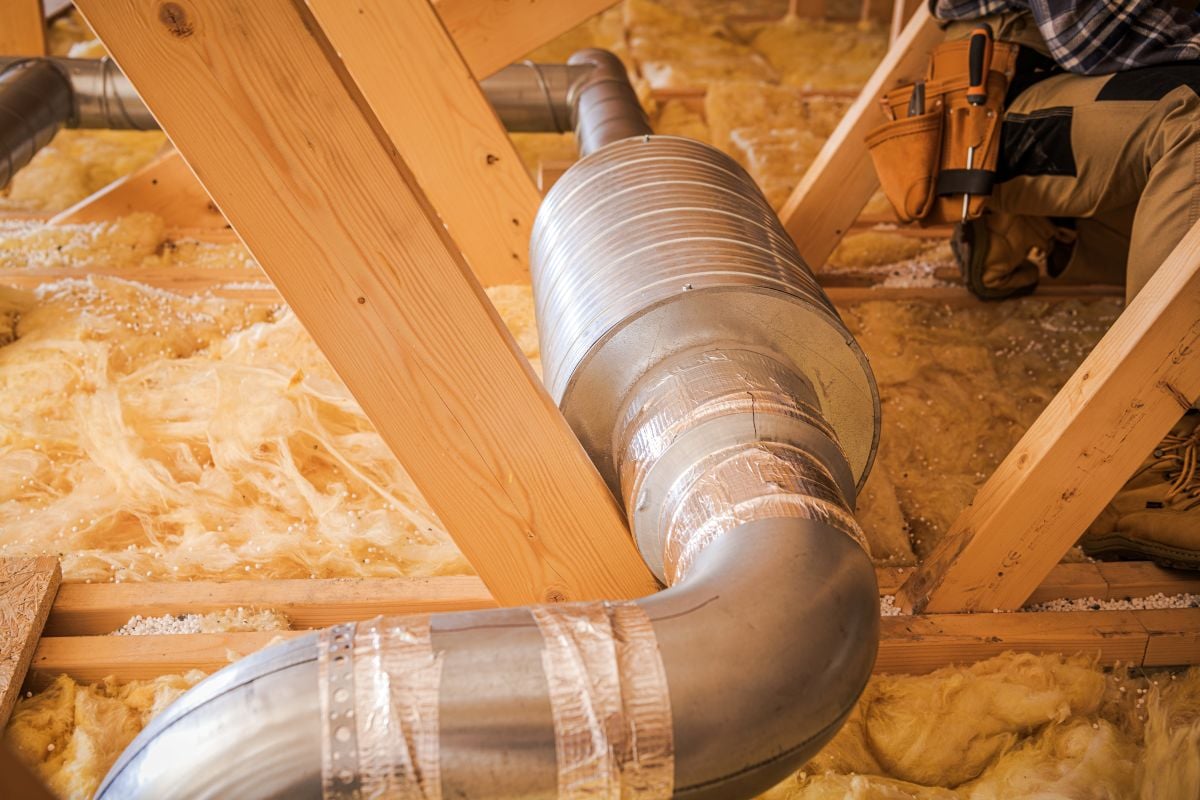
1. The Attic
The attic is one of the most common locations for ductwork in single-story homes and ranch-style houses, particularly in warmer climates where basements are less common. Duct runs in the attic typically branch out from a central supply plenum near the air handler and extend in multiple directions to serve each room below through ceiling air vents.
Attic ductwork presents specific challenges that homeowners and duct cleaning technicians need to account for during inspection and service:
- Flex duct is frequently used in attic installations because it is lightweight and easy to route around obstacles, but it is also prone to sagging, kinking, and tearing over time
- Attic temperatures in summer can exceed 140 degrees Fahrenheit in many regions, which accelerates the degradation of duct insulation and the adhesive used on duct connections
- Pest activity, particularly from rodents, is common in attics and can result in chewed or punctured duct sections that allow conditioned air to escape and contaminants to enter your HVAC system
2. The Crawl Space
Homes built on pier and beam foundations typically route ductwork through the crawl space beneath the house. Supply and return ducts run horizontally through this below-floor area and connect upward through floor air vents in each room. In Hardeeville and surrounding areas, where many homes are built on elevated foundations to manage moisture, crawl space ductwork is particularly common.
Crawl spaces create some of the most challenging conditions for duct cleaning and maintenance:
- High ground moisture levels make crawl space ducts susceptible to condensation on duct surfaces, which encourages mold growth that directly impacts indoor air quality throughout the home
- Limited access height makes inspection and duct cleaning physically demanding and requires specialized equipment to do thoroughly
- Pest and wildlife intrusion is extremely common in crawl spaces, and animals frequently nest inside disconnected duct sections, introducing biological contaminants into the HVAC system
3. Interior Walls
Supply and return ducts often run vertically through the interior wall cavities of a home, connecting the main trunk line in an attic or basement to individual floor or wall air vents on multiple floors. These are among the least visible and most forgotten sections of any HVAC system.
Wall cavity ducts are difficult to inspect without specialized tools and present unique challenges for duct cleaning:
- Older homes sometimes use the stud cavities themselves as return air pathways rather than installing actual duct material, a practice called a panned return that allows insulation fibers, construction debris, and pests to enter the airstream directly
- Any wall penetrations made during renovation work, whether for plumbing, electrical, or new openings, can inadvertently compromise duct connections inside wall cavities
- Wall duct sections are inaccessible for inspection without a camera tool or the removal of drywall, which is why professional inspection cameras are essential for a complete HVAC system evaluation
4. The Basement

In two-story homes and those built on full foundations, the basement is often where the central HVAC system equipment is located and where the main trunk lines of the duct system originate. From the basement, supply ducts branch upward into wall cavities or floor assemblies to serve the floors above, while return ducts draw air back down toward the air handler.
Basement ductwork is generally more accessible than attic or crawl space runs, but it still presents conditions that affect indoor air quality and that homeowners need to monitor:
- Basement humidity can cause condensation on metal duct surfaces, particularly in summer when warm moist air contacts cooler metal, creating conditions that support mold growth
- Unsealed duct joints in a basement allow not only conditioned air to escape but also basement air, which may carry radon, moisture, and other contaminants, to be drawn into the supply stream and distributed through your air vents
- The main trunk lines in a basement accumulate the highest concentrations of settled dust and debris in the entire HVAC system because all return air passes through them before reaching the air handler
5. The Ceiling and Floor Cavities Between Stories
In multi-story homes, duct runs frequently travel horizontally through the floor and ceiling assembly between the first and second floors. These chases allow the HVAC system to distribute conditioned air to upper-level rooms without running all supply ducts back down to the basement or up through the attic. In Hardeeville and surrounding areas, multi-story homes built in master-planned communities often rely heavily on this between-floor routing.
Between-floor duct sections are invisible and inaccessible without opening the ceiling below or the floor above:
- These sections are among the most likely to develop disconnected joints that go undetected for years, quietly venting conditioned air into the floor assembly and reducing the efficiency of your entire HVAC system
- Any moisture intrusion from a plumbing leak in the same floor cavity can rapidly affect nearby duct insulation and encourage mold growth that then circulates through your air vents
- Professional camera inspection is the only way to verify the integrity of between-floor duct sections without destructive investigation
6. The Mechanical Room or Utility Closet
The mechanical room, utility closet, or dedicated HVAC space in your home is where the air handler, furnace, or heat pump indoor unit is located, along with the supply and return plenums that connect the unit to the rest of the duct system. This is the origin point of your entire HVAC system and one of the most critical areas to address during any duct cleaning service.
- The return air plenum, which draws household air back to the HVAC system for reconditioning, is a primary collection point for dust, pet dander, pollen, and other particles that degrade indoor air quality
- The area immediately around the air handler should be kept clear of stored items, which can restrict airflow and contribute debris to the system
- Filters are housed in or near this location and serve as the first line of defense for the entire duct network, which is why the correct filter type and a regular replacement schedule matter significantly for maintaining indoor air quality
7. Exterior-Facing Walls and Soffits
In some home designs, particularly those with limited attic space or flat roof sections, ductwork is routed through exterior-facing wall cavities or through enclosed soffit chases that run along the ceiling perimeter of a room. These locations are used to connect the main duct runs to air vents positioned high on exterior walls or near windows, a placement strategy designed to counteract drafts and improve comfort near the building envelope.
Soffit and exterior wall duct locations come with their own set of considerations for indoor air quality and HVAC system performance:
- These sections of ductwork are adjacent to the building’s thermal envelope and can experience significant temperature swings, making insulation quality critical to preventing energy loss
- Soffit chases are difficult to inspect and clean because of their narrow dimensions and the limited access points they provide during duct cleaning
- Any gaps or cracks in the building envelope near these duct locations can allow outdoor air, moisture, or pests to reach the ductwork and introduce contaminants into your HVAC system
How Home Design Determines Where Your HVAC System Runs

The placement of ductwork in any given home is not random. It follows the structural logic of the building, the requirements of the HVAC system type, and the practices that were standard at the time of construction. Understanding these relationships helps homeowners in Hardeeville and surrounding areas make sense of the systems in their specific homes and plan for duct cleaning accordingly.
Slab Foundation Homes and Attic Duct Systems
Homes built on a concrete slab have no crawl space or basement, which means ductwork must go either up into the attic or through interior wall and ceiling cavities. In warm climates, attic placement is most common, though it comes with the indoor air quality and energy efficiency challenges of operating an HVAC system in an extremely hot unconditioned space for much of the year.
Older Homes With Original HVAC Ductwork
Homes built before the 1980s often have duct systems that were designed for less efficient HVAC equipment and may use duct materials, including asbestos-wrapped ducts in some cases, that require professional assessment before any duct cleaning is performed. Return air pathways in older homes are especially likely to use unlined wall and floor cavities rather than proper duct materials, which has a direct and ongoing impact on indoor air quality.
New Construction and Sealed HVAC Systems
Modern homes built to current energy codes are more likely to have ductwork located within conditioned space, meaning inside the building’s insulated and air-sealed envelope rather than in the attic or crawl space. This design significantly improves energy efficiency and indoor air quality by reducing the temperature extremes that degrade duct materials, but it also makes visual inspection of the ductwork more difficult without professional camera tools.
How to Know When It Is Time to Clean Air Ducts in Your Home
Once you know where to look, a basic visual check of your accessible duct areas and air vents can reveal a surprising amount of useful information. You do not need specialized equipment to identify the most obvious warning signs, though a professional duct cleaning inspection with camera tools will always give you a far more complete picture.
Duct and Air Vent Warning Signs You Can Spot Yourself
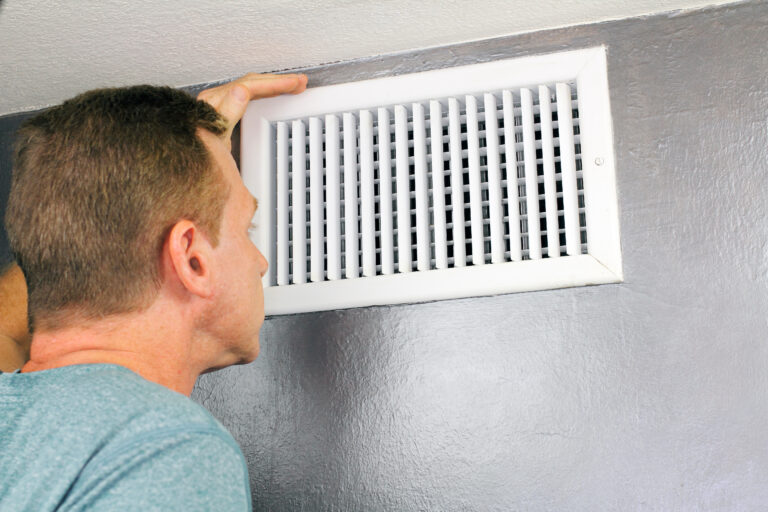
- Dark staining around air vents: Gray or brown staining on the ceiling, wall, or floor immediately surrounding supply air vents is one of the most visible indicators that the duct feeding that register is overloaded with debris. Particles too large to stay airborne settle around the vent opening over time, leaving a visible ring that signals a duct cleaning is overdue.
- Visible disconnections at duct joints: Where two duct sections meet in an accessible area like the attic or basement, check that they are properly secured with no gaps between them. A pulled-apart joint is one of the most common and impactful HVAC system problems in any residential home and one that significantly degrades indoor air quality.
- Torn, kinked, or collapsed flex duct: If your attic or crawl space uses flexible ductwork, look for sections that are sharply bent at angles, lying unsupported on ceiling joists, or showing visible tears in the outer jacket. Any of these conditions restricts or contaminates the airflow reaching your air vents.
- Condensation or moisture on duct surfaces: Any visible moisture on duct surfaces, especially in basement or crawl space locations, suggests an insulation or humidity problem that needs attention before it leads to mold growth inside the HVAC system.
- Uneven airflow between rooms: If some air vents deliver noticeably stronger or weaker airflow than others in similar locations throughout the home, a disconnected duct section, a collapsed flex duct run, or a blockage between those air vents and the main trunk line is the most likely cause.
Take Control of Your HVAC System and Indoor Air Quality
Understanding where your air ducts are located is only useful if that knowledge leads to action. Every section of your HVAC system, from the attic flex runs to the basement trunk lines to the wall cavities you cannot see, contributes to the indoor air quality and comfort of your home. When any part of that network becomes clogged, damaged, or contaminated, it affects every room served by every air vent in the house.
Pro Shine Professional Cleaning serves homeowners throughout Hardeeville and surrounding areas with thorough, transparent duct inspections and professional duct cleaning that covers the entire HVAC system, not just what is easy to reach. Our certified team uses advanced equipment to assess and clean every accessible section of your ductwork, and we show you exactly what we find along the way. Whether you are dealing with airflow problems, declining indoor air quality, or just want the peace of mind of knowing your system is clean, contact us today and let us help you take full control of the air your family breathes every day.

Clean Air Is Just A Call Away!