Mold in Air Ducts (Signs, Health Risks & Removal Tips)
Most homeowners spend time cleaning what they can see, but the hidden passages circulating air throughout your home may be harboring something far more serious. Mold in air ducts develops silently, spreads through every room with each HVAC cycle, and can affect your family’s health long before you ever notice it. Understanding the warning signs of indoor mold exposure and how to respond is one of the most important things any homeowner can know.
In this guide, you will learn:
- The most common warning signs that mold may be living in your ductwork
- What causes mold to grow inside air ducts in the first place
- The real health risks associated with mold circulating through your HVAC system
- How professional mold removal from ductwork actually works
- When to attempt cleaning yourself versus calling in a professional
- What you can do right now to reduce the risk of mold returning
Warning Signs You Likely Have Mold in Your Air Ducts

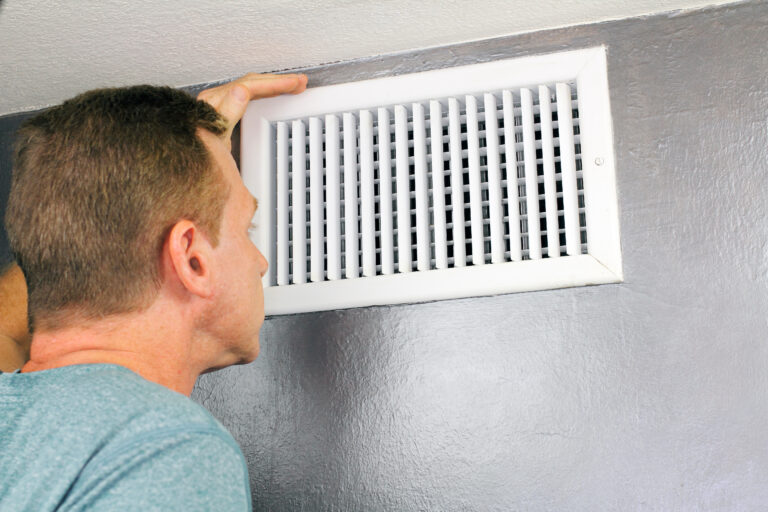
Mold in ductwork is notoriously difficult to detect because it grows in the one place most homeowners never look. By the time visible symptoms appear around vents or on walls near registers, the problem inside the duct system itself may already be significant. Recognizing the early warning signs can help you act quickly before the situation worsens.
Here are the key indicators that mold may be present in your air ducts:
- Musty or Stale Odor When the System Runs: One of the earliest and most reliable signs is a musty smell that appears specifically when your HVAC kicks on. This odor comes directly from mold spores and mycotoxins being pushed through the ducts and into your living spaces with each cycle.
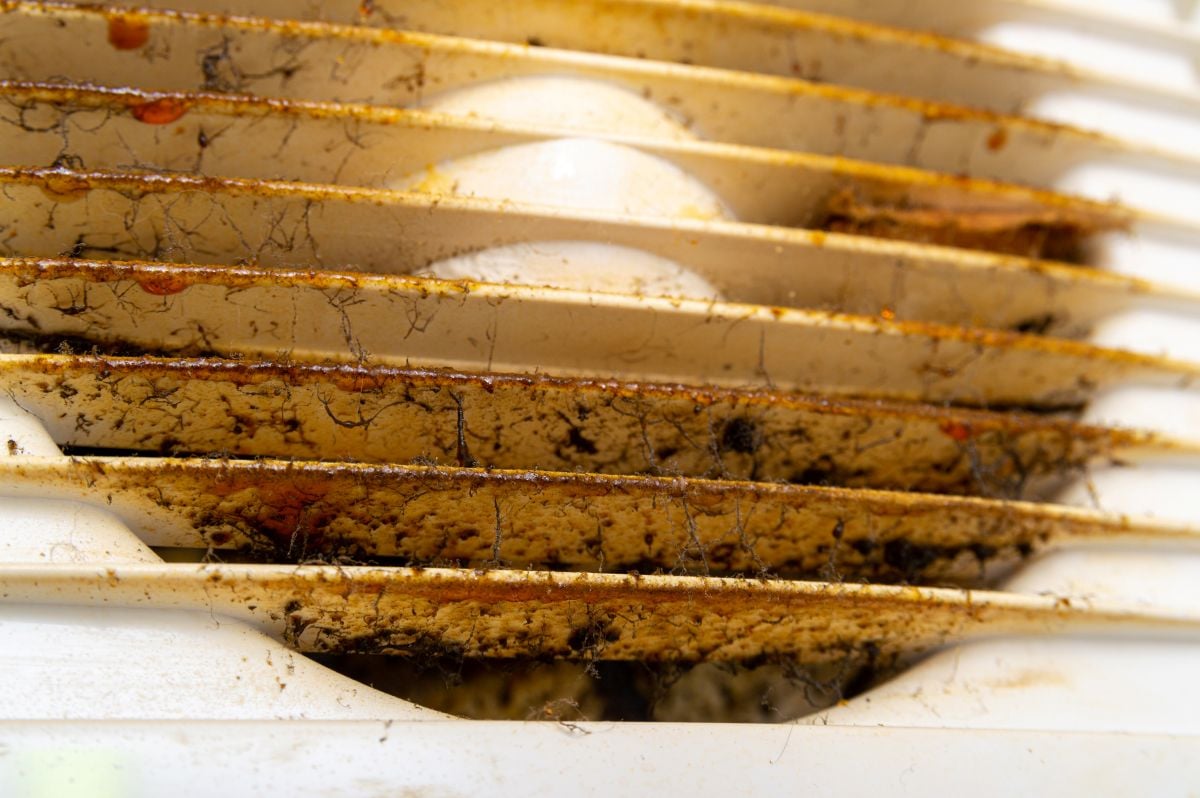
- Visible Dark Spots Around Vents or Registers: Discoloration around the edges of air vents, including dark, green, or black spotting on the grille or the ceiling and wall immediately surrounding it, is a strong visual indicator that mold is present inside the duct nearby.
- Unexplained Allergy or Respiratory Symptoms: If household members are experiencing persistent sneezing, itchy eyes, throat irritation, or worsening asthma symptoms that seem to improve when they leave the home, airborne mold spores are a very likely culprit.
- Frequent Headaches and Fatigue: Prolonged low-level mold exposure can cause neurological symptoms including recurring headaches, difficulty concentrating, and persistent fatigue that does not have an obvious cause.
- Recent Water Damage or Flooding Near the HVAC System: If your home experienced any water intrusion, leaks, or flooding near the air handler, furnace, or ductwork within the past year or two, mold growth inside the system is a serious possibility even without visible signs.
What Causes Mold to Grow Inside Air Ducts
Mold does not appear randomly. It requires a specific set of conditions to take hold and thrive, and residential HVAC ductwork can provide all of them. Understanding what creates those conditions in the first place is key to both removing existing mold and preventing it from returning after treatment.
1. Excess Moisture and Condensation Inside the Duct System
Moisture is the single most essential ingredient for mold growth, and air ducts are surprisingly prone to it. When warm, humid air meets cooler duct surfaces, condensation forms on the interior walls of the ductwork. In climates like Hilton Head Island and surrounding areas, where humidity levels are elevated for most of the year, this condensation cycle happens frequently and creates persistently damp conditions that mold spores love.
- Poorly insulated ducts are far more susceptible to temperature-related condensation
- Ducts that run through unconditioned spaces like attics or crawl spaces are at especially high risk
- Oversized HVAC units that short-cycle do not run long enough to properly dehumidify the air they move
2. Inadequate Ventilation Throughout the Home
When a home lacks proper airflow, moisture accumulates in pockets throughout the duct system and in the spaces the ducts serve. Bathrooms, kitchens, and laundry areas that vent improperly introduce significant amounts of humid air into the home’s circulation, increasing the moisture load that the HVAC system has to manage. Over time, this contributes directly to conditions inside the ductwork that support mold growth.
3. Dirty Air Filters Left in Place Too Long
A clogged or saturated air filter is one of the most overlooked contributors to duct mold. When filters become overloaded with dust and debris, airflow through the system is restricted. Reduced airflow means reduced evaporation of any moisture that accumulates inside the ducts, and accumulated moisture paired with the organic material already present in the dust creates an ideal growing environment for mold.
- Most filters should be replaced every 30 to 90 days depending on household conditions
- Homes with pets, smokers, or residents with allergies need more frequent changes
- Higher-MERV filters trap more particles but must be monitored closely to avoid flow restriction
4. Organic Dust and Debris Buildup in the Ductwork
Mold needs more than moisture to grow. It also needs a food source, and the organic material that accumulates inside dirty ductwork provides exactly that. Dust, pollen, skin cells, pet dander, and other debris coat duct walls over time, giving mold spores everything they need to germinate and spread once moisture is introduced. This is why duct cleaning and mold prevention go hand in hand.
5. Pre-Existing Mold Elsewhere in the Home

If mold is present in your attic, crawl space, basement, or anywhere near your HVAC air handler, it can release spores that enter the duct system through gaps or the return air intake. Those spores then travel through the entire duct network and settle wherever conditions are favorable. In this way, a localized mold problem in one area of your home can become a whole-home air quality issue through your HVAC system.
6. Water Leaks Near or Inside the Air Handler Unit
The air handler and evaporator coil in your HVAC system naturally produce condensation as part of the cooling process. This condensation is supposed to drain away through a condensate drain line. When that drain line becomes clogged or the drain pan overflows, water pools at the base of the unit and in the surrounding ductwork, creating a direct and ongoing moisture source that makes mold growth almost inevitable without prompt attention.
The Health Risks of Breathing Mold-Contaminated Air Every Day
The reason duct mold deserves urgent attention is not just the potential damage to your HVAC equipment. It is the direct and measurable impact on the people living inside the home. Because your duct system pushes air into every room, mold growing inside it creates a whole-home exposure situation that affects everyone, every day, around the clock.
Respiratory Effects
Mold spores and the mycotoxins some molds produce are significant respiratory irritants. Inhaling them regularly can cause or worsen a range of conditions including chronic coughing, wheezing, shortness of breath, and bronchitis. For people who already have asthma or chronic obstructive pulmonary disease, ongoing mold exposure can trigger attacks and cause long-term deterioration in lung function.
Allergic Reactions
Mold is a potent allergen. People with mold sensitivity may experience symptoms nearly identical to seasonal allergies, including runny nose, watery or itchy eyes, sneezing, and skin rashes. What distinguishes mold-triggered reactions is that they occur year-round and tend to be worse indoors, particularly in rooms served by affected ducts.
Immune System Impact
Prolonged exposure to high mold spore counts can suppress and stress the immune system over time, making household members more susceptible to common infections and slower to recover from illness. Young children, the elderly, and anyone with a compromised immune system are at the greatest risk and may experience more severe and faster-developing symptoms than healthy adults.
Neurological and Cognitive Symptoms
Certain mold species, particularly black mold known as Stachybotrys chartarum, produce mycotoxins that have been linked to neurological symptoms including memory difficulties, difficulty concentrating, mood changes, and persistent headaches. These symptoms are often mistaken for stress or other conditions, which makes identifying mold as the source that much harder without professional testing.
How Mold Is Removed from Air Ducts: DIY vs. Professional Treatment
Once mold is confirmed in your ductwork, the next question is how to remove it effectively and prevent it from returning. The answer depends heavily on the extent of the contamination and the type of mold involved. Here is a clear breakdown of what each approach involves and where each one is and is not appropriate.
What DIY Surface Cleaning Can Address
For very minor mold presence limited to accessible vent covers and the outermost portion of duct openings, homeowners can remove grilles, scrub them with a diluted mold-killing solution, and use a vacuum with a HEPA filter to remove surface debris from the visible duct edge. However, this approach has significant limitations.
| Factor | DIY Cleaning | Professional Duct Mold Removal |
| Reach inside ductwork | Very limited | Full system access with specialized tools |
| Mold spore removal | Partial at best | Comprehensive with HEPA equipment |
| Addresses root moisture cause | Rarely | Yes, assessment included |
| Risk of spreading spores | High if done incorrectly | Minimized with containment protocols |
| Treats the entire duct network | No | Yes |
| Lasting results | Short-term only | Long-term with proper follow-up |
What Professional Mold Remediation Involves

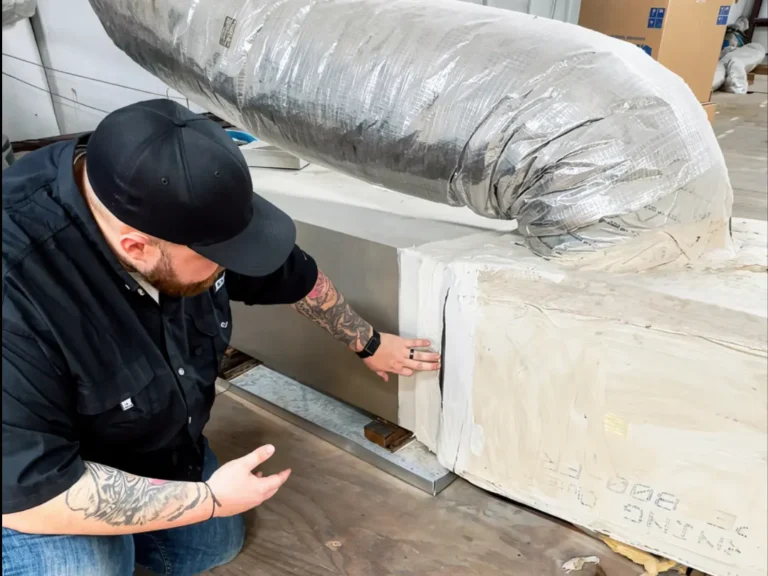
Professional duct mold removal goes far beyond what any homeowner can accomplish with household products. Technicians begin with a thorough inspection of the full duct system to map the extent of the contamination. Specialized negative-pressure equipment is then used to capture mold spores without spreading them through the home during the cleaning process.
Following mechanical cleaning, an antimicrobial treatment is applied throughout the duct system to kill remaining mold at the root level and help prevent regrowth. In Hilton Head Island and surrounding areas, where humidity makes recurring mold a real concern, this treatment step is particularly important for achieving results that last beyond the next rainy season.
After treatment, a qualified technician will also assess and address the underlying moisture issues that allowed mold to develop in the first place, whether that means recommending improved drainage around the air handler, better duct insulation, or a UV light system installed inside the HVAC to continuously suppress mold and bacterial growth.
When You Should Never Attempt DIY Mold Removal
There are specific situations in which attempting to handle duct mold yourself can make the problem significantly worse. If the mold coverage extends more than a few inches inside the duct from the opening, if you suspect black mold, or if anyone in the home has serious respiratory conditions or a compromised immune system, professional remediation is the only responsible path forward. Disturbing a significant mold colony without proper containment can release millions of spores into the air at once, rapidly worsening air quality throughout the entire home.
Do Not Let Mold Stay Hidden Inside Your Home
Mold in ductwork is not a problem that resolves itself or stays contained. It grows, spreads, and compromises the air your family breathes every single day your HVAC system runs. From persistent allergy symptoms to serious long-term respiratory effects, the consequences of leaving it untreated are far too significant to ignore. The good news is that with the right professional support, mold in air ducts can be identified, removed, and prevented from coming back.
Pro Shine Professional Cleaning helps homeowners across Hilton Head Island and surrounding areas take control of their indoor air quality with thorough duct inspections, professional mold removal, and whole-home allergen treatments designed to deliver lasting results. Our team combines honest assessments, transparent pricing, and proven techniques to give you a cleaner, healthier home you can feel confident about every day. If you have noticed any of the warning signs covered in this guide, do not wait for symptoms to get worse. Contact us today and let us help you find out exactly what is circulating through your home and what it will take to fix it.

Clean Air Is Just A Call Away!