
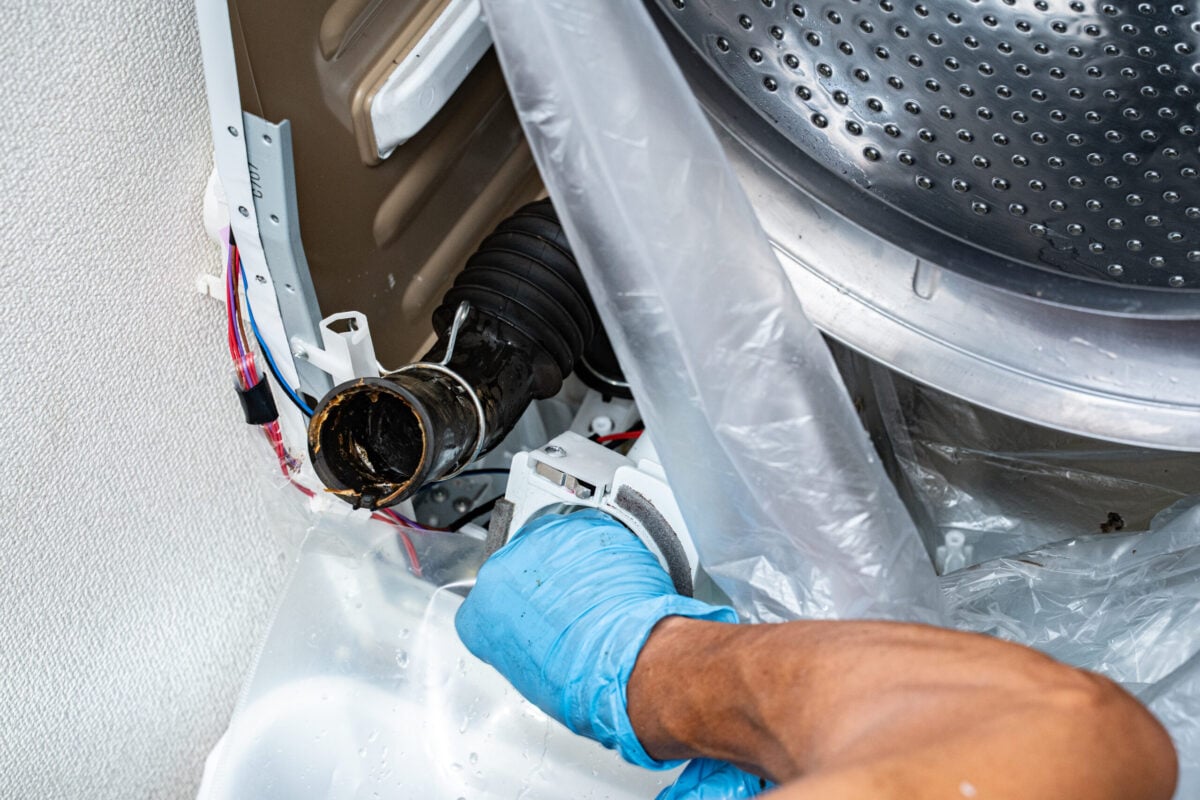
Clogged Dryer Vent: 5 Dangers Homeowners Should Know
Most homeowners assume their dryer is working fine until it stops working altogether. But a clogged dryer vent often sends warning signs long before a breakdown, or worse, a fire. Lint, debris, and restricted airflow build up gradually inside the vent duct until the consequences become impossible to ignore. Knowing what a clear, fully functioning dryer exhaust system looks like helps you recognize when something is wrong before the situation turns dangerous or expensive.
In this guide, you will learn:
- How to recognize the warning signs of a clogged dryer vent before serious damage occurs
- 7 specific dangers that a clogged dryer vent creates in your home
- What causes dryer vents to clog and how quickly it can happen
- How to assess whether your vent situation requires immediate professional attention
- What the right response looks like when you identify a clogged vent
- How to reduce the risk of clogs forming between professional cleanings
How to Tell If Your Dryer Vent Is Clogged

A clogged dryer vent rarely announces itself all at once. Instead, it reveals itself gradually through a set of symptoms that most homeowners attribute to an aging appliance or a heavy laundry load rather than the actual source of the problem. Catching these signs early is the difference between a simple professional cleaning and a full appliance repair, or in the worst cases, a dryer fire. In Lady’s Island and surrounding areas, where year-round humidity accelerates lint accumulation inside vent ducts, these warning signs tend to develop faster than homeowners in drier climates might expect.
Here is what to watch for:
- Clothes Are Still Damp After a Full Cycle: This is the most common and recognizable sign of a clogged dryer vent. When the vent is partially or fully blocked, hot moist air cannot exhaust freely and stays trapped inside the drum, leaving clothes feeling damp, heavy, or warm but not dry at the end of a normal cycle.
- The Dryer Feels Hot to the Touch During Operation: Restricted airflow traps heat inside the appliance. If the top or sides of the dryer are noticeably hot to the touch while running, the internal temperature is climbing higher than it should, which is a direct result of a vent that cannot move air efficiently.
- A Burning Smell When the Dryer Runs: Any burning odor coming from your dryer during operation is a warning that should not be dismissed. This smell typically indicates that lint inside the vent has reached a temperature where it is beginning to scorch. It is one step removed from ignition.
- The Laundry Room Feels More Humid Than Usual: When the vent is blocked, exhaust air that should be exiting through the exterior vent cap has nowhere to go and begins backing up into the laundry area. This raises the humidity level in the room and can contribute to moisture damage on surrounding surfaces.
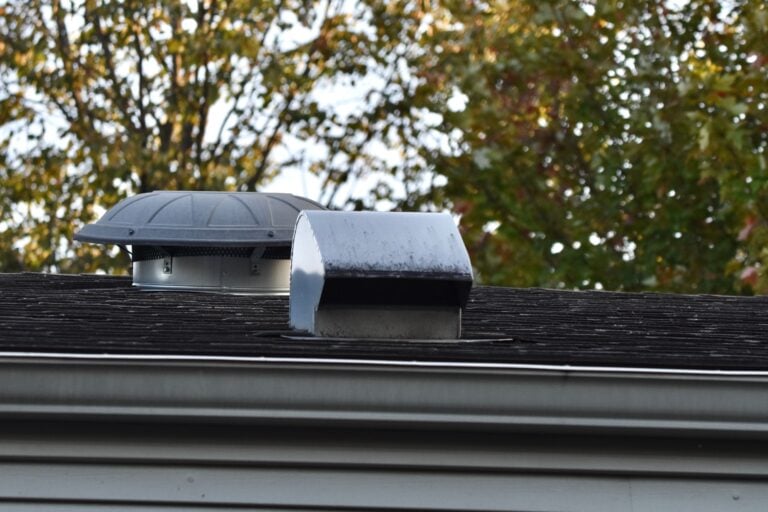
- The Exterior Vent Flap Does Not Open During Operation: Step outside and observe the exterior vent cap while the dryer is running. The flap should open noticeably as air exits. If it barely moves or does not open at all, the vent duct behind it is obstructed and airflow is severely restricted.
5 Dangers of a Clogged Dryer Vent Every Homeowner Should Understand
The dangers of a clogged dryer vent extend well beyond inconvenience or higher energy bills. Each of the seven dangers below represents a real and documented consequence of allowing lint and debris to accumulate inside the dryer exhaust duct without timely attention. Understanding the full picture of what is at stake makes the case for regular vent maintenance far more compelling than a simple reminder to clean the lint trap.
1. House Fire
The most serious danger associated with a clogged dryer vent is also the most important to understand clearly. Lint is one of the most highly combustible household materials, and the heating element inside your dryer reaches temperatures more than sufficient to ignite it. When lint accumulates inside the vent duct, it is continuously exposed to hot exhaust air with every drying cycle. The U.S. Fire Administration reports that dryers cause approximately 2,900 residential fires each year, and failure to clean the dryer vent is identified as the leading contributing factor in the majority of those incidents.
- Dryer fires most commonly originate inside the vent duct rather than inside the appliance itself
- Once lint inside the duct ignites, the fire can travel through the duct pathway and into wall cavities, spreading quickly before it is detected
- Homes with longer vent runs and multiple bends accumulate lint at a faster rate in areas where airflow slows, making them disproportionately vulnerable
2. Carbon Monoxide Poisoning in Gas Dryers
For homes with gas-powered dryers, a clogged dryer vent creates a hazard that goes beyond fire risk. Gas dryers produce combustion byproducts, including carbon monoxide, that must be safely vented to the exterior of the home through the exhaust duct. When that duct is blocked, these gases cannot exit and may begin to back up into the laundry area and adjacent rooms.
Carbon monoxide is colorless, odorless, and impossible to detect without a working carbon monoxide detector. Symptoms of exposure including headache, dizziness, nausea, and confusion are frequently mistaken for common illness, which means the source of the problem often goes unidentified until exposure reaches a dangerous level. Any gas dryer operating through a blocked or partially blocked vent duct is a potential carbon monoxide risk that requires immediate attention.
3. Appliance Breakdown and Costly Repairs
A dryer is designed to operate within a specific temperature and airflow range. When a clogged dryer vent restricts that airflow, the appliance compensates by running hotter and longer to achieve the same drying result, placing mechanical components under sustained stress they were not designed to absorb continuously.
- The thermal fuse, a safety component designed to cut power when the dryer overheats, burns out under repeated activation and must be replaced by a technician
- The heating element degrades faster when forced to cycle at elevated temperatures over extended periods
- The motor, drum belt, and bearings all experience accelerated wear when the appliance runs longer cycles repeatedly due to restricted airflow
- In severe cases, the cost of repairs from sustained heat damage can approach or exceed the cost of appliance replacement
4. Mold Growth in the Vent Duct and Laundry Area

Every drying cycle pushes warm, moisture-laden air through the dryer vent. When that air cannot exit freely due to a clog, it slows inside the duct and the moisture it carries condenses on the interior duct walls. This creates persistently damp conditions inside the duct that are ideal for mold growth. In Lady’s Island and surrounding areas, where outdoor humidity levels are already elevated throughout much of the year, this condensation process inside a restricted dryer vent happens faster and with greater intensity than in drier climates.
Mold established inside the dryer vent duct is not isolated to the duct itself. It produces spores that are carried by any airflow that does move through the system and can spread into the laundry room and adjacent spaces, contributing to indoor air quality problems that affect the entire household.
5. Increased Energy Bills Every Month
A dryer operating through a clogged vent runs longer cycles to dry each load because the moisture being evaporated from the clothes cannot exhaust efficiently. For a household running multiple laundry loads per week, this inefficiency compounds quickly into meaningful monthly increases in electricity or gas consumption. Research from the Department of Energy has shown that a dryer with significantly restricted airflow can consume substantially more energy per cycle than the same appliance operating with a clear vent.
This is a danger that does not create an immediate safety threat, but it represents a steady financial cost that accumulates over months and years without the homeowner ever identifying a clogged dryer vent as the source. Many families assume rising utility costs reflect general rate increases when the actual cause is a maintenance issue that a professional cleaning could resolve in a single visit.
What Causes a Dryer Vent to Clog
Understanding why dryer vents clog helps homeowners take targeted preventive action rather than simply waiting for symptoms to appear. Several distinct factors contribute to clog formation, and in most homes more than one of them is present simultaneously.
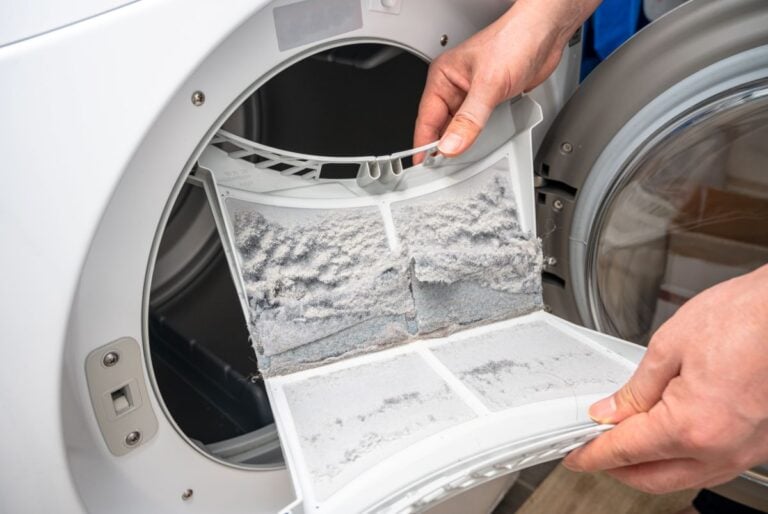
- Lint Escaping the Lint Trap: The lint trap catches the majority of fabric fibers released during a drying cycle, but a meaningful percentage of fine particles bypass the screen with every load. These particles coat the interior walls of the vent duct over time, gradually narrowing the passage through which air must travel.
- Infrequent or Incomplete Lint Trap Cleaning: A lint trap that is not cleared before every load quickly becomes saturated, which forces more lint to bypass the screen and enter the duct. Even homeowners who clean the trap regularly often skip washing the screen itself, allowing a product residue film to build up that also reduces airflow.
- Vent Duct Length and Routing: Longer vent runs and ducts with multiple bends slow the velocity of exhaust airflow, which means lint carried by that airflow settles out of suspension sooner and accumulates more rapidly at bends and transitions. Homes with vent runs exceeding 15 feet or with more than two 90-degree elbows are particularly prone to fast-forming clogs.
- Incorrect Duct Material: Plastic or foil accordion-style transition ducts have ribbed interiors that trap lint at every fold rather than allowing it to travel freely through the duct. These materials were once common in residential installations but are now recognized as a significant contributor to clog formation and fire risk.
- Bird or Pest Nests at the Exterior Cap: As noted above, nesting material introduced through a compromised exterior vent cap can create a sudden and severe blockage that develops entirely independently of lint accumulation inside the duct.
- Damaged or Missing Exterior Vent Cap Flap: An exterior vent cap with a stuck, missing, or damaged flap allows outdoor air to blow back into the duct, which reduces the airflow velocity needed to carry lint through the system and increases the rate at which it settles and accumulates.
How to Respond When You Identify a Clogged Dryer Vent
Recognizing a clogged dryer vent is the first step. Knowing how to respond appropriately based on the severity of the situation is just as important. Not every clog requires the same response, and acting too cautiously can be just as problematic as acting too slowly.
When You Can Address It Yourself
Minor lint accumulation at the accessible end of the vent duct, specifically the section immediately behind the dryer where the flexible transition duct connects to the wall, can often be cleared with a dryer vent brush kit and a vacuum. If the symptoms are mild, the vent run is short and straight, and there is no burning smell or heat buildup, a careful DIY cleaning of the accessible portion of the duct is a reasonable starting point.
When You Need Professional Help Immediately

There are situations where attempting DIY cleaning is not appropriate and professional service should be scheduled without delay. If you have detected any burning smell during dryer operation, stop using the appliance until the vent has been professionally inspected and cleared. A burning odor indicates that lint inside the duct has already reached a scorching temperature, and continuing to run the dryer significantly increases fire risk.
Similarly, if your gas dryer has been running through a suspected clog, have the vent professionally cleared before resuming use and test your carbon monoxide detectors to confirm they are functioning. In Lady’s Island and surrounding areas, professional vent cleaning technicians can typically schedule urgent inspections quickly for homeowners dealing with active safety concerns.
Comparing Your Response Options
| Situation | Recommended Response | Urgency Level |
| Longer drying times only | DIY brush kit or schedule professional | Low to moderate |
| Exterior vent flap not opening | Inspect cap, clear accessible lint, monitor | Moderate |
| Dryer hot to the touch | Stop use, schedule professional cleaning | High |
| Burning smell during operation | Stop use immediately, call professional | Urgent |
| Gas dryer with suspected blockage | Stop use immediately, call professional | Urgent |
| Bird nest at exterior cap | Professional removal and vent clearing | High |
Protect Your Home Before a Clogged Vent Becomes a Crisis
A clogged dryer vent is not a maintenance detail to defer until your next big home project. It is an active and compounding risk that touches fire safety, appliance longevity, indoor air quality, energy costs, and household health in ways that most homeowners do not connect to their dryer until the damage is already done. The seven dangers covered in this guide are not theoretical. They are the real and documented consequences of a vent system that does not receive the attention it requires.
Pro Shine Professional Cleaning serves homeowners throughout Lady’s Island and surrounding areas with expert dryer vent inspections and professional cleaning that reaches the full length of the vent duct, regardless of run length or routing complexity. Our technicians assess the condition of your system before and after service, show you exactly what was removed, and confirm that your vent is exhausting freely and safely before they leave. Do not wait for your dryer to show you something is wrong. Contact us today to schedule your inspection and protect your home from a danger that is completely preventable.

Clean Air Is Just A Call Away!