
How To Clean Dryer Lint Trap? (7 Reasons To Do It Regularly)
Most homeowners do the basics with their dryer, but far too few understand the full picture of dryer maintenance. Knowing how to clean dryer lint trap screens correctly and consistently is one of the simplest things you can do to protect your home from fire, keep your energy bills in check, and extend the life of your appliance. Lint buildup is the leading cause of dryer fires in the United States, and keeping up with lint and airflow maintenance goes a long way toward keeping your household safe.
In this guide, you will learn:
- Why lint trap maintenance is more critical than most people realize
- 7 compelling reasons to clean your lint trap consistently and on schedule
- A clear, step-by-step process for cleaning your lint trap the right way
- How to tell when your lint trap screen has product buildup that needs deeper cleaning
- Why lint trap cleaning alone is not enough to fully protect your home
- The signs that your dryer system needs professional attention beyond what you can do yourself
The Real Risk Behind a Clogged Lint Trap

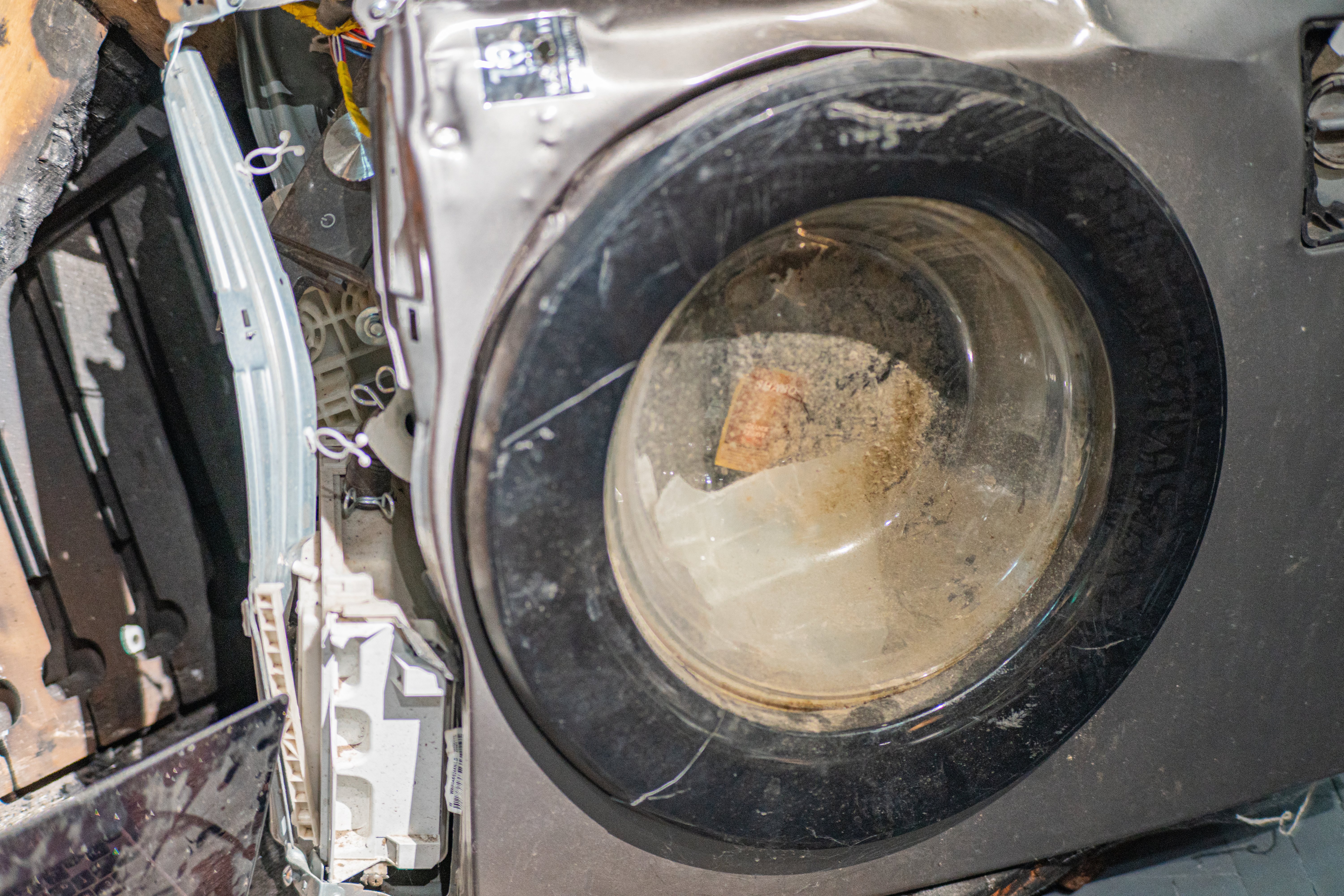
The lint trap in your dryer might seem like a minor detail, but what happens when it is neglected is anything but minor. Lint is highly flammable, and when it accumulates not just on the screen but in the trap housing, the vent duct, and along the appliance’s internal components, it creates a genuine fire hazard that thousands of households experience every single year. In Savannah and surrounding areas, where dryers run year-round due to the humid climate, lint buildup happens faster and poses a more persistent risk than in cooler, drier regions.
Understanding what is actually at stake gives every homeowner a real reason to take this routine task seriously:
- Fire Hazard That Grows With Every Load: The U.S. Fire Administration reports that failure to clean dryers is the leading cause of home dryer fires. Each load adds more lint to the trap and vent pathway, and heat from the dryer element is all that is needed to ignite a significant accumulation.
- Higher Utility Bills Every Month: A clogged lint trap forces your dryer to work harder and run longer cycles to dry the same load of laundry. This translates directly into wasted electricity or gas, costs that add up significantly over the course of a year.
- Shortened Appliance Lifespan: Dryers are designed to operate with proper airflow. Restricted airflow caused by lint buildup increases internal operating temperatures and puts excessive strain on the motor, heating element, and drum bearings, leading to earlier and more frequent repairs.
- Hidden Health Risks: A lint trap that is never washed, only picked clean, can develop a coating of residue from dryer sheets and fabric softeners that allows fine particles to pass through into the air inside your laundry room and home.
- Carbon Monoxide Danger in Gas Dryers: For homes with gas dryers, a blocked lint pathway can impair the combustion exhaust process, creating a risk of carbon monoxide buildup. This is a particularly serious hazard because the gas is colorless and odorless.
7 Reasons to Clean Your Dryer Lint Trap Regularly
The case for regular lint trap cleaning goes well beyond the obvious. Each of these seven reasons represents a real benefit to your home, your family, and your appliance, and together they make the argument that this two-minute habit deserves your consistent attention every single laundry day.
1. It Is the Single Most Effective Fire Prevention Step You Can Take
No other dryer maintenance task has more direct impact on fire prevention than cleaning the lint trap after every load. Lint is one of the most combustible household materials, and the dryer heating element reaches temperatures high enough to ignite even small accumulations. Making lint trap cleaning automatic after every cycle dramatically reduces the primary fuel source for dryer-related fires.
- Dryer fires cause an estimated 2,900 home fires annually in the United States
- Most dryer fires originate not in the vent duct but in the lint trap area and surrounding components
- A clean lint trap is your first and most powerful line of defense against this preventable hazard
2. Your Dryer Will Dry Clothes Faster
A clear lint trap allows warm, moist air to exhaust freely from the dryer drum, which is exactly how the drying process is supposed to work. When the trap is clogged, humid air stays trapped in the drum longer, extending drying cycles and leaving clothes feeling damp at the end of a full cycle. Cleaning the trap before each load keeps airflow at full efficiency and cuts drying times down to what your appliance is actually rated for.
3. It Reduces Your Monthly Energy Costs
Extended drying cycles mean more electricity or gas consumed per load. For families that run multiple loads each week, a consistently clogged lint trap can add noticeable dollars to monthly utility bills without the homeowner ever identifying the cause. Regular lint trap cleaning keeps each drying cycle as short and efficient as possible, saving energy and money simultaneously.
4. It Protects Your Appliance from Unnecessary Wear
Your dryer’s motor and heating element are calibrated to operate within a specific temperature range. When the lint trap restricts airflow, the internal temperature climbs higher than it should, and the machine compensates by working harder. Over time, this elevated heat and mechanical strain wears down components that should otherwise last well beyond a decade, accelerating the need for repairs or full appliance replacement.
5. It Prevents Overheating and Automatic Shutoffs
Most modern dryers include thermal fuses and safety shutoffs designed to cut power when the appliance reaches a dangerously high internal temperature. A clogged lint trap is one of the most common triggers for these safety mechanisms. If your dryer stops mid-cycle repeatedly without an obvious explanation, an obstructed lint trap or vent pathway is almost always the cause.
- Repeated thermal fuse activation can burn out the fuse permanently, requiring a service call
- Overheating can also warp internal plastic components and damage the drum seal
- In severe cases, persistent overheating accelerates the risk of a fire event even before the safety cutoff activates
6. It Improves Indoor Air Quality in Your Laundry Area
A lint trap that is full or coated in fabric softener residue allows microscopic lint fibers and fine particles to escape into the air in and around your laundry room. Over time, these particles accumulate on surfaces and enter your home’s air circulation. For households with anyone who has respiratory sensitivities, asthma, or allergies, minimizing airborne lint through consistent trap maintenance is a meaningful step toward cleaner indoor air.
7. It Helps You Catch Other Dryer Problems Early
The act of pulling out, inspecting, and cleaning the lint trap before each load gives you a regular touchpoint with your appliance. Over time, you develop a baseline awareness of what normal looks and feels like. Unusual lint colors, debris that does not look like fabric lint, a trap that never seems to collect much even when it should, or a screen that feels coated and resistant to airflow are all signs that something else may be going on inside the dryer or vent system that deserves closer attention.
How to Clean Your Dryer Lint Trap Properly

Cleaning the lint trap correctly takes less than two minutes, but there are important steps that most homeowners skip entirely. Done right, a proper cleaning routine covers both the quick after-load wipe and the deeper periodic cleaning that keeps the screen itself functioning at full capacity.
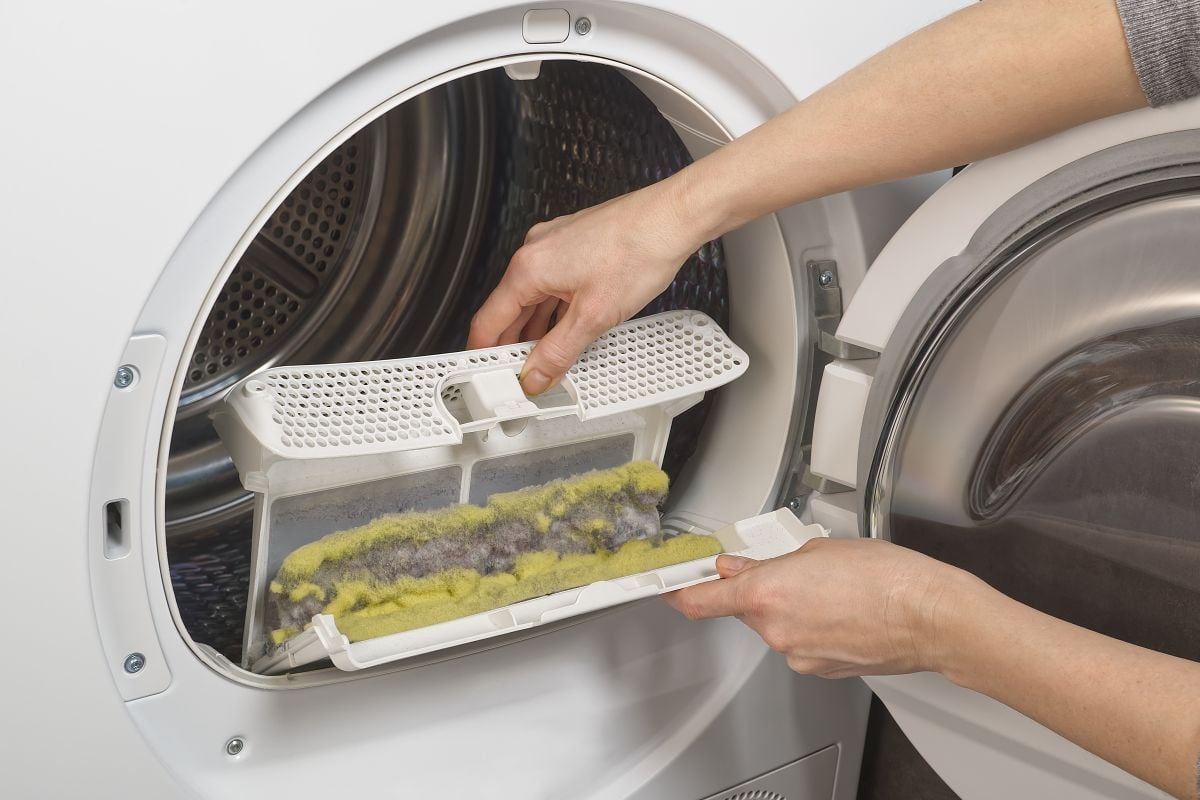
Remove and Clear the Screen After Every Load
Pull the lint screen straight out from its slot, which is typically located inside the dryer door opening or on top of the dryer depending on the model. Peel the visible lint off the screen from one end to the other using your fingers. The lint should come off in one cohesive sheet if the screen has been cleaned consistently. Dispose of it immediately and never leave removed lint sitting on or near the dryer.
Wash the Screen with Soap and Water Monthly
Running your finger along the screen after removing lint is not enough to keep it fully clear. Dryer sheet coatings, fabric softener residue, and fine particle buildup create a thin film on the screen mesh over time that is invisible to the eye but significantly reduces airflow. Once a month, hold the screen under warm running water. If water pools on the surface rather than passing straight through, the screen has product buildup. Wash it with a soft brush and a small amount of liquid dish soap, rinse thoroughly, and allow it to dry completely before reinserting.
Clean the Lint Trap Housing Slot
The slot that holds the lint screen collects lint along its inner walls and at the bottom, especially the fine, escaped lint that slips past the screen edges during a drying cycle. Use a long, flexible dryer lint brush or the narrow hose attachment of a vacuum to reach down into the housing slot and remove accumulated lint from the walls and base. This step is often skipped entirely, but it is where lint quietly accumulates over months into a meaningful buildup.
Inspect the Screen for Damage
Each time you clean the screen, take a moment to look for tears, holes, or warping in the mesh. Even a small tear allows lint to bypass the screen and enter the dryer duct, where it accumulates at a much faster rate and is far more difficult to remove. A damaged lint screen should be replaced promptly rather than used until the next cleaning visit.
Fully Dry the Screen Before Reinserting
After washing, never reinsert a damp lint screen. A wet screen restricts airflow nearly as effectively as a clogged one, and moisture introduced into the lint trap area can encourage mold growth inside the housing slot over time. Allow the screen to air dry completely or use a clean, dry cloth before putting it back in place.
When Lint Trap Cleaning Is Not Enough
Here is the part most homeowners do not realize until it is too late: a clean lint trap alone does not guarantee a safe or efficient dryer system. The lint that escapes the screen and the lint that accumulates in the dryer’s internal duct work and exhaust vent pathway are entirely separate problems, and they cannot be addressed by anything you do at the lint trap.
The Dryer Vent Duct Requires Its Own Cleaning
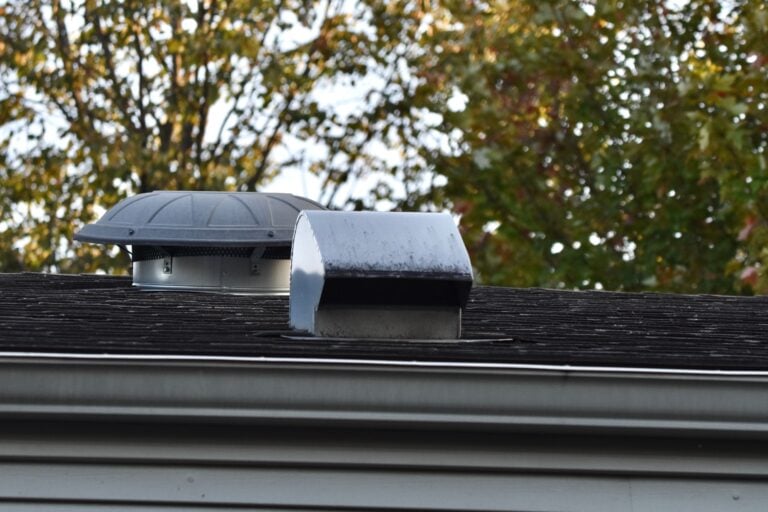
Behind your dryer, a duct carries hot, moist air and escaped lint from the appliance to the exterior of your home. This duct, which can run several feet through walls or floors before reaching the outside, accumulates lint on its interior walls with every load. Unlike the lint trap, there is no screen catching this buildup. Over months and years, it builds into the most significant fire hazard in your entire laundry system, and it cannot be cleared by cleaning the lint trap.
Warning Signs Your Vent Duct Needs Professional Attention
Families in Savannah and surrounding areas who use their dryers frequently throughout the year may need professional vent cleaning more often than homeowners in cooler climates where dryers see lighter seasonal use. Here are the signs that your vent duct has reached a level of buildup that requires professional cleaning:
- Clothes are still damp or hot to the touch after a full drying cycle
- The dryer itself feels unusually hot on the outside during or after use
- The laundry room feels more humid than usual when the dryer is running
- The exterior vent flap does not open fully or barely moves during operation
- There is a burning or musty smell when the dryer runs
- Drying times have gradually increased over the past several months
How Often Professional Dryer Vent Cleaning Is Recommended
Most homes benefit from professional dryer vent cleaning once a year. However, households with larger families, high laundry volume, longer vent duct runs, or flexible plastic ductwork rather than rigid metal may need cleaning every six months. In Savannah and surrounding areas, where high humidity makes the laundry room work harder, scheduling annual professional cleaning as a consistent habit is one of the most reliable ways to protect both your appliance and your home.
Gas Dryers Require Extra Vigilance

Gas-powered dryers carry an additional layer of risk when vents become obstructed. A restricted exhaust pathway in a gas dryer does not just trap heat, it can interfere with the combustion process and allow carbon monoxide to build up in the home rather than exhausting safely to the outside. If your home has a gas dryer, pairing consistent lint trap cleaning with regular professional vent maintenance is not optional. It is a fundamental safety requirement.
Small Habits, Big Protection for Your Home
Cleaning your dryer lint trap is one of the smallest and quickest maintenance tasks a homeowner can do, and yet it is one of the most consequential. The seven reasons covered in this guide, from fire prevention and energy savings to appliance protection and indoor air quality, all trace back to a habit that takes less time than starting a load of laundry. Done correctly and consistently, it keeps your dryer running the way it was designed to while dramatically reducing the risk of the fire hazards that catch so many families off guard.
When the lint trap routine is not enough, and eventually the vent duct will need attention too, Pro Shine Professional Cleaning is ready to help. We serve homeowners throughout Savannah and surrounding areas with professional dryer vent cleaning that reaches the parts of your dryer system that no homeowner can address on their own. Our team inspects, cleans, and communicates every step of the way so you always know exactly what was found and what was done. Do not wait for warning signs to appear before taking action on your dryer vent. Contact us today to schedule your cleaning and give your dryer system the full attention it deserves.

Clean Air Is Just A Call Away!