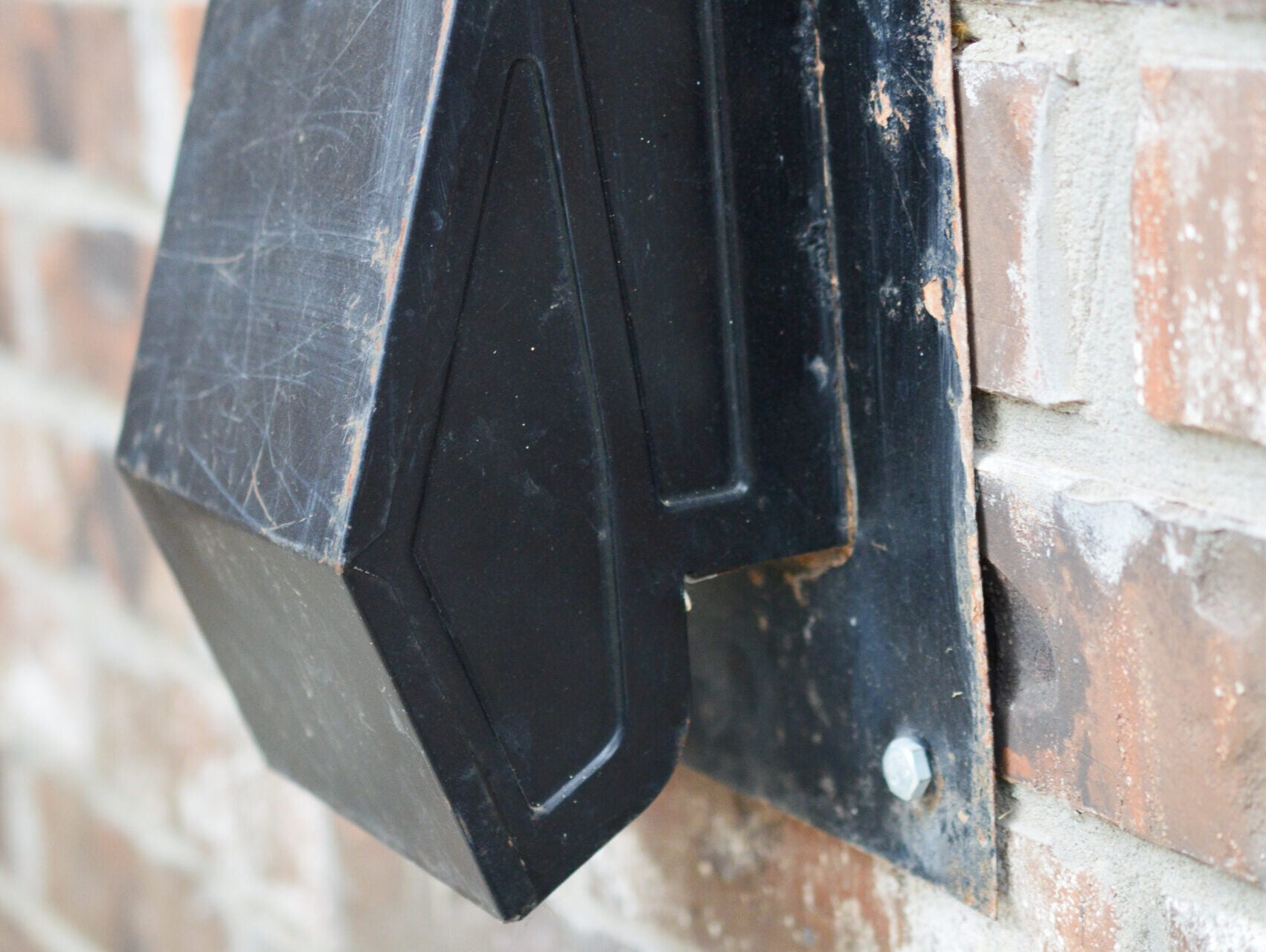
Dryer Vent Cover: 5 Types and How to Choose the Right One
The small cap covering your dryer’s exterior exhaust opening does more than most homeowners realize. A dryer vent cover is your home’s first line of defense against pest intrusion, backdrafting hot or cold air, and debris entering a system that needs to flow freely with every load. Choosing the wrong type or neglecting a damaged one creates problems that compound over time. The same attention that goes into keeping your home’s exhaust pathways clear and properly flowing starts at the cover mounted on your exterior wall.
In this guide, you will learn:
- Why the right dryer vent cover matters for fire safety, energy efficiency, and appliance performance
- The 5 most common types of dryer vent covers and what each one is designed to do
- How to choose the right cover for your home’s specific vent configuration and climate
- How to inspect, install, and maintain a dryer vent cover correctly
- The signs that your current cover needs to be replaced before it creates bigger problems
- How vent cover condition connects to the overall health of your dryer exhaust system
Why Your Dryer Vent Cover Is More Important Than It Looks

Most homeowners pay very little attention to the dryer vent cover on the outside of their home. It sits at or near ground level, or high on an exterior wall, and it rarely comes up in conversation about home maintenance. But this small component plays a critical role in how well your dryer operates and how protected your home is from the problems that a poorly functioning exhaust pathway creates. A dryer vent cover that is damaged, clogged, stuck, or simply wrong for the application is one of the most common and most overlooked contributors to dryer performance problems and fire risk in residential homes.
In Bluffton and surrounding areas, where warm and humid conditions encourage pest activity nearly year-round and where coastal breezes create meaningful backdraft pressure against exterior vent openings, the dryer vent cover is under more stress than it would be in a milder climate. Understanding what the cover is actually doing and what happens when it fails to do it helps homeowners make smarter decisions about selection, maintenance, and replacement.
- Fire Risk Management: A dryer vent cover that cannot open fully during operation restricts the exhaust airflow that carries lint and heat out of the home. This restriction raises operating temperatures inside the duct and appliance toward the range where accumulated lint can ignite. A functioning cover that opens freely during every cycle is a baseline fire safety requirement, not just a comfort feature.
- Pest and Animal Exclusion: An open or broken dryer vent cover is one of the most common entry points for birds, rodents, and insects into residential duct systems. Birds in particular will build nests directly inside the duct opening, creating blockages that are both a fire hazard and a source of biological contamination in the exhaust pathway.
- Energy Efficiency Protection: A cover that does not close properly when the dryer is not running allows outdoor air to enter the duct system continuously. In summer, this introduces warm, humid air into the home’s interior through the laundry area. In cooler months, it allows conditioned air to escape. A well-sealing cover maintains the thermal boundary of the home at the exterior wall.
- Moisture and Mold Prevention: A cover that lets outdoor air in during non-operation periods introduces humidity into the duct interior. In a humid climate, this moisture creates the conditions that allow mold to establish itself on the interior walls of the duct and on the dryer’s exhaust components, degrading air quality and accelerating equipment deterioration.
- Appliance Lifespan: A dryer operating through a restricted or partially blocked vent cover runs hotter, longer cycles, which places sustained stress on the heating element, motor, and drum bearings. The relationship between vent cover condition and appliance lifespan is direct and often underestimated until a repair bill arrives.
5 Types of Dryer Vent Covers and What Each One Does
Choosing the right dryer vent cover starts with understanding the available types and what each one is actually designed to accomplish. These five types cover the range of configurations found in residential homes and address different combinations of performance, pest exclusion, and installation requirements.
1. Single-Flap Louvered Vent Cover
The single-flap louvered cover is the most common dryer vent cover found on residential homes. It features one plastic or metal flap mounted on a pivot that opens outward when exhaust air pushes against it during dryer operation, then falls closed by gravity when the dryer stops. This simple design is inexpensive, widely available, and generally effective for standard wall-exit vent configurations.
The limitation of a single-flap design is that it relies entirely on gravity to close. If the flap warps from heat exposure or UV degradation, becomes coated with lint residue, or is pushed open by wind pressure, it may no longer close fully between cycles. A flap that does not close is an open invitation for pest entry and an ongoing source of energy loss.
- Single-flap covers are available in plastic and aluminum. Aluminum holds up better to heat and UV exposure in sunny climates and is generally the more durable choice for long-term use
- The hinge point on plastic single-flap covers is a common failure point, particularly in warmer climates where repeated thermal cycling causes the plastic to become brittle
- Replace a single-flap cover any time the flap fails to return fully to the closed position when the dryer is not running
2. Multi-Flap Pest-Resistant Vent Cover

Multi-flap vent covers replace the single gravity flap with a set of four to six smaller horizontal louvers, each of which opens independently under exhaust pressure and closes individually when airflow stops. This design provides better pest exclusion than a single-flap cover because the smaller individual louver openings are more difficult for birds and rodents to push through from the outside.
Multi-flap covers are a meaningful upgrade for homes in Bluffton and surrounding areas where bird nesting in dryer vents is a documented and recurring problem during the long warm seasons. The smaller individual flap openings significantly reduce the likelihood that a bird can gain enough purchase to push into the duct opening, and the multiple closing points create a more consistent seal than a single flap over the same opening.
- Look for multi-flap covers with stainless steel or anodized aluminum louvers rather than plastic, which holds up better to the combination of heat from exhaust air and UV exposure from direct sun
- Multi-flap covers maintain approximately the same airflow capacity as single-flap covers when all louvers are fully open, so they do not restrict exhaust flow under normal operation
- Clean multi-flap covers more frequently than single-flap models, as lint can accumulate in the gaps between individual louvers and restrict the full opening range of each flap over time
3. Magnetic Dryer Vent Cover
Magnetic dryer vent covers use rare earth magnets embedded in the cover face to hold the cover closed when the dryer is not running, and rely on the pressure of outgoing exhaust air to push the magnetic seal open during operation. This design provides a significantly tighter seal than gravity-dependent flap covers when the dryer is off, which makes it one of the most effective options for homes where backdrafting cold or hot air through the vent opening is a persistent problem.
The tradeoff with magnetic covers is that they require adequate exhaust airflow to open fully during dryer operation. If the dryer vent duct has significant lint buildup or the exhaust fan is not producing sufficient pressure, the magnetic seal may not open fully, further restricting airflow. Magnetic covers are best suited to systems that are already well-maintained and producing strong exhaust flow.
- Magnetic covers are particularly effective in homes with direct exterior wall exposure to prevailing winds that push against the vent opening, where a standard gravity flap may be held open by wind pressure
- Confirm that your dryer produces sufficient exhaust pressure to fully open the magnetic cover before installing. A simple test is to hold your hand in front of the cover while the dryer runs and confirm you feel strong, consistent airflow
- Magnetic covers should be inspected regularly to ensure the magnet seal remains strong and free of lint or debris that could prevent full closure
4. Roof Dryer Vent Cap
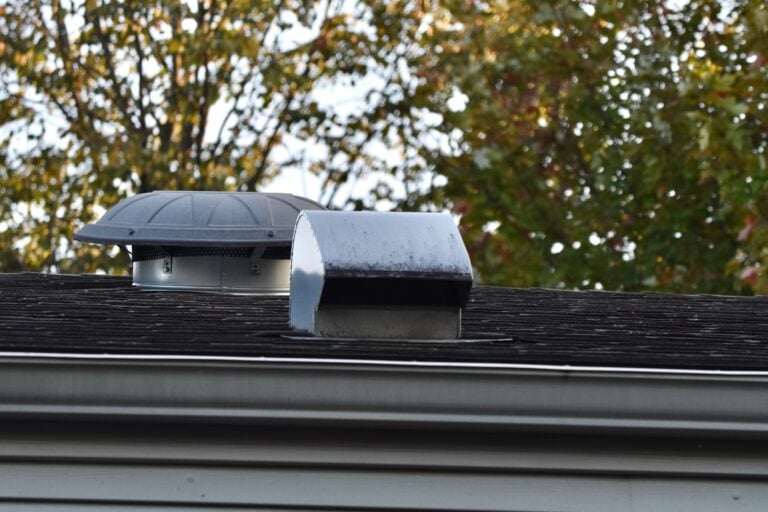
When the dryer exhaust duct exits through the roof rather than through an exterior wall, a specialized roof vent cap is required rather than a wall-mounted cover. Roof dryer vent caps are designed to shed rain and debris while allowing exhaust airflow to exit upward and outward. Most roof caps include a flap or multiple small louvers that function similarly to wall covers but are configured for vertical rather than horizontal exhaust flow.
Roof dryer vent caps face more demanding conditions than wall-mounted covers. They are exposed to full sun, rain, wind, and in some climates ice, with no building overhang to provide shelter. They also require roof access for installation and replacement, which adds physical complexity to any maintenance or replacement task.
- Choose a roof dryer vent cap made of galvanized steel or high-quality aluminum rather than plastic, as plastic roof caps degrade faster under prolonged sun exposure and have shorter effective service lives in warm climates
- Roof caps should be inspected at least annually from ground level using binoculars to check for visible damage, stuck flaps, or pest nesting at the opening
- Any roof cap replacement requires safe roof access and proper sealing around the cap base to prevent water infiltration at the roof penetration point
5. Draft-Blocking Interior Vent Seal
An interior vent seal is not a traditional exterior cover but instead a device installed inside the duct at the dryer connection point that blocks airflow in both directions when the dryer is not operating. Interior vent seals are typically made of a lightweight plastic or foam disc that is held closed by spring tension or by a flexible flap that sits against the interior duct wall until exhaust pressure pushes it open.
Interior vent seals are often used in combination with an exterior cover to provide double protection against backdrafting and pest infiltration. They are particularly useful in dryer installations where the exterior cover cannot be easily accessed for maintenance or where repeated exterior cover failures have been a problem.
- Interior vent seals add a small amount of resistance to exhaust airflow and should be inspected periodically to confirm they are not restricting the exhaust stream during dryer operation
- They are not a substitute for a functioning exterior cover and should always be used alongside one rather than instead of one
- Replace interior vent seals if they show signs of warping, lint coating that restricts movement, or failure to close fully against the duct wall when the dryer is off
How to Choose the Right Dryer Vent Cover for Your Home
Selecting the best dryer vent cover for your specific situation depends on several factors that go beyond simply matching the cover to the existing hole in the wall. These considerations help narrow the choice to the option that will perform best for your home over the long term.
- Duct Diameter: Most residential dryers use a 4-inch diameter exhaust duct, and most standard vent covers are sized to fit this opening. Before purchasing, confirm your duct diameter at the exterior wall opening to ensure the cover seats correctly and seals against the wall surface without gaps.
- Wall or Roof Exit: This is the most fundamental selection factor. Wall-exit duct configurations require a standard louvered or multi-flap wall cover. Roof-exit configurations require a dedicated roof vent cap designed to shed water and debris from a vertical surface. Installing the wrong cover type for the exit configuration will result in either water infiltration, inadequate pest exclusion, or restricted airflow.
- Local Pest Pressure: In coastal and warm climates where birds, insects, and small rodents are active throughout most of the year, multi-flap covers with smaller individual opening sizes provide meaningfully better pest exclusion than single-flap covers. If pest nesting in your vent has been a recurring problem, a multi-flap or pest-resistant cover design is worth the modest additional cost.
- Prevailing Wind Direction and Strength: Homes on exposed sites or with exterior walls facing into prevailing winds may experience backdraft pressure that holds a standard gravity flap open consistently. In these situations, a magnetic cover or a multi-flap design with stronger closure resistance is more appropriate than a single-flap cover.
- Cover Material: Plastic covers are less expensive but degrade faster under UV exposure, heat cycling, and coastal salt air. Aluminum and galvanized steel covers have significantly longer service lives in coastal and high-heat climates and are worth the modest additional cost for any exterior wall installation that will be difficult to access for future replacement.
- Lint Accumulation Rate: Homes with higher laundry volumes or with pets accumulate lint at the exterior cover faster than the average household. For these homes, a cover design that is easy to clean and inspect is a practical consideration alongside the other selection factors.
How to Inspect, Install, and Maintain Your Dryer Vent Cover

A dryer vent cover that is correctly installed and properly maintained performs reliably for years. One that is improperly seated, allowed to accumulate lint without cleaning, or left in place after the flap mechanism fails becomes a source of problems that affect both the dryer and the home.
Inspecting Your Current Cover
Walk outside to your dryer’s exterior vent cover and examine it with the dryer both running and off. When the dryer is running, the flap or louvers should open noticeably and you should feel consistent airflow when you hold your hand near the opening. When the dryer is off, the flap should return fully to the closed position with no gaps around the edges or between individual louvers. Also check the cover body for visible cracking, warping, discoloration from heat, or any evidence of pest activity at the opening.
If lint is visible matted against the exterior cover surface, the interior of the duct is likely in a similar or worse state and professional cleaning should be scheduled alongside any cover maintenance.
Installing a Replacement Cover
Dryer vent cover replacement is a straightforward task for wall-exit duct configurations. Remove the existing cover by unscrewing the fasteners securing it to the wall, noting the duct diameter at the exterior opening. Clean any lint or debris from the opening and the surrounding wall surface before seating the new cover. Apply a bead of exterior-grade caulk around the perimeter of the new cover flange before fastening it to the wall, and allow the caulk to cure fully before running the dryer.
Keeping the Cover Clean Between Professional Cleanings
The exterior cover should be cleaned at least twice per year in Bluffton and surrounding areas, where pest activity and lint accumulation both occur rapidly. Use a brush or vacuum attachment to remove lint from the exterior face and from around the flap mechanism or louver openings. Do not use water to clean a cover that is still in place on the wall, as water introduced into the duct can promote mold growth on the interior surfaces.
When to Replace Rather Than Clean
A dryer vent cover that has a cracked or warped body, a flap that no longer seats against the cover frame, broken louvers, or a hinge point that allows the flap to swing freely rather than returning to the closed position should be replaced rather than cleaned. The cost of a replacement cover is minimal compared to the ongoing pest, energy, and fire risk of operating with a cover that is no longer functioning correctly.
Your Dryer Vent Cover Is the Starting Point for a Safer, More Efficient System
The dryer vent cover is a small component with an outsized impact on how well the full exhaust system performs. The right cover, properly installed and maintained, keeps pests out, maintains the home’s thermal envelope, allows full exhaust airflow with every load, and gives you a visible indicator of vent system health that requires nothing more than a quick glance during routine home checks. The wrong cover, or a damaged one left in place too long, quietly works against every one of those outcomes.
Pro Shine Professional Cleaning helps homeowners throughout Bluffton and surrounding areas keep their dryer vent systems clean, clear, and performing safely from the appliance connection all the way to the exterior cover. If your cover shows signs of damage, if you have noticed reduced airflow, or if your dryer vent simply has not been professionally inspected or cleaned in the past year, contact us today and let our team assess the full system and make sure everything from the duct interior to the exterior cap is working the way it should.

Clean Air Is Just A Call Away!