
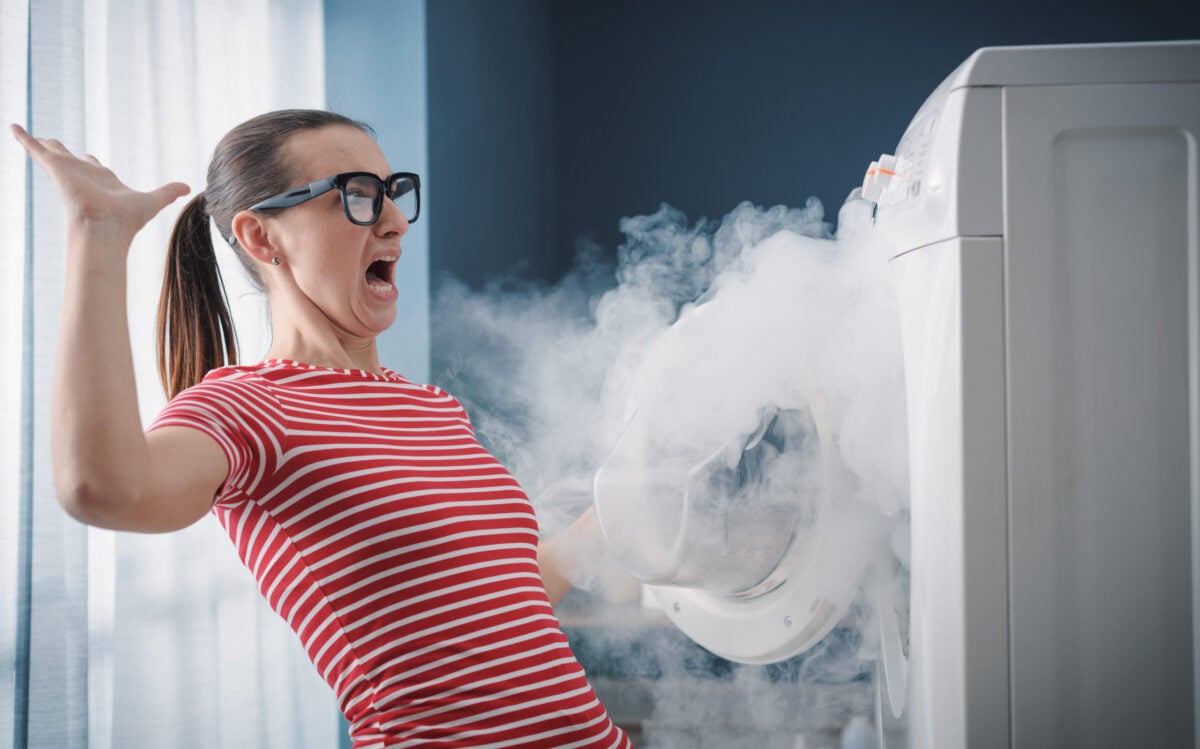
Signs Your Dryer Is Going To Catch Fire: 7 Serious Risks
Most homeowners never think about their dryer as a fire hazard until something goes wrong. But understanding the signs your dryer is going to catch fire could be the most important safety information you read all year. Dryer fires account for thousands of home fires annually in the United States, and the vast majority are entirely preventable with proper maintenance and early recognition of warning signs. The same care you put into keeping your home’s air and exhaust systems clear and safe applies directly to the appliance that may be your most overlooked fire risk.
In this guide, you will learn:
- Why dryers are one of the leading causes of residential fires and what makes them so dangerous
- 7 serious warning signs that your dryer may be on the path to a fire
- How dryer fires actually start and what happens once they ignite
- The immediate steps you can take right now to reduce your household fire risk
- How to know when professional help is the only responsible option
- What dryer vent maintenance actually prevents and how often it should happen
Why Your Dryer Deserves More Attention Than It Gets

The dryer is one of the most heavily used appliances in any home, and it is almost certainly the least inspected. Most families run multiple loads per week without ever thinking about the exhaust pathway that carries heat, moisture, and fine lint particles from the appliance to the outside of the home. That pathway, the dryer vent duct, is where the vast majority of dryer fire hazards develop, and it does so gradually and invisibly between every load.
In Okatie and surrounding areas, where dryers run year-round due to the humid climate and where lint accumulates faster in ducts exposed to warm, moist air, the risk of a dryer-related fire is compounded by the pace at which the vent system fills with combustible material. The U.S. Fire Administration reports that dryers cause approximately 2,900 home fires per year, resulting in an estimated 5 deaths, 100 injuries, and $35 million in property damage annually. The primary culprit in the majority of those fires is one that every homeowner can address: failure to clean the dryer vent.
- Lint Is Highly Combustible: Dryer lint is composed of fine fiber particles from clothing and is one of the most flammable household materials in existence. It ignites at temperatures well within the range that a restricted dryer vent routinely reaches, which is why proximity to the dryer heating element is all that is needed to trigger a fire.
- The Heating Element Operates Near Ignition Temperatures: The electric heating element or gas burner in a standard residential dryer produces temperatures in the range of 125 to 135 degrees Fahrenheit under normal operating conditions, and significantly higher when airflow is restricted by a clogged vent. Lint in contact with or very near these temperatures for sustained periods is a consistent fire risk.
- Fires Spread Before They Are Detected: Dryer fires frequently start inside the vent duct rather than inside the visible appliance. A fire burning inside wall-routed ductwork can travel through the duct pathway and reach combustible building materials in wall cavities before any visible flame or smoke is detected in the laundry area.
- The Lint Trap Is Not the Full Story: Homeowners who clean the lint trap before every load are doing the right thing but may not realize that a significant percentage of fine lint bypasses the screen with every cycle. This material accumulates inside the duct system continuously, regardless of how diligently the trap is maintained.
- Gas Dryers Add Carbon Monoxide Risk: For homes with gas-powered dryers, a blocked vent duct creates an additional hazard beyond fire. When combustion exhaust cannot exit freely through the vent, carbon monoxide can back up into the laundry room and adjacent living spaces, creating a poisoning risk that is unrelated to lint ignition but triggered by the same blockage.
7 Serious Warning Signs That Your Dryer May Catch Fire
These seven warning signs are not hypothetical. They are the specific, observable indicators that dryer fire risk has moved from a background possibility to an active concern that requires immediate attention. If you recognize any of them in your own home, do not run another load until the issue has been addressed.
1. A Burning Smell During or After a Drying Cycle
Any burning odor associated with dryer operation is an urgent warning sign that should not be rationalized away or attributed to a one-time anomaly. This smell, which may resemble scorched fabric, burning paper, or a hot electrical smell, indicates that lint somewhere in the vent system or on the heating element has reached a temperature where it is beginning to scorch. Scorching is the step immediately before ignition.
Stop the dryer immediately if you detect a burning smell during operation. Do not start another cycle until the vent system has been fully inspected and cleared by a professional. Running the dryer again in this condition means running it with a known ignition risk active.
- A burning smell that appears only at the start of a cycle and then fades may indicate lint that scorches briefly on the heating element at startup. This is not a safe condition even if the smell disappears.
- A burning smell from a gas dryer also warrants checking whether the smell has a gas or chemical component, which may indicate a combustion issue rather than or in addition to a lint problem.
- Burning odors that appear after the dryer has been sitting unused for a period may indicate lint that has settled onto the heating element during a previous cycle and is scorching at the next startup.
2. Clothes Are Unusually Hot to the Touch After a Full Cycle
Clothes that come out of the dryer uncomfortably hot rather than warm are a sign that the dryer’s exhaust system is not functioning correctly. Under normal operating conditions, moisture evaporated from clothes exits the drum through the vent duct, carrying heat with it. When the vent is restricted, moisture and heat stay trapped inside the drum, and the appliance has to work harder and hotter to achieve any drying result.
Clothes that are simultaneously hot and still damp after a full cycle are an even clearer indication of significant restriction. The system is generating heat it cannot exhaust, which is precisely the condition that causes internal temperatures to climb to dangerous levels.
3. Drying Times Have Increased Significantly Over Recent Months
A gradual increase in drying time is one of the earliest and most commonly missed warning signs of a developing dryer fire risk. Because the change is incremental, most homeowners adapt to it by running a second cycle, selecting a longer dry time, or attributing it to the age of the appliance. In reality, steadily increasing drying times almost always reflect a vent system that is progressively more restricted by lint accumulation.
- A load that previously dried in one 45-minute cycle now requiring two cycles to feel fully dry is a clear signal that airflow through the vent is substantially reduced from what it should be
- Increased drying times also mean increased energy consumption and increased total runtime of the heating element, both of which compound the fire risk over time
- Households with high laundry volume due to larger families or heavy outdoor activity may experience this buildup progression faster than average
4. The Exterior of the Dryer Is Unusually Hot During Operation
It is normal for the dryer to be warm during operation. It is not normal for the exterior surfaces of the appliance to be uncomfortable to touch or noticeably hotter than they have been historically. Elevated exterior surface temperature indicates that heat is being retained inside the appliance rather than exhausted through the vent pathway as designed.
This heat retention is the physical precondition for lint ignition. When the interior of the appliance and the connected vent pathway are operating at elevated temperatures due to restricted airflow, any lint that is present near heat sources has sustained contact with temperatures approaching its ignition point during every cycle.
5. The Laundry Room Feels Warmer or More Humid Than Usual During Dryer Operation
If you notice that the laundry room becomes noticeably warmer, more humid, or develops a musty or lint-like odor while the dryer is running, exhaust air that should be exiting the home through the vent is instead backing up into the laundry space. This backdrafting occurs when the vent pathway is obstructed enough that air cannot travel through it at the rate the dryer produces it.
This is more than a comfort issue. In Okatie and surrounding areas where ambient humidity is already elevated, moisture being released into an enclosed laundry room from dryer exhaust contributes to mold growth on walls, cabinets, and structural materials surrounding the laundry area. It is also a sign that the ventilation system is failing in a way that directly raises fire risk.
6. The Exterior Vent Cap Does Not Open Fully During a Cycle
The flap on your dryer’s exterior vent cap should open visibly when the dryer is in operation, driven by the force of the exhaust airflow moving through the duct. If you observe the exterior cap during a cycle and the flap barely moves or does not open at all, the airflow reaching it is insufficient to actuate it. This means the duct system between the dryer and the cap is substantially blocked.
- Check the exterior cap at least seasonally in Okatie and surrounding areas where insects, spiders, and seasonal debris regularly accumulate at exterior vent openings and can create blockages that compound existing lint buildup
- A vent cap flap that has become stuck, corroded, or broken and no longer closes properly when the dryer is off also requires attention, as an open cap allows outdoor air, moisture, and pests to enter the duct and contribute to blockage formation
- Cap-level restriction combined with interior lint accumulation creates a dual-point blockage that significantly reduces the airflow needed to keep operating temperatures in a safe range
7. More Than One Year Has Passed Since Professional Vent Cleaning

This final warning sign is not a symptom of a problem that has already developed. It is a reliable predictor of one that is developing. The U.S. Fire Administration, FEMA, and the Consumer Product Safety Commission all recommend that dryer vents be inspected and cleaned at least once per year for the average household. Households with high laundry volume, pets, or multiple occupants may need cleaning more frequently.
A duct system that has not been professionally cleaned in over a year has had every load since the last cleaning contributing to buildup inside the duct walls. In most homes, that represents hundreds of drying cycles worth of accumulated lint coating the interior of a duct that connects directly to a high-temperature heating source. The absence of symptoms does not mean the risk is absent. It often means the buildup has not yet reached the threshold where symptoms appear.
How Dryer Fires Actually Start and Why They Spread So Fast
Understanding the ignition and spread pattern of a dryer fire helps homeowners grasp why the warning signs covered above deserve immediate action rather than monitoring. Dryer fires do not behave like the fires most people imagine. They are not typically visible at the appliance first, and they do not give clear warning before they are established.
The Ignition Sequence
Most dryer fires begin inside the vent duct rather than inside the appliance drum itself. Fine lint that has accumulated on the interior walls of the duct is exposed to sustained high temperatures from the exhaust air traveling through it during every cycle. At some point, when the combination of temperature and lint density reaches a threshold, the lint ignites. This initial ignition may occur at any point along the duct run, including inside wall cavities where the duct is concealed behind finished drywall.
Why Spread Is So Rapid
Once ignition occurs inside the duct, the fire has several factors working strongly in its favor. The duct pathway itself acts as a chimney, feeding air to the combustion. Any additional lint in the duct is available fuel that the fire travels through rapidly. Where the duct passes through wall framing, insulation, and other combustible building materials, the fire can spread from the duct surface into surrounding structure before it becomes visible in the living space.
The Appliance Itself as a Contributing Factor
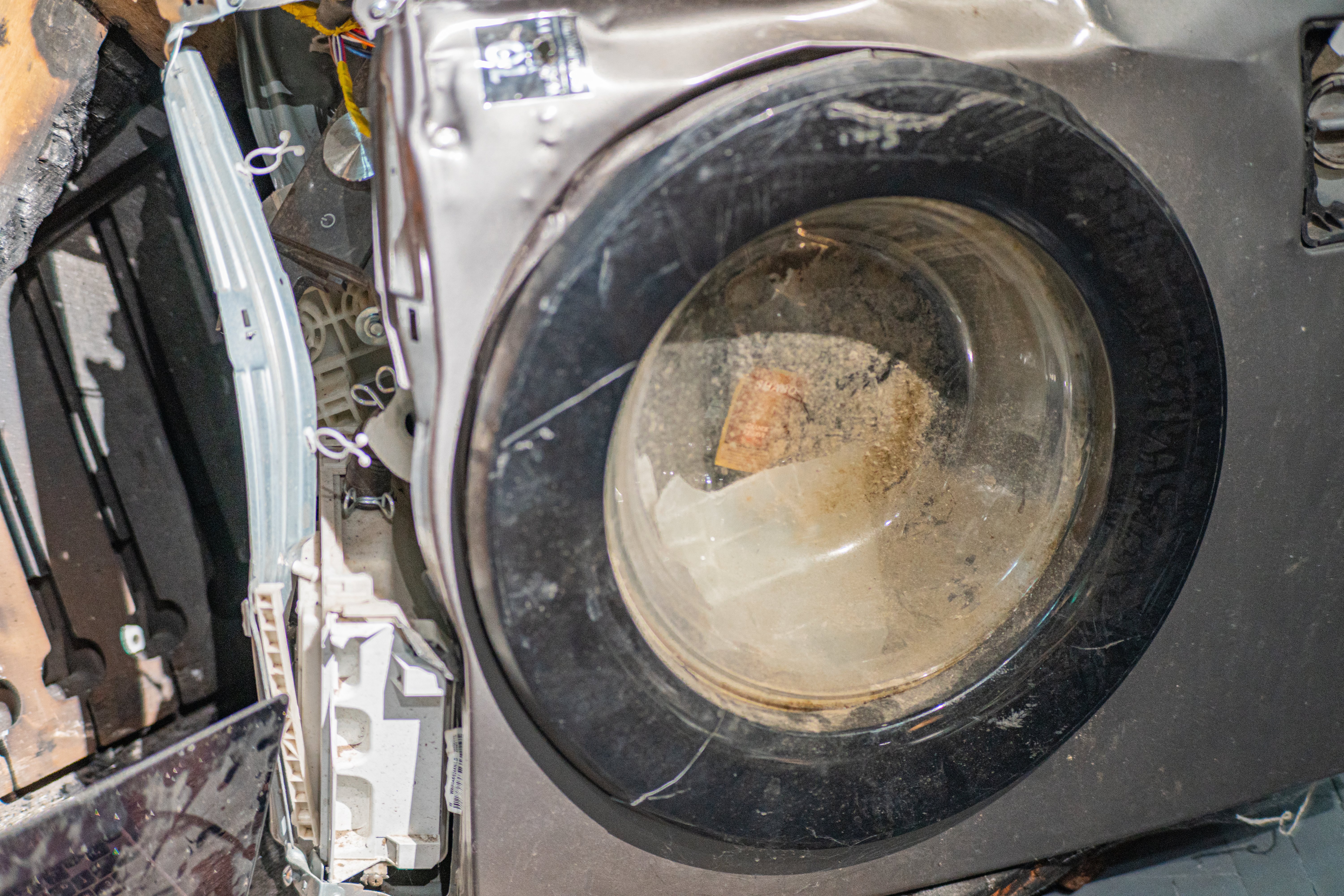
In cases where lint has accumulated on or near the heating element inside the appliance rather than primarily in the duct, ignition can occur inside the dryer cabinet. A fire that starts inside the appliance has direct access to the full interior of the dryer as a fuel source and may vent ignited material through the exhaust pathway into the duct, spreading the fire in both directions simultaneously.
What to Do Right Now to Reduce Your Fire Risk

You do not need to wait for a scheduled professional cleaning appointment to take meaningful action on dryer fire risk. Several steps can be taken immediately to reduce the hazard level in your home.
Inspect and Clean the Lint Trap and Housing Today
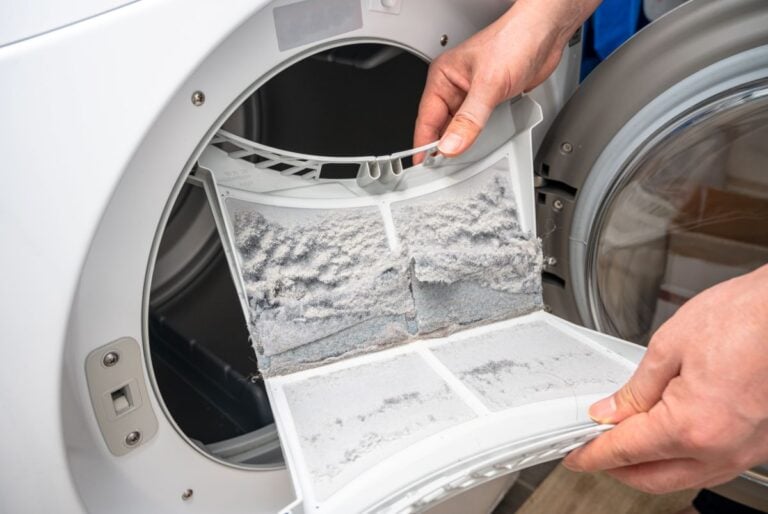
Remove the lint screen and clear all visible lint. Use a narrow vacuum attachment or a flexible lint trap brush to reach into the lint trap housing slot as far as possible, removing the accumulated fine lint that falls past the screen edges with every load. Wash the screen under warm running water to remove fabric softener residue buildup that reduces airflow through the mesh. Allow it to dry completely before reinserting.
Check the Exterior Vent Cap Right Now
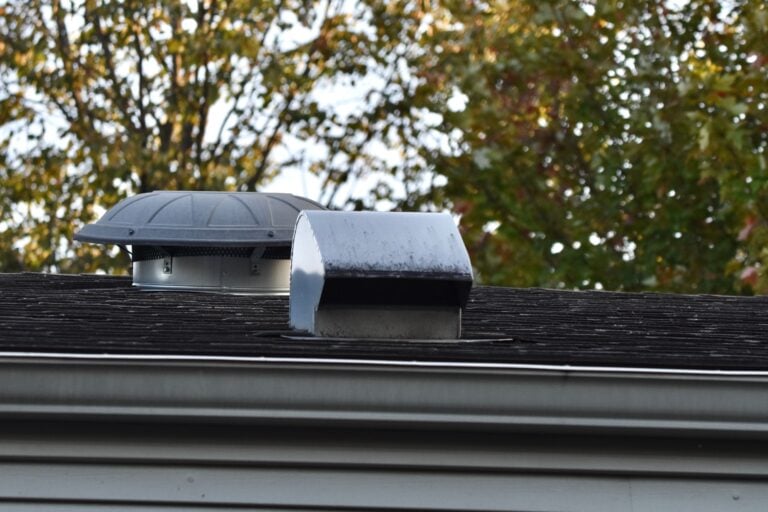
Walk outside and locate your dryer’s exterior vent cap. Examine it for visible lint accumulation, nesting material, a stuck or broken flap, or any other obstruction at the opening. Start the dryer and watch whether the flap opens fully and steadily. If it does not, there is a restriction in the vent pathway that requires professional attention.
Stop Using the Dryer If Any Warning Signs Are Present
If your dryer is producing a burning smell, taking significantly longer than usual to dry clothes, producing excessively hot output, or has any other active warning sign from the list above, stop using it until the vent has been professionally inspected and cleared. Running additional loads through an at-risk system is not a calculated risk. It is an avoidable one.
Schedule Professional Dryer Vent Cleaning Without Delay
If your vent has not been professionally cleaned in the past year, or if you are not certain when it was last serviced, schedule a professional cleaning. This is not an optional maintenance task. It is the single most effective action available to reduce dryer fire risk in your home.
Do Not Wait for Your Dryer to Tell You It Is Too Late
The warning signs covered in this guide do not appear all at once, and many homeowners miss them entirely because they develop gradually. A dryer that smells faintly burned, takes a little longer to dry clothes, and feels slightly warmer than it used to is a dryer that is communicating something important. Recognizing those signals and acting on them is the difference between a maintenance appointment and a fire department call.
Pro Shine Professional Cleaning serves homeowners throughout Okatie and surrounding areas with professional dryer vent cleaning that reaches the full length of the vent system, removes the accumulated lint that creates fire risk, and confirms through post-cleaning inspection that the duct is clear and the exhaust cap is functioning correctly. Our team takes dryer fire prevention seriously because the consequences of not taking it seriously are real and preventable. If your dryer has shown any of the warning signs in this guide, or if your vent is simply overdue for attention, contact us today and let us clear the risk before it becomes a crisis.
Clean Air Is Just A Call Away!