Home Allergy Relief Tips For Breathing Easier Indoors
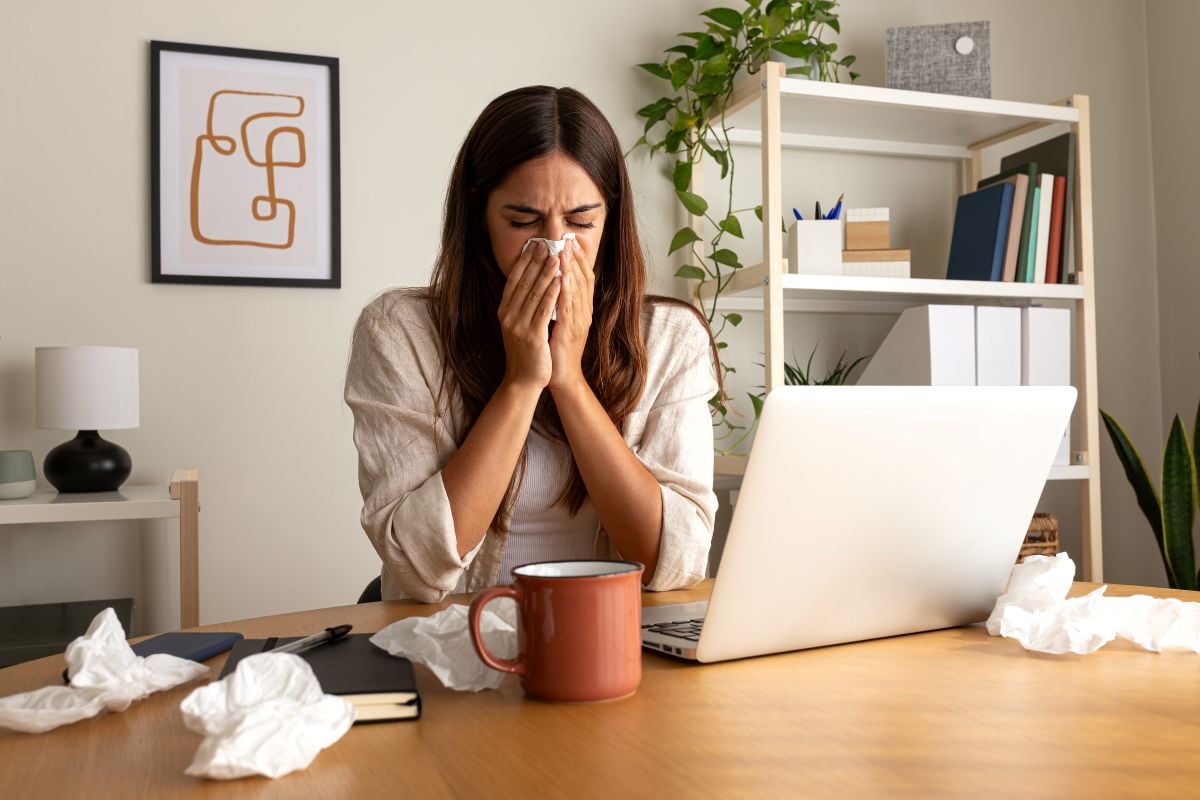
Indoor air quality plays a major role in your comfort, health, and overall well-being. If you find yourself sneezing, coughing, or dealing with itchy eyes inside your own home, you are not alone. Many homeowners struggle with allergens trapped in their living spaces. Taking proactive steps toward home allergy relief can dramatically improve how you feel every day. With the right cleaning strategies and habits, you can create a healthier indoor environment. Learn more about improving your indoor air quality with these helpful cleaning solutions for allergy concerns.
In this guide, you will discover:
- What causes indoor allergies and why they persist
- Practical steps to reduce allergens in your home
- Cleaning strategies that make a real difference
- How professional support can help maintain long-term results
Why Home Allergy Relief Matters for Your Health and Comfort

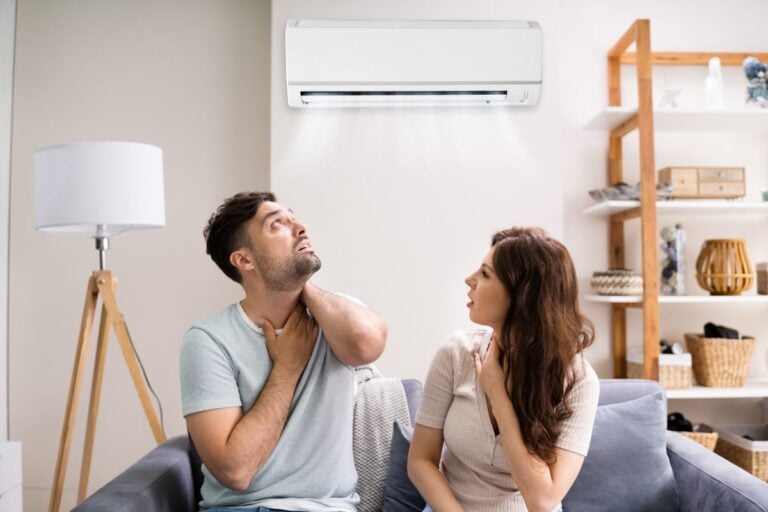
Allergies are not just a seasonal problem. For many households, especially in places like Bluffton and surrounding areas, indoor allergens are present year-round. Dust, pet dander, mold spores, and pollen can accumulate quickly and circulate through your home’s air system.
Ignoring these issues can lead to ongoing discomfort and even long-term health concerns. Taking action improves more than just your air quality. It enhances your daily life in meaningful ways.
- Improved Respiratory Health: Reducing airborne irritants helps minimize coughing, wheezing, and congestion.
- Better Sleep Quality: Cleaner air supports deeper, uninterrupted rest.
- Increased Energy Levels: When your body is not constantly fighting allergens, you feel more alert and productive.
- A More Comfortable Living Space: Eliminating triggers creates a fresher, more enjoyable home environment.
- Long-Term Home Protection: Addressing allergens like mold early helps prevent structural damage and costly repairs.
A cleaner home is not just about appearance. It directly impacts how you feel every single day.
5 Common Causes of Indoor Allergies and How to Address Them
Understanding what is causing your symptoms is the first step toward effective relief. Many allergens are invisible, which makes them easy to overlook.
1. Dust and Dust Mites
Dust is one of the most common indoor allergens. It collects on surfaces, fabrics, and in hard-to-reach areas.
Dust mites thrive in warm, humid environments and feed on dead skin cells.
To reduce dust:
- Vacuum regularly using a HEPA-filter vacuum
- Wash bedding weekly in hot water
- Use dust-resistant covers on mattresses and pillows
- Wipe surfaces with damp cloths instead of dry dusting
2. Pet Dander
Pets bring joy, but they also introduce dander, which can trigger allergic reactions.
Even if you do not have pets, dander can be carried in from outside environments.
Helpful strategies include:
- Groom pets frequently
- Keep pets off furniture and out of bedrooms
- Vacuum carpets and upholstery often
- Use air purifiers in shared spaces
3. Mold and Mildew
Moisture is the main culprit behind mold growth. Bathrooms, basements, and kitchens are especially vulnerable.
Mold spores can spread quickly and cause serious respiratory issues.
To control mold:
- Fix leaks promptly
- Use dehumidifiers in damp areas
- Ensure proper ventilation in bathrooms and kitchens
- Clean affected surfaces with appropriate solutions
4. Pollen Entering the Home
Pollen is not just an outdoor problem. It can easily enter your home through windows, doors, and even on clothing.
Ways to minimize pollen indoors:
- Keep windows closed during high pollen seasons
- Remove shoes at the door
- Change clothes after spending time outside
- Use high-quality air filters in your HVAC system
5. Poor Air Circulation
Stale air allows allergens to linger and accumulate over time.
Improving airflow can significantly reduce indoor irritants.
Consider these steps:
- Replace HVAC filters regularly
- Use ceiling fans to circulate air
- Schedule routine HVAC maintenance
- Add air purifiers in key areas of your home
By identifying these common sources, you can take targeted steps to reduce allergens and improve your indoor environment.
Effective Cleaning Habits That Support Allergy Relief
Consistent cleaning is one of the most powerful tools for maintaining a low-allergen home. However, not all cleaning methods are equally effective.
Focus on High-Touch and High-Traffic Areas
Certain areas of your home collect more allergens than others. Prioritizing these spaces makes a noticeable difference.
- Entryways where dirt and pollen enter
- Living rooms with upholstered furniture
- Bedrooms where dust mites accumulate
- Kitchens where moisture can lead to mold
Cleaning these areas regularly helps prevent buildup before it becomes a problem.
Use the Right Cleaning Tools and Products

The tools you use matter just as much as how often you clean.
- HEPA vacuums trap fine particles instead of redistributing them
- Microfiber cloths capture dust more effectively than traditional rags
- Non-toxic cleaners reduce chemical irritation
Avoid products that contain strong fragrances or harsh chemicals, as they can worsen allergy symptoms.
Maintain a Cleaning Schedule
Consistency is key. A structured routine ensures allergens do not have time to accumulate.
- Daily: Wipe surfaces and manage clutter
- Weekly: Vacuum, mop, and wash bedding
- Monthly: Deep clean carpets and upholstery
- Seasonally: Clean vents, baseboards, and behind furniture
A predictable schedule helps keep your home consistently clean and comfortable.
Reduce Clutter
Clutter creates more surfaces for dust to settle and makes cleaning more difficult.
- Store items in closed containers
- Minimize decorative items that collect dust
- Keep floors clear for easier vacuuming
Simplifying your space can significantly improve cleaning efficiency.
Improve Indoor Humidity Levels
Humidity plays a major role in allergen growth.
- Aim for indoor humidity between 30 and 50 percent
- Use dehumidifiers in damp areas
- Avoid overwatering indoor plants
Balanced humidity helps prevent mold and dust mite growth.
These habits, when practiced consistently, create a strong foundation for lasting allergy relief.
Smart Home Upgrades That Improve Indoor Air Quality
Beyond cleaning, certain home improvements can make a significant impact on reducing allergens. These upgrades work behind the scenes to support a healthier environment.
Upgrade Your HVAC System
Your HVAC system plays a critical role in circulating air throughout your home.
- Install high-efficiency filters
- Schedule regular maintenance
- Consider upgrading to a system with advanced filtration
A well-maintained system reduces the spread of airborne allergens.
Add Air Purifiers
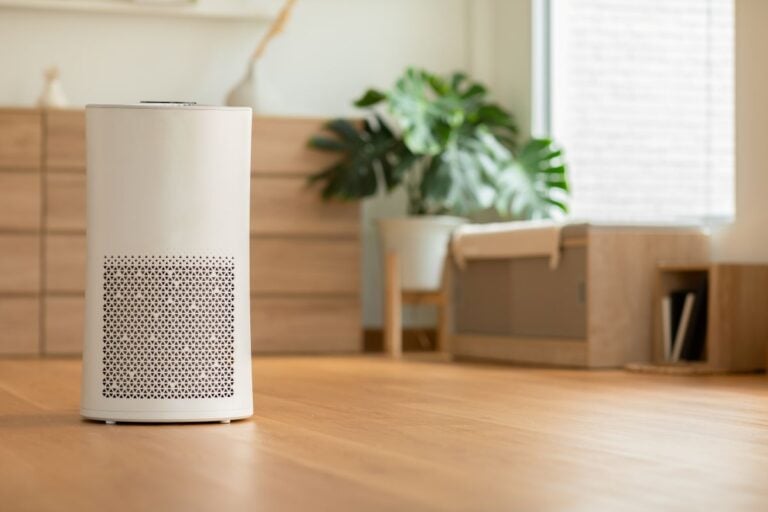
Air purifiers are especially helpful in bedrooms and living areas.
- HEPA filters capture dust, pollen, and pet dander
- Activated carbon filters help remove odors
- Portable units allow targeted use in specific rooms
These devices provide an extra layer of protection against airborne irritants.
Choose Allergy-Friendly Flooring
Carpets can trap allergens, making them harder to remove.
- Hardwood and tile are easier to clean
- Low-pile carpets are better than thick carpeting
- Washable rugs offer flexibility and convenience
If replacing flooring is not an option, frequent deep cleaning is essential.
Improve Ventilation
Proper ventilation helps remove stale air and replace it with fresh air.
- Use exhaust fans in kitchens and bathrooms
- Open windows when outdoor conditions allow
- Install ventilation systems if needed
Better airflow reduces the concentration of indoor pollutants.
Invest in Professional Cleaning Services
Even with the best efforts, some allergens are difficult to eliminate without professional tools and expertise.
Professional cleaning can:
- Deep clean carpets and upholstery
- Remove buildup in hard-to-reach areas
- Improve overall air quality
For homeowners in Bluffton and surrounding areas, this can be a game changer for maintaining a consistently clean and healthy home.
Daily Habits That Help Maintain Long-Term Allergy Relief

Small, consistent actions can have a big impact over time. Incorporating these habits into your daily routine helps maintain the progress you have made.
Keep Outdoor Contaminants Outside
Reducing what enters your home is just as important as cleaning what is already inside.
- Remove shoes at the door
- Use doormats to trap dirt
- Clean pets after outdoor activities
These simple steps limit the amount of allergens brought indoors.
Manage Laundry Effectively
Clothing and fabrics can carry allergens.
- Wash clothes after outdoor exposure
- Avoid leaving laundry piles sitting out
- Dry clothes indoors during high pollen seasons
Clean fabrics contribute to a cleaner overall environment.
Maintain Clean Bedding
Your bed is one of the most important areas to keep allergen-free.
- Wash sheets and pillowcases weekly
- Use hypoallergenic covers
- Replace pillows regularly
A clean sleeping space supports better rest and fewer nighttime symptoms.
Be Mindful of Indoor Plants
While plants can improve air quality, they can also harbor mold if not properly maintained.
- Avoid overwatering
- Use clean soil
- Wipe leaves regularly
Proper care ensures plants remain beneficial rather than problematic.
Stay Consistent with Cleaning Routines
Consistency is the foundation of long-term success.
- Stick to your cleaning schedule
- Adjust routines based on seasonal changes
- Address issues promptly before they escalate
Maintaining these habits helps prevent allergens from returning.
Take Control of Your Indoor Air for Lasting Comfort
Creating a healthier home environment does not happen overnight, but the results are well worth the effort. By addressing the root causes of allergens, maintaining consistent cleaning habits, and making smart upgrades, you can significantly improve your indoor air quality.
If you are ready to take the next step toward a cleaner, healthier home, Pro Shine Cleaning is here to help. Our team understands the unique challenges homeowners face in Bluffton and surrounding areas and provides thorough solutions designed for lasting results. Do not let indoor allergens disrupt your daily life. Contact us today to schedule your service and start breathing easier in your own home.

Clean Air Is Just A Call Away!