How To Remove Allergens From Home: 7 Must-Know Methods
If you constantly deal with sneezing, itchy eyes, or congestion indoors, your home may be harboring hidden irritants. Learning how to remove allergens from home is essential for creating a healthier and more comfortable living space. From dust and pet dander to mold and pollen, these triggers can build up quickly without the right approach. Discover practical ways to improve your indoor environment with these proven cleaning solutions for allergy concerns that help support cleaner air and better daily living.
In this guide, you will learn:
- The most common sources of indoor allergens
- Step-by-step methods to remove and control them
- Smart cleaning habits that make a lasting difference
- When to consider professional support for deeper results
Why Removing Allergens From Your Home Matters

Indoor air quality has a direct impact on your health, energy levels, and overall comfort. Many homeowners in Hilton Head Island and surrounding areas experience allergy symptoms year-round due to trapped contaminants inside their homes.
When allergens are left unchecked, they continue to circulate through your living space, making it difficult to find relief. Taking the time to address these issues can transform your environment in meaningful ways.
- Healthier Breathing: Reducing allergens helps minimize respiratory irritation and improves overall lung function.
- Better Sleep Quality: Cleaner air supports uninterrupted rest and fewer nighttime symptoms.
- Improved Daily Comfort: A home free of irritants feels fresher and more enjoyable.
- Reduced Cleaning Stress: Managing allergens regularly prevents overwhelming buildup.
- Long-Term Home Protection: Addressing mold and moisture early helps prevent structural damage.
Understanding the importance of allergen removal is the first step toward creating a healthier home.
7 Must-Know Methods to Remove Allergens From Your Home
There is no single solution for eliminating allergens. Instead, a combination of strategies works best to reduce and control them effectively.
1. Deep Clean High-Impact Areas First
Some areas of your home collect more allergens than others. Focusing on these spaces delivers the fastest results.
Start with:
- Bedrooms where dust mites thrive
- Living rooms with upholstered furniture
- Entryways where outdoor contaminants enter
Use a vacuum with a HEPA filter and wipe surfaces with damp cloths to prevent particles from becoming airborne.
2. Wash Fabrics Regularly
Fabrics trap allergens and can release them back into the air if not cleaned consistently.
Important steps include:
- Washing bedding weekly in hot water
- Cleaning curtains and drapes
- Vacuuming or steam cleaning upholstery
Keeping fabrics clean reduces one of the most common sources of indoor allergens.
3. Control Indoor Humidity Levels
Humidity plays a major role in allergen growth, especially mold and dust mites.
To maintain balance:
- Keep humidity between 30 and 50 percent
- Use dehumidifiers in damp areas
- Fix leaks as soon as they appear
Proper moisture control helps prevent allergens from multiplying.
4. Improve Air Filtration
Your HVAC system can either help or worsen allergen levels depending on its condition.
Enhance filtration by:
- Replacing air filters regularly
- Using high-efficiency filters
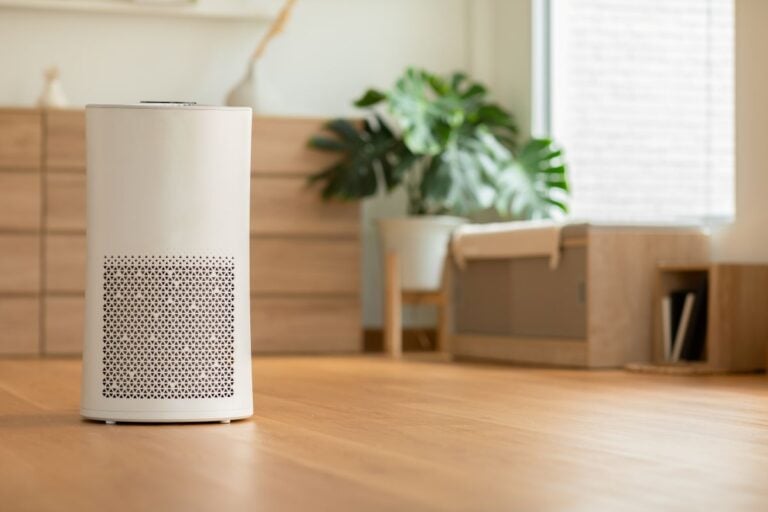
- Adding air purifiers in key rooms
Clean air circulation is essential for maintaining a low-allergen environment.
5. Minimize Clutter
Clutter creates more surfaces for dust to settle and makes cleaning more difficult.
Simplify your space by:
- Storing items in closed containers
- Reducing unnecessary decorations
- Keeping floors clear
A streamlined home is easier to maintain and less likely to collect allergens.
6. Keep Outdoor Allergens Outside
Pollen and dirt often enter your home without you realizing it.
Prevent this by:
- Removing shoes at the door
- Changing clothes after outdoor activities
- Using doormats to trap debris
Limiting what enters your home reduces the need for constant cleaning.
7. Clean Air Vents and Ducts
Dust and debris can accumulate inside your ventilation system and circulate throughout your home.
Routine maintenance should include:
- Cleaning vent covers
- Scheduling duct inspections
- Ensuring proper airflow
This step is especially important for homes in Hilton Head Island and surrounding areas where humidity can contribute to buildup.
Smart Cleaning Habits That Keep Allergens Away

Once you have reduced allergens, maintaining a consistent routine is key to keeping them under control. Small habits practiced regularly can prevent buildup and improve overall air quality.
Daily Cleaning Habits
Daily actions help limit the spread of allergens before they accumulate.
- Wipe down surfaces in high-use areas
- Sweep or vacuum frequently used spaces
- Keep windows closed during high pollen seasons
These quick tasks take only a few minutes but make a noticeable difference.
Weekly Cleaning Routine
A structured weekly routine helps maintain deeper cleanliness.
- Vacuum carpets and rugs thoroughly
- Mop hard floors to remove fine particles
- Wash bedding and frequently used fabrics
Consistency ensures allergens do not return in large amounts.
Monthly Deep Cleaning Tasks
Monthly cleaning focuses on areas that are often overlooked.
- Clean baseboards and vents
- Vacuum behind furniture
- Wash curtains and decorative fabrics
These tasks help eliminate hidden allergens that can affect air quality.
Seasonal Adjustments
Different seasons bring different challenges.
- Spring and summer often increase pollen levels
- Fall can introduce more dust from closed windows
- Winter may lead to drier air and increased dust circulation
Adjusting your routine based on the season helps maintain consistent results throughout the year.
Common Mistakes That Can Make Allergies Worse
Even with good intentions, certain habits can unintentionally increase allergen levels in your home. Avoiding these mistakes is just as important as following the right methods.
Using the Wrong Cleaning Tools
Not all cleaning tools are effective for allergen removal.
- Standard vacuums may release particles back into the air
- Dry dusting can spread dust instead of capturing it
Using proper tools like HEPA vacuums and microfiber cloths is essential.
Ignoring Hidden Areas
Allergens often accumulate in places that are not immediately visible.
These include:
- Under furniture
- Inside vents
- Behind appliances
Regularly cleaning these areas prevents hidden buildup.
Overusing Harsh Chemicals
Strong cleaning products can irritate respiratory systems and worsen symptoms.
Instead:
- Choose non-toxic, low-fragrance cleaners
- Use products designed for sensitive environments
This approach keeps your home clean without introducing new irritants.
Neglecting HVAC Maintenance
Your HVAC system plays a major role in air quality.
Failing to maintain it can lead to:
- Poor air circulation
- Increased dust and debris
- Reduced filter effectiveness
Regular maintenance ensures your system supports a cleaner environment.
Professional Cleaning vs DIY Allergen Removal
While many allergen removal methods can be done on your own, professional cleaning services offer additional benefits that can make a significant difference.
DIY Cleaning
Handling cleaning yourself can be effective for routine maintenance.
Advantages:
- Lower immediate cost
- Flexible scheduling
Limitations:
- May not reach deep-seated allergens
- Requires consistent effort and time
- Limited access to specialized equipment
DIY cleaning works best when combined with professional support.
Professional Cleaning Services
Professional cleaning provides a deeper and more thorough approach.
Advantages:
- Advanced equipment for deep cleaning
- Removal of allergens in hard-to-reach areas
- Improved overall air quality
Limitations:
- Higher upfront investment
Comparison Table
| Factor | DIY Cleaning | Professional Cleaning |
| Depth of Cleaning | Surface-level | Deep, comprehensive |
| Time Required | High | Minimal homeowner effort |
| Equipment | Basic tools | Specialized equipment |
| Results | Moderate | Long-lasting improvement |
For homeowners in Hilton Head Island and surrounding areas, combining both approaches often delivers the best results.
Creating a Long-Term Allergy Reduction Plan

Removing allergens once is not enough. A long-term strategy ensures your home stays clean and comfortable year-round.
Build a Consistent Schedule
Consistency is the foundation of success.
- Daily quick cleanups
- Weekly deep cleaning
- Monthly maintenance tasks
A structured plan prevents allergens from building up again.
Monitor Air Quality
Pay attention to how your home feels and how your body responds.
- Notice changes in symptoms
- Adjust cleaning routines as needed
- Invest in air quality monitors if necessary
Staying aware helps you respond quickly to potential issues.
Upgrade When Needed
Sometimes small upgrades can make a big difference.
- Replace old carpets with hard flooring
- Upgrade HVAC filters
- Add air purifiers
These improvements support long-term allergen control.
Stay Proactive
Do not wait for symptoms to worsen before taking action.
- Address spills and moisture immediately
- Clean regularly even when things look fine
- Schedule periodic professional cleanings
Proactive care keeps your home consistently comfortable.
Take the Next Step Toward Cleaner Indoor Air
Creating an allergen-free home requires the right combination of knowledge, consistency, and professional support when needed. By understanding how allergens enter your space and applying proven cleaning methods, you can significantly improve your indoor environment.
If you are ready to experience a deeper level of clean, Pro Shine Cleaning is here to help homeowners in Hilton Head Island and surrounding areas achieve lasting results. Do not let allergens take control of your comfort. Take action today and contact us today to schedule your service and enjoy a fresher, healthier home.

Clean Air Is Just A Call Away!