
How To Get Rid Of Pet Dander? (10 Easy Home Cleaning Tips)
If you share your home with a cat or dog, you already know the joy pets bring. But knowing how to get rid of pet dander is just as important as the cuddles. Pet dander settles into furniture, floats through your HVAC system, and hides in places even regular cleaning misses. For families dealing with allergies, asthma, or breathing sensitivities, this invisible allergen can quietly affect daily comfort and health. Professional whole-home allergen treatments can help eliminate what surface cleaning leaves behind.
In this guide, you will learn:
- What pet dander is and why it is so difficult to fully remove
- The most common places dander hides throughout your home
- 10 practical, effective cleaning tips to reduce pet dander starting today
- Which tools and products actually make a measurable difference
- When to bring in professional help for lasting, whole-home relief
- How your HVAC system contributes to dander spreading room to room
Why Pet Dander Is a Bigger Problem Than Most People Realize

Pet dander is not just pet hair. It consists of tiny, microscopic flecks of skin shed by animals with fur or feathers, and because these particles are so small, they stay airborne for hours and cling to nearly every surface in your home. Even homes without pets can harbor dander tracked in on clothing or carried in by visitors. In Bluffton and surrounding areas, where warm and humid conditions are the norm for most of the year, dander can combine with other indoor allergens like dust mites and mold spores to create a compounding effect on your indoor air quality.
Understanding the full scope of the problem is the first step toward solving it. Here is why taking pet dander seriously matters for every pet-owning household:
- Allergy and Asthma Triggers: Pet dander is one of the most common triggers for allergic rhinitis and asthma attacks, affecting millions of Americans, including children who may not yet show obvious symptoms.
- Long-Term Surface Buildup: Dander does not disappear on its own. Without consistent cleaning, it accumulates over time in upholstery, rugs, mattresses, and deep inside your ductwork.
- Invisible Threat: Because dander particles are microscopic, you cannot see them collecting, which means the problem often grows significantly before homeowners notice worsening symptoms.
- HVAC System Spread: Your heating and cooling system actively pulls dander particles into the ductwork and redistributes them throughout every room of the house each time it cycles on.
- Year-Round Problem: Unlike seasonal pollen, pet dander is a 365-day issue for pet owners, making consistent management strategies essential rather than something you address only when symptoms flare up.
10 Easy Home Cleaning Tips to Get Rid of Pet Dander
Reducing pet dander in your home does not require a complete lifestyle overhaul. With the right habits and tools in place, you can dramatically cut down the allergen load in your living spaces. The tips below are practical, proven, and easy to build into your regular routine. Here are ten steps to help you take meaningful control of pet dander in your home.
1. Vacuum with a HEPA-Filter Vacuum Cleaner
Standard vacuums can actually make dander problems worse by blowing fine particles back into the air. A HEPA-filter vacuum traps particles as small as 0.3 microns, which means it captures dander rather than redistributing it. Vacuum carpets, rugs, upholstered furniture, and even curtains at least twice per week if you have pets in the home.
- Look for vacuums labeled “certified asthma and allergy friendly”
- Use upholstery attachments on couches, chairs, and pet beds
- Do not forget stair risers and baseboards where dander collects and sits undisturbed
2. Wash Pet Bedding Every Week
Your pet’s bedding is ground zero for dander accumulation. Washing it in hot water at 130 degrees Fahrenheit or higher once a week kills dust mites and removes dander buildup effectively. Use an unscented, hypoallergenic detergent to avoid layering additional irritants on top of the allergen problem you are already managing.
3. Bathe and Groom Your Pet Regularly
Bathing your dog or cat reduces the amount of active dander they shed into your environment on a daily basis. Most vets recommend bathing dogs every one to four weeks depending on breed. For cats, who tend to resist bathing, gentle wipe-downs with pet-safe grooming wipes between full baths can help significantly reduce surface dander levels.
- Use a vet-recommended shampoo designed for pets with sensitive skin
- Dry your pet thoroughly after bathing to avoid introducing moisture issues
- Brush your pet outdoors before bathing to remove loose fur and dander before it enters your home
4. Groom Pets Outside Whenever Possible
Regular brushing removes loose fur and the dander attached to it before it ever has a chance to spread indoors. Make it a habit to groom your pets outside, or at minimum in a garage or screened porch. This one step alone can meaningfully reduce the volume of dander that makes it into your living spaces on a daily basis.
5. Run Air Purifiers with True HEPA Filters
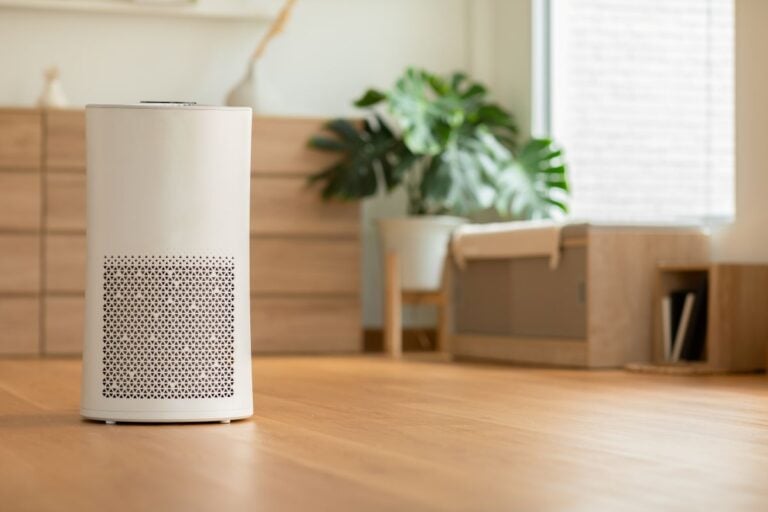
Air purifiers placed in rooms where your pets spend the most time continuously filter dander particles out of the surrounding air. Look for units with true HEPA filtration and an appropriate square footage rating for each room. Running them on a continuous low setting is consistently more effective than running them on high only occasionally or when symptoms are already present.
- Place one unit in the bedroom for overnight allergy relief while you sleep
- Consider a dedicated unit for your main living area where pets roam freely throughout the day
- Replace filters on the manufacturer’s recommended schedule to maintain consistent performance
6. Upgrade Your HVAC Filters to High-MERV Ratings
Your HVAC system is one of the biggest culprits in spreading dander from room to room throughout your home. Swapping out standard 1-inch fiberglass filters for high-MERV filters, ideally MERV 11 or higher, allows your system to catch far more dander particles before they cycle back into your living spaces. If you have pets, plan to change these filters every 30 to 60 days rather than every three months.
7. Deep Clean Upholstered Furniture Every Few Months

Sofas, armchairs, and throw pillows collect dander at a rapid rate, especially if your pets are allowed on the furniture. Steam cleaning upholstery every few months is one of the most effective ways to penetrate fabric fibers and remove embedded dander that vacuuming alone cannot reach. For regular maintenance between deep cleans, use a lint roller or a dampened rubber glove to lift surface hair and dander from cushions quickly.
- Machine-wash removable cushion covers whenever the care label permits
- Use washable furniture covers on pet-favorite seating spots for easier weekly laundering
- Consider furniture protectors on sofas and chairs to reduce the amount of dander that works its way into upholstery fibers
8. Damp Mop Hard Floors After Every Vacuum Session
Hard floors might seem far easier to manage than carpet, but dander settles into the grooves between boards and gathers along wall edges and under furniture. After vacuuming, damp mopping with a microfiber mop traps remaining dander rather than kicking it back into the air. Avoid dry sweeping at all costs, as it simply moves particles around without actually capturing them.
9. Create Pet-Free Zones in Your Home
One of the most effective strategies for giving allergy sufferers a reliable refuge is establishing pet-free zones, starting with the bedroom. Keeping pets out of sleeping areas reduces overnight dander exposure significantly and can make a noticeable improvement in morning allergy symptoms over time. Use door sweeps or draft stoppers at the base of doors to further limit dander migration into protected rooms.
10. Schedule Professional Air Duct Cleaning
No matter how diligently you clean your surfaces and fabrics, if your ductwork is lined with years of accumulated dander, dust, and debris, your HVAC system will continue distributing allergens into your living space every single time it runs. Homeowners in Bluffton and surrounding areas who schedule regular professional air duct cleaning consistently report improved indoor air quality and fewer daily allergy symptoms. A thorough duct cleaning removes the deep reservoir of built-up particles that no amount of DIY effort can reach on its own.
Hidden Pet Dander Hotspots Most Homeowners Overlook
Even the most diligent home cleaners are often surprised to discover how many overlooked spaces in a typical home harbor significant concentrations of pet dander. Cleaning more strategically, rather than simply more often, means knowing exactly where allergens love to accumulate and hide between regular cleaning sessions.
Ceiling Fans and Light Fixtures
Ceiling fans accumulate a startling amount of dust and dander on their blades, and each time they spin, they shower those particles back down into the room below. Wiping fan blades with a damp microfiber cloth at least weekly, especially in rooms where pets spend time, prevents this constant cycling of airborne allergens.
Vents and Air Registers
The grilles covering your air vents are a prime collection point for pet dander. Remove them and rinse with warm soapy water monthly. Dander also builds up in the visible portion of the duct just behind each grille, so following up with a vacuum hose attachment makes a meaningful difference in how much your system recirculates.
Behind and Under Large Appliances
Refrigerators, washing machines, and dryers sit in corners and against walls where pet hair and dander drift and settle undisturbed for months at a time. Pulling these appliances out once per season to vacuum and sweep behind them removes a significant hidden reservoir of allergens from your home.
Curtains, Drapes, and Window Treatments
Fabric curtains act like large passive air filters, collecting airborne dander continuously over time. Washing them every four to six weeks, or replacing them with easy-to-clean blinds or roller shades, can make a real and noticeable difference. In Bluffton and surrounding areas, where windows are often open during milder weather, outdoor allergens also join forces with indoor pet dander on window treatments throughout the year.
Pet Carriers, Crates, and Travel Bags
If your pet uses a crate, soft carrier, or travel bag regularly, that item becomes a concentrated source of dander that is easy to forget during routine cleaning. Wash fabric liners and soft-sided carriers weekly, and wipe down hard-sided carriers with a pet-safe disinfectant spray after each use.
DIY Cleaning vs. Professional Treatment: What Actually Works for Pet Dander
Both at-home cleaning routines and professional services have an important role to play in managing pet dander effectively. Understanding what each approach can and cannot accomplish helps you invest your time and money where it will actually make a difference in your household’s air quality.
What Consistent DIY Cleaning Can Achieve
Regular at-home maintenance is the foundation of any dander control strategy. Daily and weekly habits like HEPA vacuuming, bathing pets, washing bedding, and running air purifiers keep surface dander levels manageable and prevent buildup from compounding rapidly. These habits are absolutely essential and cannot be replaced by professional cleaning alone.
| DIY Method | Effectiveness Level | Recommended Frequency |
| HEPA vacuum (surfaces and upholstery) | High for surface dander | 2 to 3 times per week |
| Pet bathing and grooming | Moderate to high | Every 1 to 4 weeks |
| Air purifier with true HEPA filter | High for airborne dander | Continuous operation |
| Steam cleaning upholstery | High for embedded dander | Every 3 to 6 months |
| Washing pet bedding in hot water | High | Weekly |
Where Professional Cleaning Makes the Critical Difference
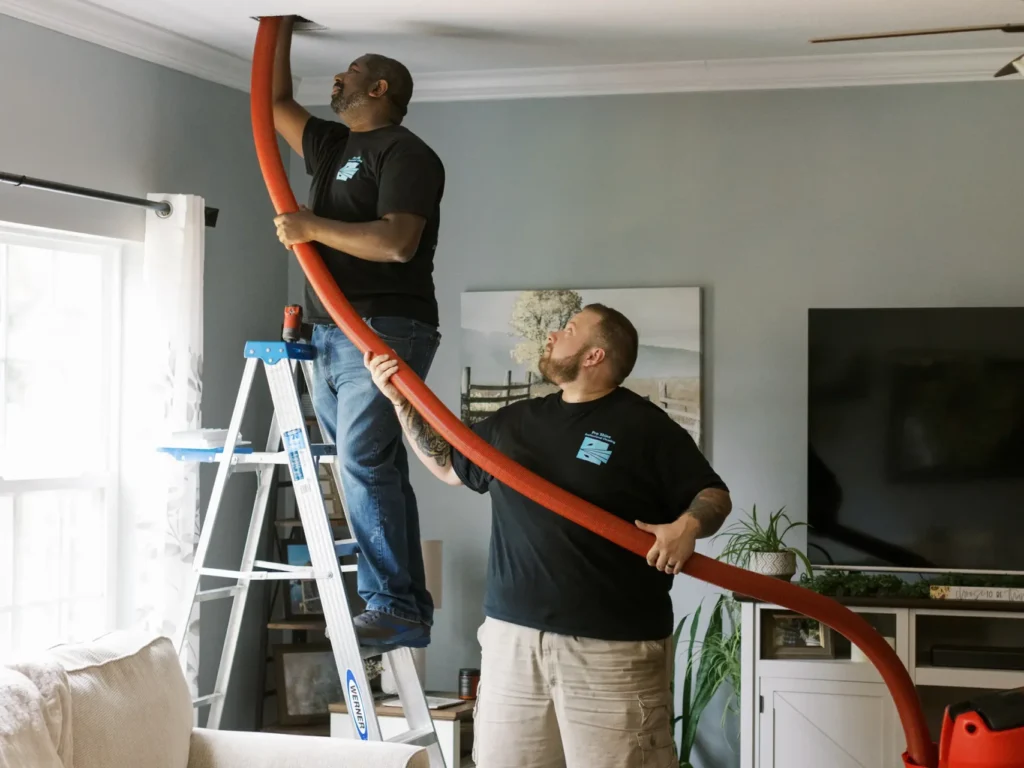
DIY methods have very real limits. They cannot reach inside your ductwork, penetrate deep into subflooring seams, or neutralize allergens embedded in the tight, inaccessible spaces distributed throughout your home. Professional air duct cleaning removes accumulated dander and debris from inside your HVAC system, cutting off one of the primary pathways by which allergens travel and spread from room to room.
For an even higher level of whole-home protection, a professional treatment that uses a fine antimicrobial mist to reach every corner of your indoor environment, including areas that vacuums and mops simply cannot access, can neutralize allergens at a level no surface cleaning approach can match. Families who combine consistent DIY habits with periodic professional cleaning see the strongest and most lasting results when it comes to meaningful, long-term allergy relief.
Start Breathing Easier in Your Pet-Friendly Home
Living with pets does not have to mean living with constant sneezing, itchy eyes, or compromised indoor air quality. The right combination of consistent cleaning habits, smart tools, and professional support makes a genuine and lasting difference for your family’s daily comfort and overall health. Pet dander is invisible, persistent, and finds its way into places most homeowners never think to clean, but with the right approach it is absolutely manageable.
At Pro Shine Professional Cleaning, we help homeowners throughout Bluffton and surrounding areas breathe easier every day with expert air duct cleaning, allergen reduction treatments, and whole-home indoor air quality solutions tailored to the specific needs of pet-owning families. Whether you are dealing with a mild dander problem or severe household allergies, our team is ready to help you create a genuinely healthier home from the inside out. Contact us today to schedule your service and take the first real step toward cleaner air for everyone in your home.

Clean Air Is Just A Call Away!